
12 Best Places to Visit in Costa Brava Spain in 2026


Planning a trip to Costa Brava and looking for the best places to visit? You’re in the right place!
I live in Barcelona and have spent a lot of time exploring Costa Brava, including its hidden coves and seaside towns that feel totally different from the city.
In this guide, I’m sharing the best places to visit in Costa Brava, whether you’re planning a day trip or a longer stay.
This should give you a clear idea of where to go and how to plan your trip along this stunning part of Spain’s coast.
Best Places to Visit in Costa Brava
These are the best places to go in Costa Brava:
🌊 What is Costa Brava? Costa Brava, meaning “rugged coast,” is a coastal region in northeastern Spain that stretches from just north of Barcelona to the French border. It’s known for its rocky coastline, clear water, small seaside towns, and the Camí de Ronda coastal walking path that connects many of them.
1. Cadaqués

Starting at the top of the list has to be Cadaqués, located at the very northern tip of Costa Brava.
It’s one of the prettiest towns in Spain, with whitewashed buildings, bright blue water, and views that feel straight out of a postcard.
The town is also closely tied to Salvador Dalí, who lived just outside in Portlligat, and you can visit his former home if you’re interested in his work.
While you’re here, don’t miss Cap de Creus, a rugged coastal area with dramatic landscapes and scenic viewpoints.
Cadaqués is about a 2.5 hour drive from Barcelona and the only way in is via a winding mountain road, so having a rental car is the best option.
It takes a bit more effort to get here, but that’s part of what helps it feel less crowded than other spots along the coast.
2. Tossa de Mar


Another stunning town along the Costa Brava is Tossa de Mar, which is best known for its medieval castle overlooking the sea.
This is one of the best castles near Barcelona, and what makes it unique is that you’ll find restaurants, bars, and small shops inside the old castle walls.
The main beach here is wide and more touristy, but if you walk around the castle, you’ll find smaller coves that feel more relaxed, including one you can reach through a small opening in the castle wall.
If you’re up for something more active, you can walk part of the Camí de Ronda hiking trails or try snorkeling, kayaking, scuba diving, or a boat trip along the coast.
It’s also a great option for a day trip from Barcelona. You can read my full Tossa de Mar day trip guide for all the details!
3. Blanes
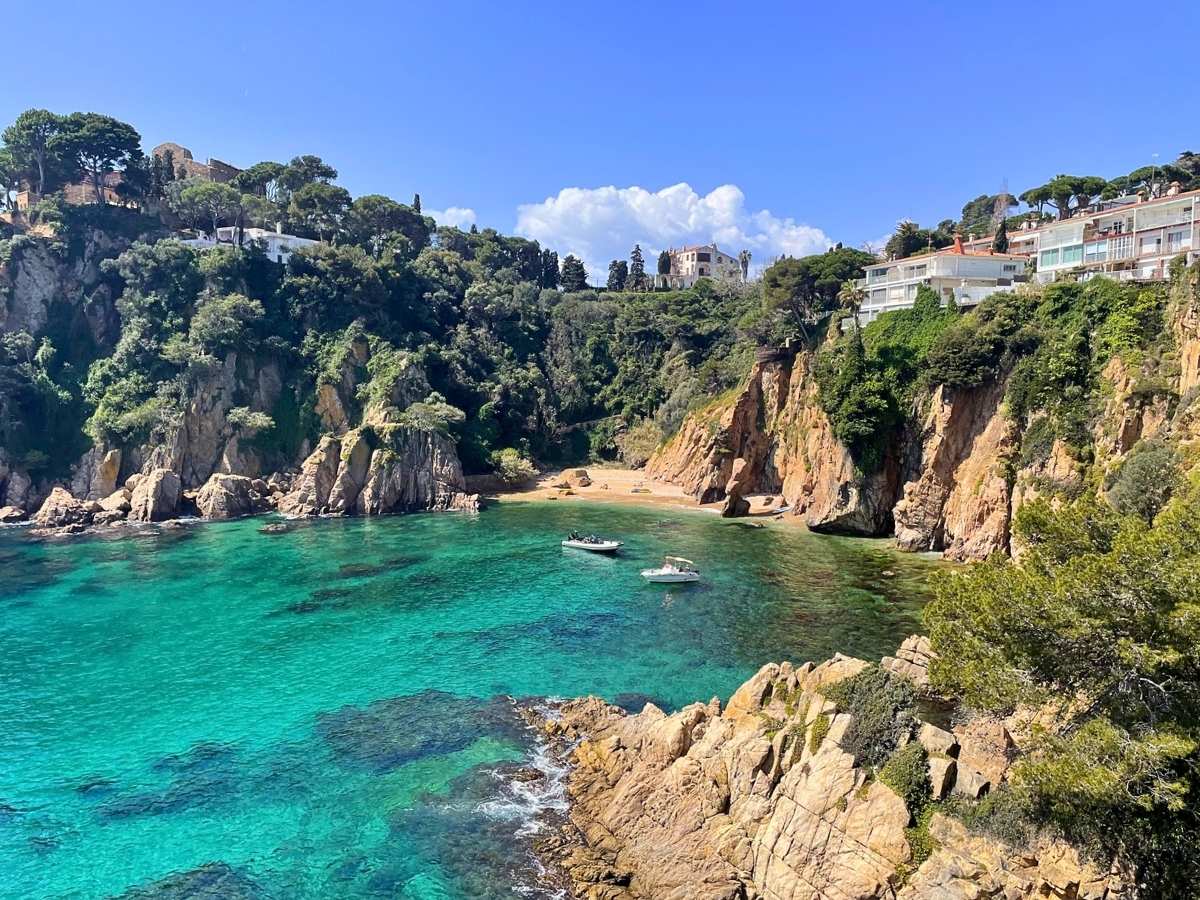


Next up is Blanes, which is technically the first town in Costa Brava and the closest to Barcelona.
It’s one of the best day trips from Barcelona since you can get there by train, which makes it really convenient if you don’t have a car.
Just keep in mind that the train station is kind of far from the beach.
Blanes kind of became TikTok famous for the viewpoint at the Marimurtra Botanical Gardens, where you’ll find a pavilion overlooking bright turquoise water and rocky cliffs.
I will admit it’s stunning!
Aside from the gardens, it has everything you’d expect from a beach town, including long stretches of sand and a lively waterfront with restaurants and bars.
You can read my full Blanes day trip guide for all the details!
4. Begur
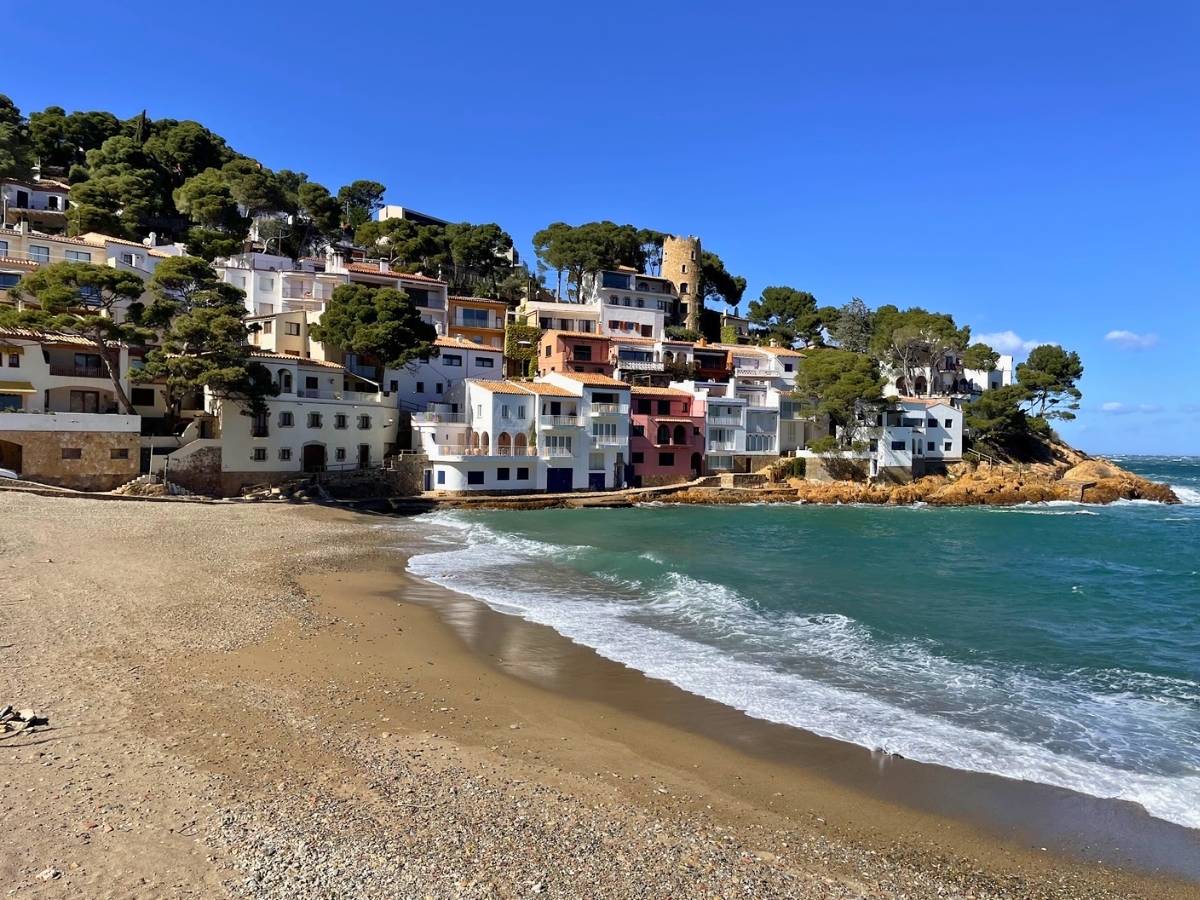
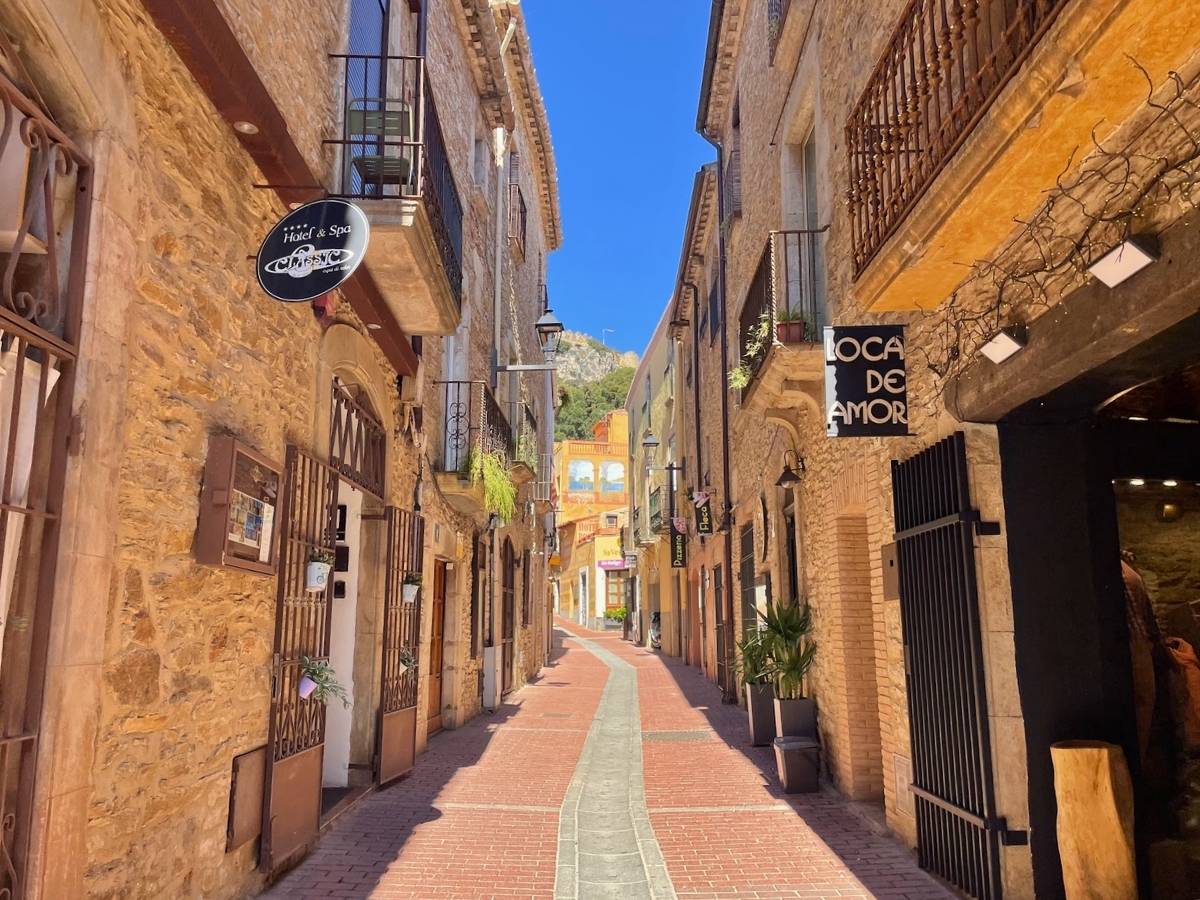
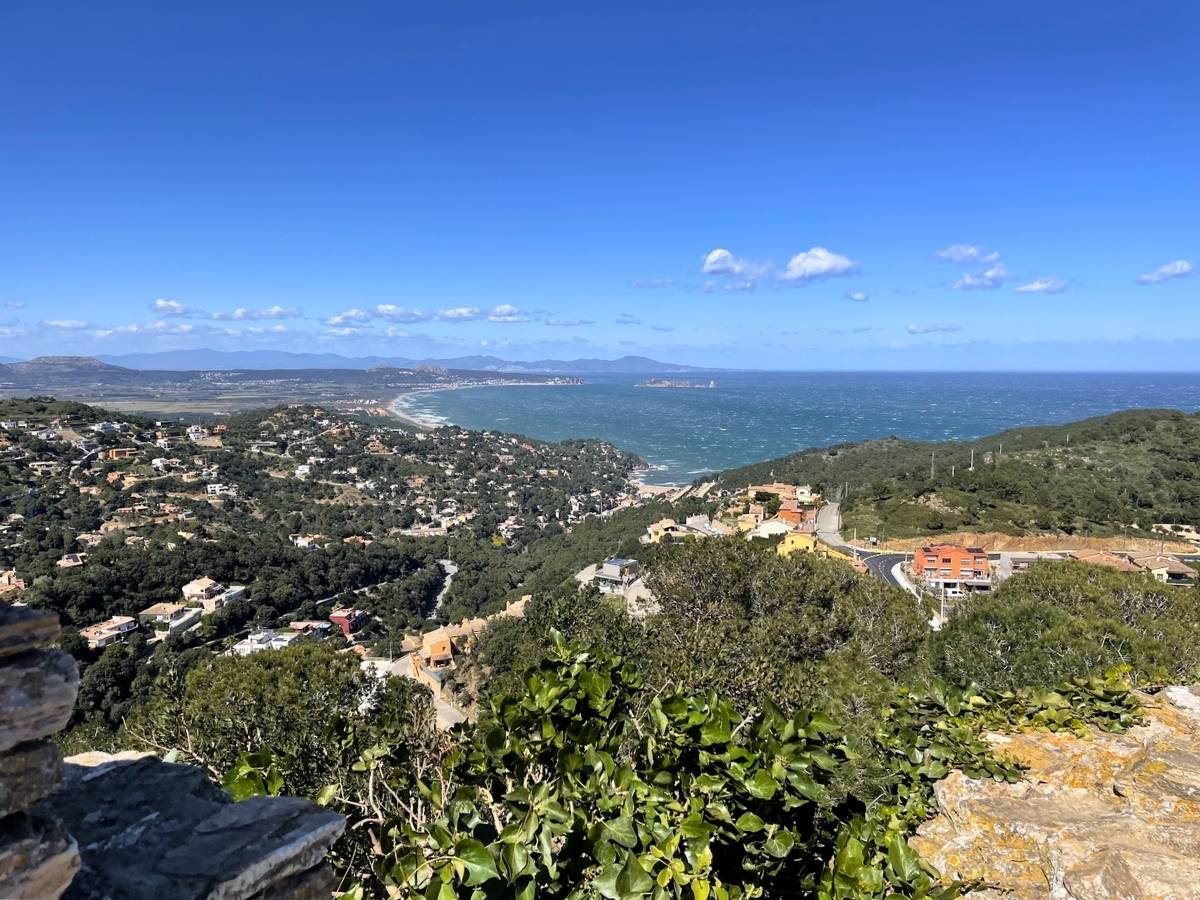
Another spot in Costa Brava you don’t want to miss is Begur, which is about a 1.5 hour drive from Barcelona and a great midway point along the Costa Brava.
It’s a really good base if you’re staying overnight. I recently stayed at La Bionda Begur which is the cutest boutique hotel that I’m still dreaming about!
Now, it’s important to know that Begur is a hilltop town about a 10-minute drive from the coast, so you can see the water but you’re not directly on it.
The town center is very walkable with restaurants, shops, and historic stone towers, and you can climb up to Begur Castle for great panoramic views.
You can also head down to some of the best beaches and coves nearby like Sa Tuna, Aiguablava, Sa Riera, and Platja Fonda.
Since the surrounding area is so hilly, having a car will make getting around much easier.
5. Calella de Palafrugell


One other spot I love in Costa Brava is Calella de Palafrugell, which is a small seaside town that feels very under the radar.
I actually took my parents here when they visited, and even though it was raining that day, it was still such a beautiful place to walk around.
The views here are what stand out most, with white buildings lining the coast and fishing boats bobbing in the bay.
There are several restaurants right along the water where you can sit down for seafood and local dishes with a great view.
You’ll also find a few classic hotels overlooking the sea, which makes it a really nice option for a relaxing getaway.
Plus, the Cap de Roig botanical gardens are just outside of town.
6. Llafranc


Right next to Calella de Palafrugell is Llafranc, and you can walk between the two in about 10 to 12 minutes.
Just be aware there are some very steep stairs along the way, but the views make it worth it!
Llafranc definitely feels like a hidden gem, with a small beach, houses built into the surrounding cliffs, and even more fishing boats bobbing in the bay.
It’s quieter and more low key compared to nearby Costa Brava towns. And I can only imagine the views on a sunny day!
My parents and I stopped at a seaside restaurant here for lunch, and it felt like such a classic Spain experience.
7. Tamariu

One other great spot in the same area is Tamariu, located near Calella de Palafrugell and Llafranc.
This small coastal village is known for its beautiful coves and clear turquoise water, which makes it a great place for swimming and relaxing by the sea.
The main beach is set in a sheltered bay with a laid back feel and a handful of restaurants right along the waterfront.
It’s a bit more low key compared to other towns in Costa Brava nearby.
Tamariu isn’t the easiest place to reach by public transportation, so it’s best to visit if you have a car.
8. Pals

Another unique stop in the Costa Brava region is Pals, which is an inland town rather than a coastal one.
This medieval village is known for its well preserved stone buildings, narrow streets, and historic feel as you walk through the old town.
It’s super photogenic, with bright flowers set against the stone walls and views looking out over the surrounding countryside.
You can visit Torre de les Hores, one of the main landmarks, along with the remains of the old castle walls.
It’s a nice change of pace from the beach towns and a good option if you’re visiting in the off season.
9. Peratallada

Peratallada is another inland village worth visiting and it’s only about a 10-minute drive from Pals.
It has a very similar vibe with stone buildings, narrow streets, and flowers lining the walls, but it’s even smaller and easy to explore in under an hour.
The whole village is built around a medieval castle and surrounded by old defensive walls, so it really feels like stepping back in time.
There are restaurants and small shops spread throughout, so it’s a great place to stop for lunch or just wander around for a bit.
Be sure to check out Peratallada Castle while you’re there.
10. Sant Feliu de Guixols

Located closer to the southern end of Costa Brava, Sant Feliu de Guíxols is where things start to feel a bit more developed, but it still has a lot of charm.
The town has a nice beachfront lined with restaurants, along with a port area that’s great for a walk.
You’ll also find a few rocky viewpoints nearby with pretty views.
One of the main highlights is the Monastery of Sant Feliu de Guíxols, a historic complex right in town.
If you have extra time, you can also walk part of the Camí de Ronda or relax at the beach for a more laid back stop along the coast.
11. Platja d’Aro


I’ll be honest, Platja d’Aro is a lot more touristy and built up compared to some of the other towns on this list, and the overall look isn’t as picturesque.
But, it does have a really long stretch of sandy beachfront, so if you’re looking for an easy, swimmable beach, this is a good option.
I actually chose to stay here with my parents because my dad has some mobility issues, and the area is much flatter and easier to get around.
It’s a popular resort town, so it’s very built up with restaurants, shops, and nightlife. I was very surprised to see chain restaurants and stores like McDonald’s and Mango.
But if you head just outside town along the Camí de Ronda, you’ll come across more scenic coves like Cala Sa Cova and Cala del Pi that are worth checking out.
12. Lloret de Mar


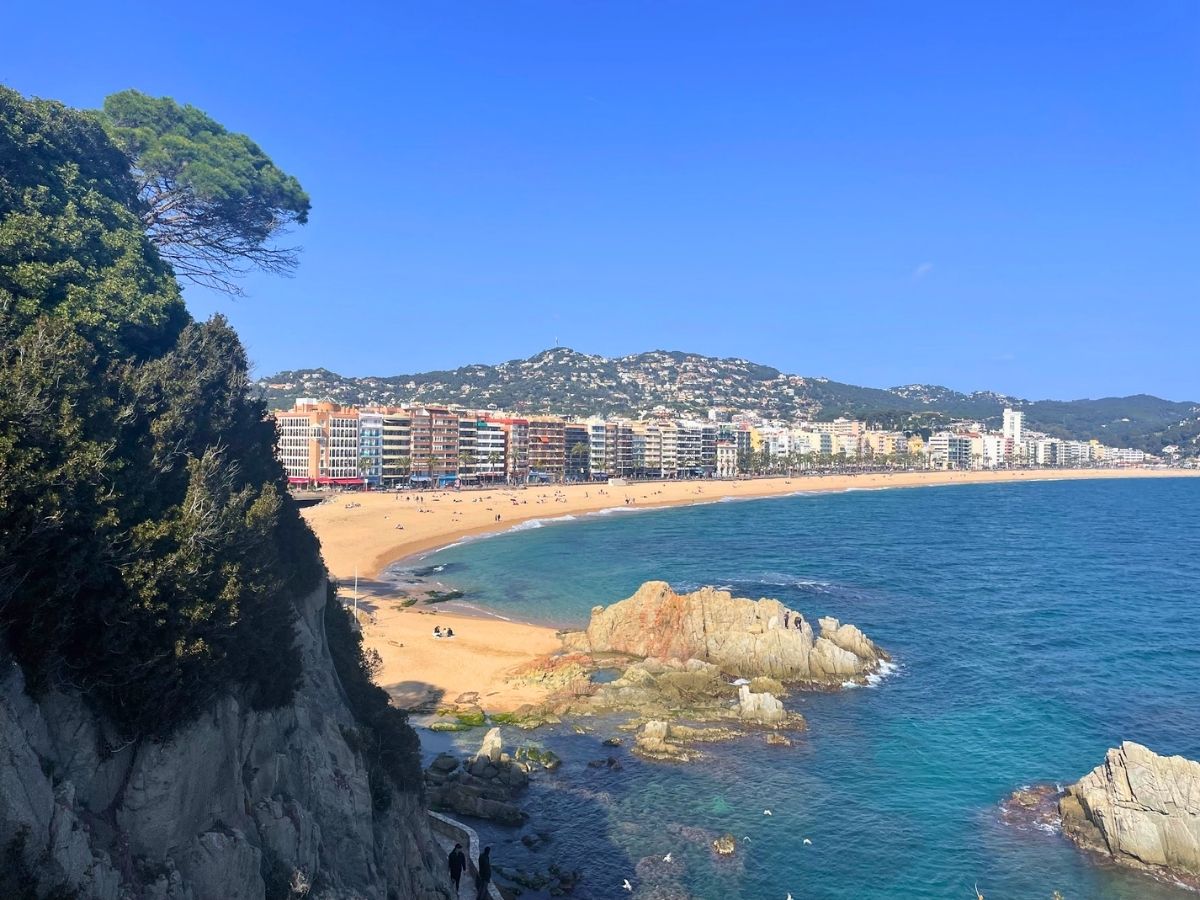
Located just before Tossa de Mar, Lloret de Mar is another town that’s more built up and definitely known for its party scene, but I was actually pleasantly surprised after visiting.
If you stick to the coastline, it’s a really beautiful place with long sandy beaches, scenic viewpoints, and some great coastal walks.
You can visit the Santa Clotilde Gardens, check out both Castell de Sant Joan and Castell d’en Plaja, or walk part of the Camí de Ronda for views over hidden coves.
It’s a good option for a day trip from Barcelona, or a place to stay if you want more nightlife and things going on in the evenings.
How to Get Around in Costa Brava
Getting around Costa Brava can be a bit tricky depending on where you want to go, so you’ll definitely want to plan ahead.
In general, renting a car is the easiest option since many of the smaller towns and coves aren’t well connected by public transportation, and some areas are very hilly.
However, there are still a few other options depending on your itinerary.
Rental Car
If you can, I highly recommend renting a car.
It gives you the flexibility to explore multiple towns, stop at viewpoints, and reach some of the more remote beaches that would be difficult to access otherwise.
This is especially helpful if you’re staying overnight and want to move around at your own pace.
Trains
The train options are pretty limited along the coast.
The R1 (Rodalies) line from Barcelona only goes as far as Blanes, which is technically the first town in Costa Brava.
You can also take high-speed trains to cities like Girona and Figueres, but from there you’ll still need a car or bus to reach the coastal towns.

Long Distance Buses
Moventis run buses from Barcelona to several towns in Costa Brava, including Sant Feliu de Guíxols, Platja d’Aro, Begur, Pals, Roses, and Cadaqués.
Most buses leave from Estació del Nord in Barcelona, and you can book tickets on the Moventis website or through Omio.
This is a good option if you don’t want to drive, but routes and schedules can be limited.

Local Buses
There are also local buses that connect nearby towns, but these tend to run more frequently during peak season.
If you’re traveling in the off season, options may be limited, so it’s best to check Google Maps for the most up to date routes and schedules.

Guided Tours
If you don’t want to deal with transportation logistics, guided tours are also an easy way to visit Costa Brava.
Most tours include round trip transportation, a set itinerary, and stops at a few of the main towns or viewpoints.
This can be a good option if you’re short on time or prefer having everything planned out for you.
Final Thoughts: Where to Go in Costa Brava
I hope this guide has helped you narrow down the best cities to visit in Costa Brava and given you a better idea of how to plan your trip!
From coastal towns like Cadaqués and Tossa de Mar to inland villages like Pals and Peratallada, there’s a really nice mix of places to explore depending on what you’re looking for.
If you want the most flexibility and plan to visit multiple places, renting a car will make a big difference, especially since many of these towns aren’t well connected by public transportation.
Enjoy your time in Costa Brava!
READ NEXT:
