
15 Common Mistakes Tourists Make When Visiting Spain


Planning a trip to Spain? You’re in for an amazing trip!
From incredible food and historic cities to beautiful beaches and mountain villages, there’s so much to see and do.
But if it’s your first time visiting, there are a few common mistakes that can make your trip more stressful than it needs to be.
The good news is that most of them are really easy to avoid with a little planning.
I live in Spain, and I see tourists make these same mistakes all the time. Here are 15 common mistakes to avoid so you can have a smoother, more enjoyable trip.
1. Not Booking Tickets for Popular Attractions in Advance
Spain is home to some of Europe’s most visited attractions. I’m talking about the Alhambra in Granada, La Sagrada Familia and Park Güell in Barcelona, and the Royal Palace in Madrid.
Many of these sites require timed-entry tickets, and they often sell out days or even weeks in advance.
To avoid missing out, check the official websites and book your tickets several weeks ahead of time, especially during the high season.
Showing up last minute and hoping to get in usually isn’t an option.

2. Not Using a Phone Leash or Anti-Theft Gear
While Spain is generally safe, pickpocketing is unfortunately common in major cities–and Barcelona is especially notorious for it.
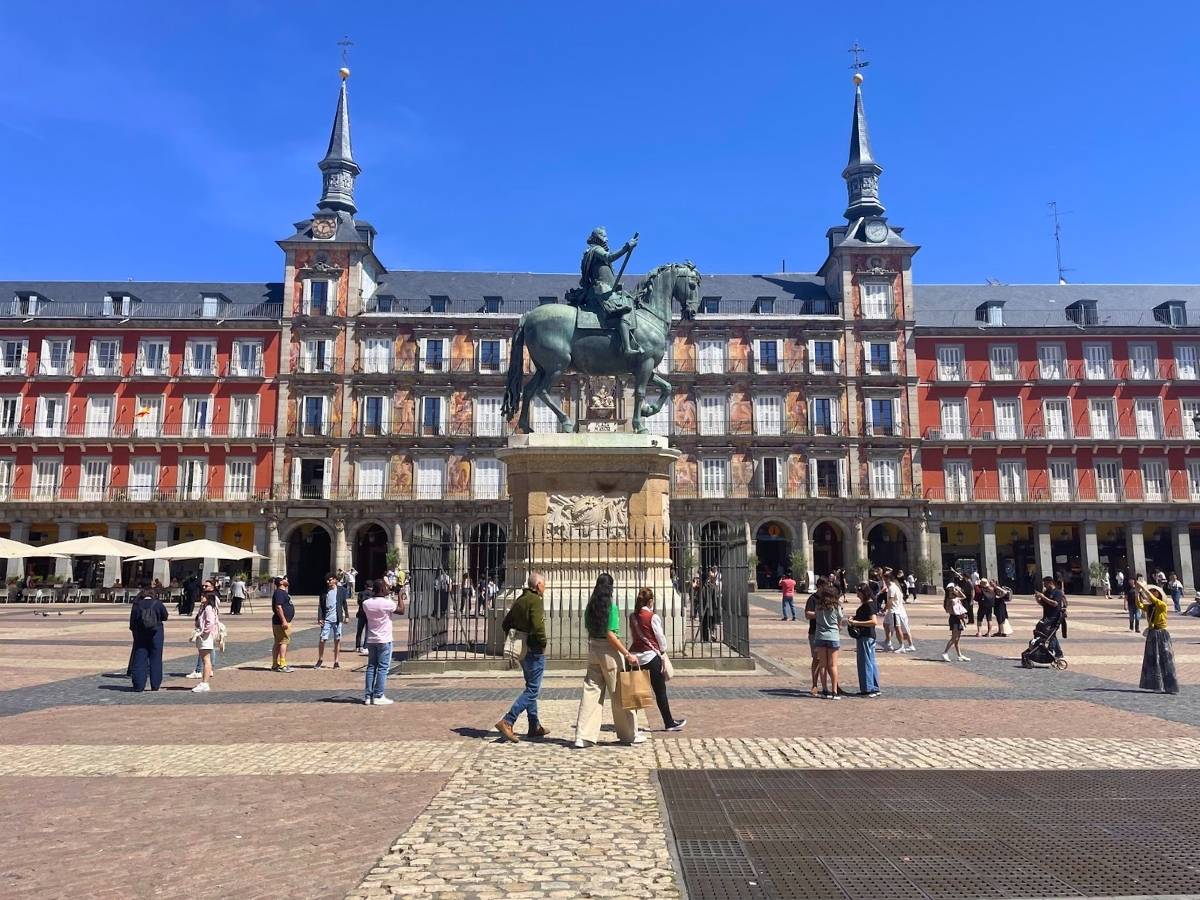
Tourist-heavy areas like metro stations, crowded plazas, and major attractions are all hotspots for petty theft.
Using a phone leash, crossbody bag, or anti-theft backpack can help keep your belongings secure and give you peace of mind while exploring.
Anti-theft zippers are also an inexpensive safety tool to add an extra layer of security to your purse or backpack.
These safety tools are small investments that can save you from the hassle of dealing with a lost phone or stolen wallet.
Related Reading: 15 Must-Know Tips to Avoid Pickpocketing in Barcelona

3. Ordering Paella for Dinner
Paella may be one of Spain’s most iconic dishes, but locals traditionally eat it for lunch, not dinner.
Many restaurants that serve paella at night are geared toward tourists and often cut corners with quality.
If you want the real deal, enjoy paella as a leisurely lunch, ideally on a weekend.
It’s also a regional specialty that’s best eaten in Valencia or coastal areas where it’s freshly prepared.

4. Eating at Restaurants with Photo Menus
Photo menus outside of restaurants are usually a sign that the place caters mainly to tourists–and often at the expense of food quality.
While not every place with photos is a bad choice, it’s generally a better idea to seek out menus in Spanish or spots where locals are dining.
You’ll often be rewarded with better food, lower prices, and a more authentic experience.
It’s also a good idea to look for restaurants offering a “menú del día” (a fixed-price lunch menu) often written on a chalkboard outside.

5. Eating Dinner Too Early
In Spain, dinner typically starts around 9 or 10PM. If you show up at a restaurant at 6PM, you might find the kitchen closed or the place completely empty.
Locals usually have a light bite or some tapas at night, especially after having a big lunch earlier in the day.
To really get into the Spanish rhythm, consider shifting your daily schedule: eat a late breakfast, a hearty lunch around 2PM, and then a light dinner later on.

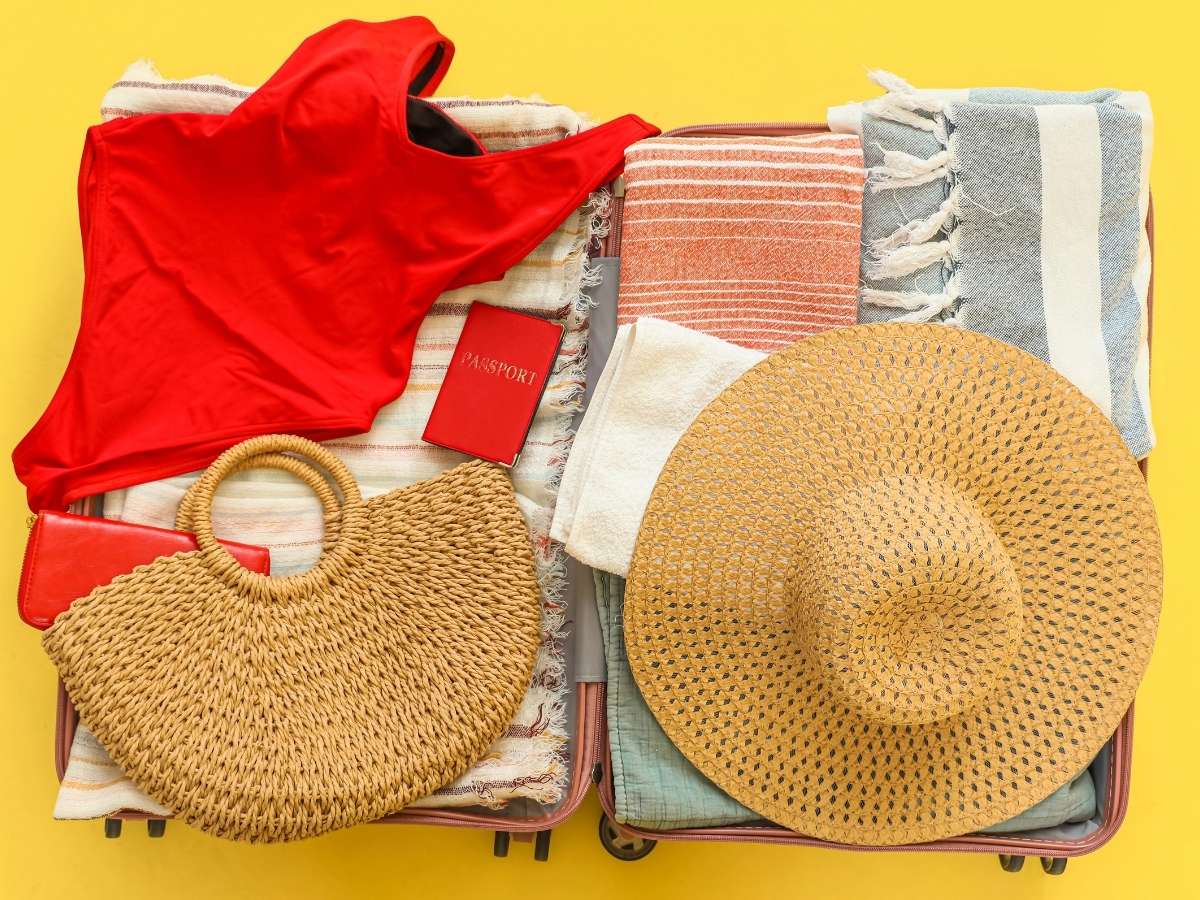
6. Not Packing Layers
Spain may be sunny, but its climate varies widely depending on the region and season.
You might have chilly mornings, warm afternoons, and breezy evenings–sometimes all in the same day.
Whether you’re exploring Madrid in the spring, Seville in the fall, or San Sebastián in the summer, adding layers to your Spain packing list is essential.
A light jacket or sweater can make a big difference when the temperature drops unexpectedly or when you go from sun to shade.
7. Only Eating in Tourist Areas
Many travelers stick to restaurants right next to major landmarks, but these spots are usually tourist traps and often charge more and serve mediocre food.
Instead, open up the Google Maps app, tap the “Restaurants” button under the search bar and filter for places with a rating of 4.5 or higher and a good number of reviews. That’s usually a good sign of quality and consistency.
Better yet, venture into neighborhoods where locals live. You’re more likely to stumble upon authentic food without the tourist markup.
8. Not Using Public Transportation
Spain has a great public transportation system, especially in bigger cities like Madrid, Barcelona, Valencia, and Seville.
Tourists often rely too heavily on taxis or rideshares, but metros, buses, and trains are affordable, clean, and convenient.
Consider buying a multi-day transport card or travel card, which not only makes it easier to get around, but often includes discounts or free entry to major attractions.
Related Reading: How to Get Around in Barcelona

9. Overtipping at Restaurants
Tipping in Spain is much more low-key than in places like the United States or Canada, mainly because servers are usually paid a living wage.
Leaving 15-20% isn’t expected–in fact, it’s uncommon.
If you had great service, leaving a euro or two in cash is a nice gesture, but not required.
And when paying by credit card, there’s usually no option to add a tip unless you ask your server before they run the payment.
To make sure your tip actually goes to the person who served you, cash is always the better option.

10. Only Drinking Sangria
Yes, sangria is popular with tourists, and you’ll be able to find it in most cities in Spain.
But locals tend to order other drinks like tinto de verano (red wine with lemon soda), vermut (vermouth), or cava (Spanish sparkling wine).
If you’re in the north of Spain, sidra (cider) is also a popular drink, especially in Asturias and the Basque Country.
Trying local drinks in Spain can help you explore the country’s regional specialties beyond the usual sangria pitcher.

11. Assuming Every Region Is the Same
Assuming the entire country follows the same customs is another one of the most common Spain tourist mistakes.
Spain is incredibly diverse, and each region can have its own language, traditions, and culinary specialties.
What you experience in Madrid will feel wildly different from places like Andalusia, the Basque Country, or Catalonia (where Barcelona is located).
Treat each region as its own unique destination rather than assuming the entire country follows one cultural script.

12. Not Learning Basic Spanish Phrases
Even though English is spoken in many touristy areas, knowing a few basic Spanish phrases goes a long way.
Simple greetings like “hola” (hello), “por favor” (please), and “gracias” (thank you) are always appreciated.
It also helps when ordering food, asking for directions, taking taxis, or navigating small towns where English isn’t widely spoken.
It’s also important to know that Spain has several regional languages, including Catalan (in Catalonia), Basque (in the Basque Country), and Galician (in Galicia).
While Spanish is spoken almost everywhere, learning a few words in the regional language is a nice gesture of cultural respect.
🌴 Check out my Essential Spanish Phrases for Traveling in Spain eBook to start learning the basic Spanish phrases for your next trip!
13. Expecting Free Water at Restaurants
Unlike in many countries, restaurants in Spain usually don’t serve free tap water by default.
And if you ask for water, they’ll typically bring bottled water and charge you for it.
If you want tap water, you’ll need to specifically ask for “agua del grifo,” and even then, some places may refuse.
It’s always good to know what to expect so you’re not caught off guard when the bill comes.

14. Not Respecting Siesta Hours
In many parts of Spain, especially smaller towns, shops and some restaurants close in the afternoon for siesta–typically from around 2PM to 5PM.
Tourists often get frustrated when they show up to find businesses closed during this time.
Before heading out, check the opening hours on Google Maps–it’s not always 100% accurate, but it can give you a general idea of whether a place takes a midday break.

15. Expecting Drip Coffee
If you’re used to ordering a large drip coffee every morning, you might be surprised by Spain’s espresso culture.
Most cafes serve espresso-based drinks like café solo (a shot of espresso), café con leche (half espresso, half milk), or cortado (espresso with a splash of milk).
If you’re craving something similar to drip coffee, you can order an Americano, but don’t expect to find giant takeaway cups everywhere.


