
Córdoba Spain 2 Day Itinerary: Top Sights, Food, & More

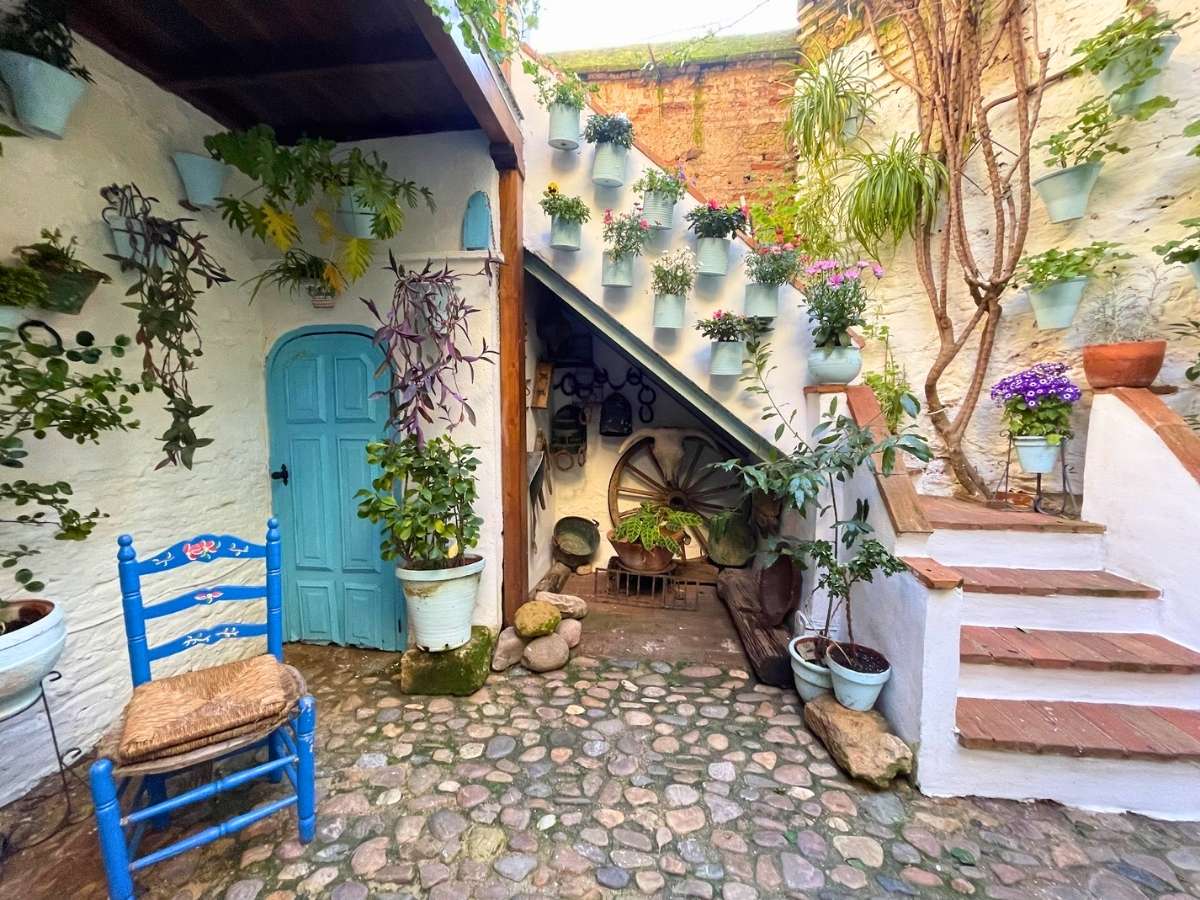

Trying to plan the perfect Córdoba Spain 2 day itinerary? You’re in the right place!
I live in Spain and recently spent time exploring Córdoba’s historic streets, major landmarks, and local food spots to figure out the best way to experience the city.
Córdoba may be smaller than other Andalusian destinations, but it still has tons of history, stunning streets and patios, and some incredible local cuisine.
In this complete 2 day Córdoba itinerary, I’ll show you how to plan your time so you can see all the main highlights without feeling rushed.
Here’s how to spend two amazing days in Córdoba, Spain.
Córdoba Spain 2 Day Itinerary
Here’s a breakdown of what to do in Córdoba Spain in 2 days, including the top attractions, food stops, and a few local favorites.
Day 1: Mezquita, Patios, & Old Town Exploration
Spend your first day exploring Córdoba’s historic center, visiting its most famous landmarks, and ending the evening with a memorable local experience.
Córdoba Day 1 Itinerary at a Glance:
- Visit the Mezquita Cathedral
- Climb the Bell Tower
- Take a patio tour in San Basilio
- Walk across the Roman Bridge
- Climb the Calahorra Tower
- Have lunch at Casa Pepe de la Judería
- Explore the Jewish Quarter
- Try traditional Córdoba cake
- Watch a flamenco performance or join a food tour
Visit the Mezquita Cathedral
Start your day in Córdoba with a visit to the Mezquita Cathedral, the city’s most iconic landmark and one of the most impressive monuments in Spain.
Originally constructed as a mosque before being transformed into a Catholic cathedral, the building has so many layers of history and architectural styles.
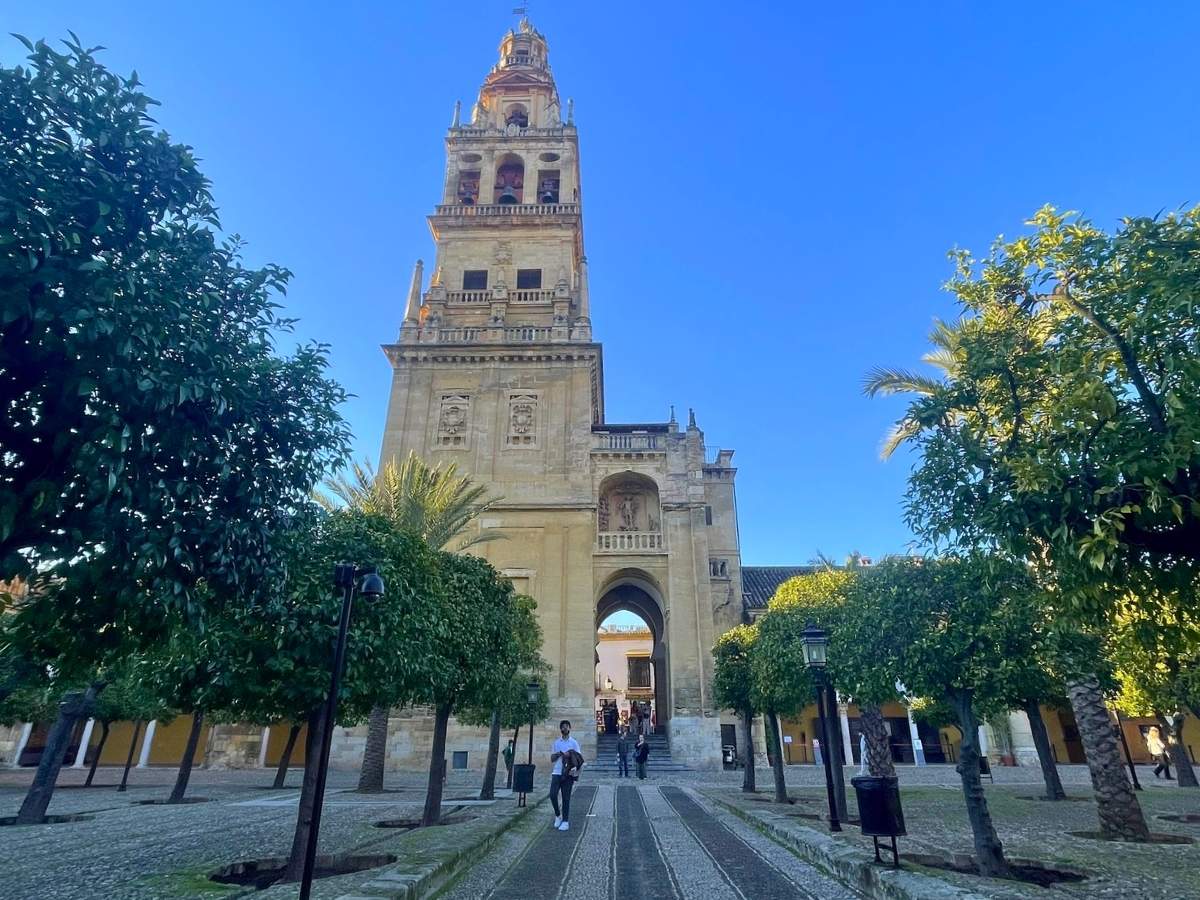
Before entering, you’ll pass through the Patio de los Naranjos, a peaceful courtyard lined with orange trees.
Inside, the red and white horseshoe arches seem endless, and it almost feels like the cathedral was just plopped right into the center of the former mosque.
Make sure to book your entrance tickets in advance on the official website.
You can also book a guided tour if you want deeper context into its history.
I’d recommend booking your tickets for right when it opens at 10:00am to beat the crowds.


Climb the Bell Tower
After visiting the Mosque cathedral, head over to the Mezquita Bell Tower, which sits on the opposite side of the courtyard.
This requires a separate ticket to go to the top and isn’t included with your cathedral entry.
Tickets cost about 3€ and can be booked online here.
They do have a timed entry, so I’d suggest booking a slot about 1-1.5 hours after your cathedral visit.
It’s not a guided tour so you’ll simply climb the stairs to the top, see the bells up close, and enjoy amazing views over Córdoba’s rooftops.


Take a patio tour in San Basilio
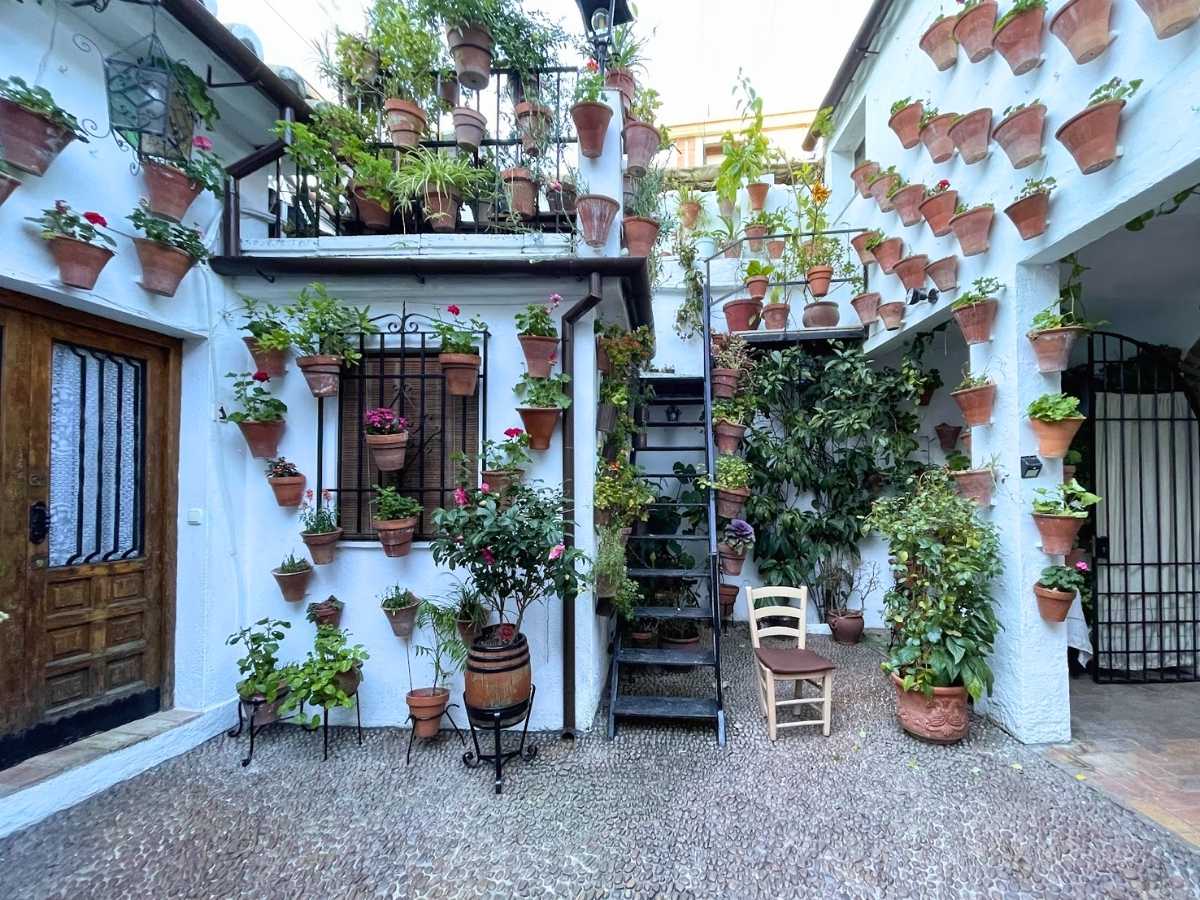
Next, walk over to the nearby San Basilio neighborhood to see Córdoba’s famous patios.
The city is known for its annual Patio Festival held each May, when residents open their flower-filled courtyards for a citywide competition.
But even if you’re visiting outside of festival season, several patios remain open to visitors throughout the year.
I followed the official Ruta de Patios route, which gives access to 5 different patios for about 6.50€.
Tickets can be purchased online here or at the small ticket office in the neighborhood.
Visiting hours are typically from 10am to 2pm and then again from 5pm-7/8pm.
Each patio is privately owned and decorated with colorful flower pots, fountains, and greenery.
They are all stunning, and this ended up being one of my favorite experiences in Córdoba.

Walk across the Roman Bridge
From San Basilio, make your way back toward the river and walk across the Roman Bridge, which is another one of Córdoba’s top attractions.
You’ll pass through the Puerta del Puente before stepping onto the pedestrian-only bridge that stretches over the Guadalquivir River.
The views looking back toward the Mezquita and the old town are some of the best in the city.
It’s also a really lively area, and you’ll probably see musicians or street performers along the way.


Climb the Calahorra Tower
Once you reach the other side of the bridge, head into the Calahorra Tower at the end.
Entry costs around 4.50€ and includes access to a small museum with an audioguide and some surprisingly cool 3D models of landmarks like the Mezquita and even the Alhambra in Granada.
The exhibits are interesting enough, but honestly the main reason to visit is the view from the top.
Climbing up gives you one of the best photo spots overlooking the Roman Bridge and Córdoba skyline. Plan about 30 to 45 minutes here.


Have lunch at Casa Pepe de la Judería
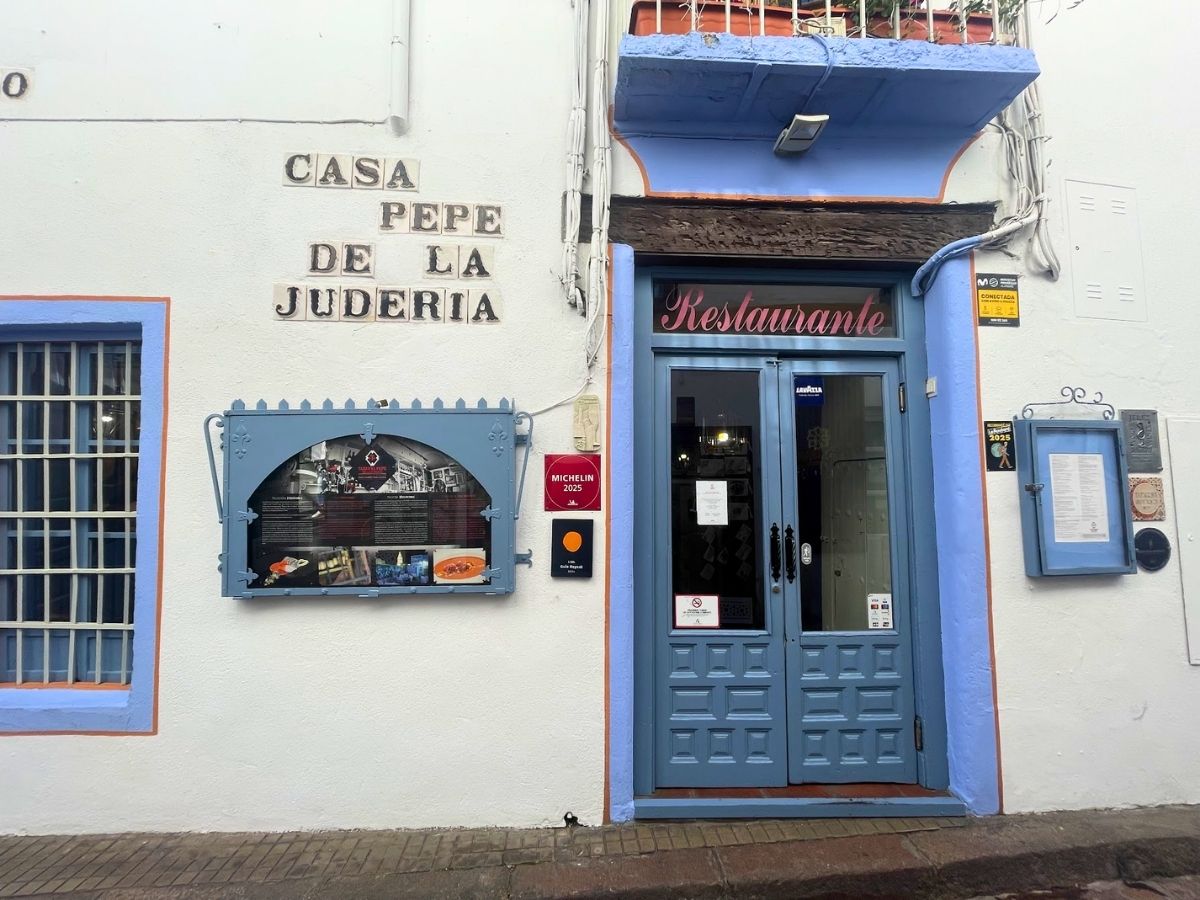
After a morning of sightseeing, head back into the Jewish Quarter for lunch at Casa Pepe de la Judería.
This Michelin-recommended restaurant serves traditional Andalusian food in a really cute historic setting.
I ate here during my visit and loved everything I ordered! And I thought prices were pretty reasonable for the quality.
Some of their specialties are the salmorejo (cold tomato soup), berenjenas (fried eggplants) with cane sugar, and the rabo de toro (oxtail).
Just make sure to make a reservation since it’s a popular spot and it fills up quickly.
I booked a reservation at 2:00pm, which works well for this itinerary.


Explore the Jewish Quarter
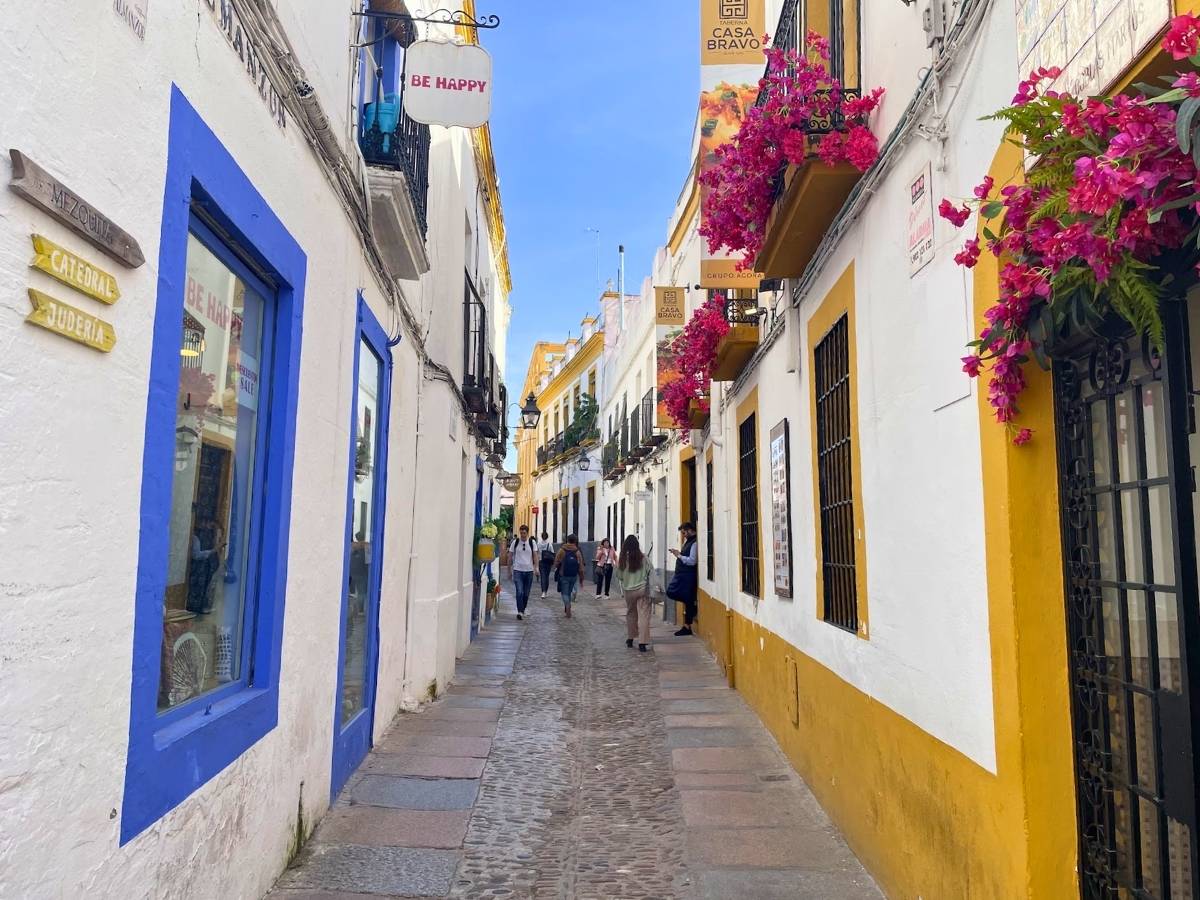
After lunch, spend some time wandering around the Jewish Quarter, also called La Judería.
This encompasses the historic center of Córdoba, and is honestly one of the prettiest areas of the city.
It feels like a maze of narrow cobblestone streets lined with white and yellow buildings, flower pots, and small plazas.
You’ll come across shops, hidden courtyards, and photo spots at pretty much every turn.
These were a few of my favorite stops in the Jewish Quarter:
- Calleja de las Flores: This narrow alley is a somewhat secret photo spot in Córdoba, lined with bright blue flower pots and ending with a perfectly framed view of the Mezquita Bell Tower.
- Zoco Municipal de Artesanía: This small courtyard market sells handmade leather goods, ceramics, jewelry, and other crafts created by local Córdoba artisans.
- Simplemente Córdoba: This is a very cute shop that sells stylish notebooks, handbags, jewelry, and thoughtfully designed souvenirs from Córdoba.


Try traditional Córdoba cake
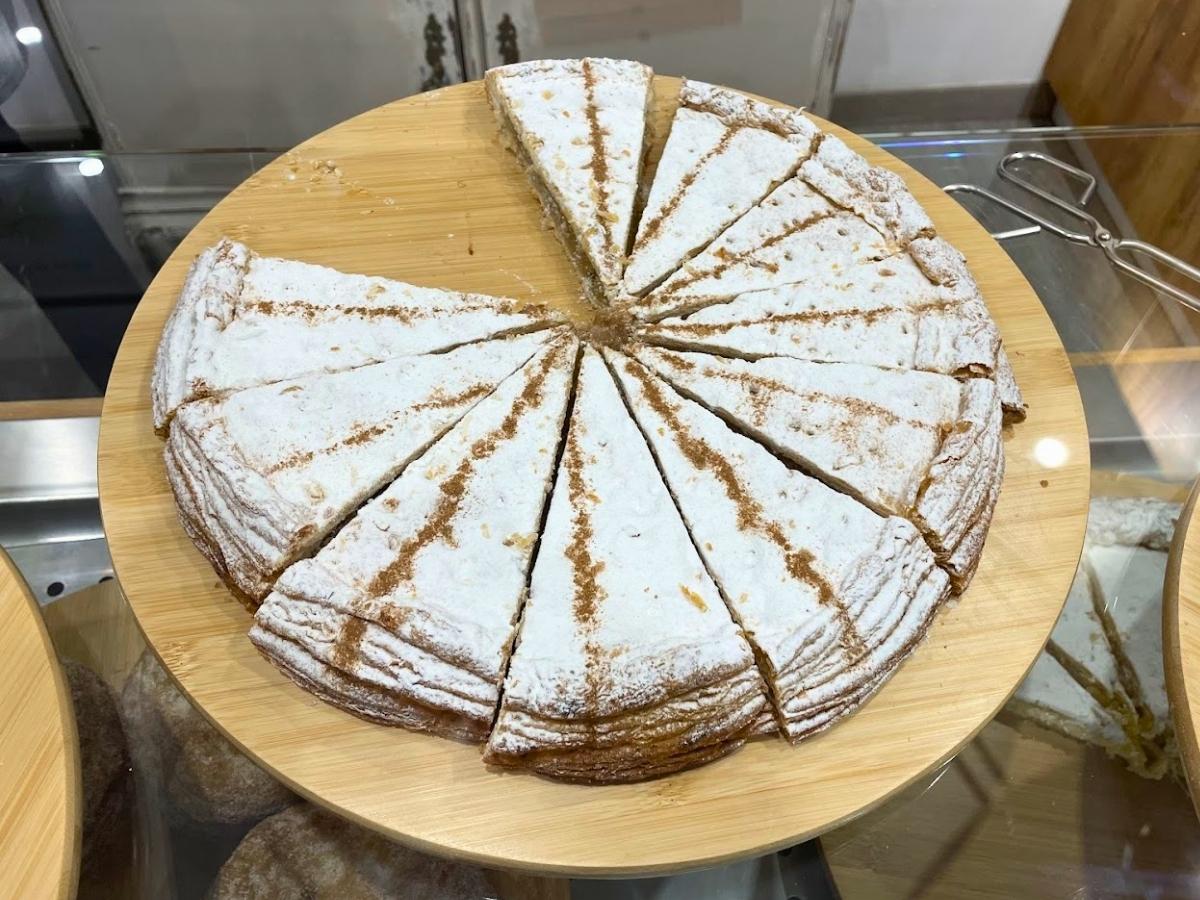
By late afternoon, take a break at a local cafe or bakery to try “pastel cordobés”, which is Córdoba’s traditional cake.
The classic version is made with flaky pastry filled with sweet pumpkin jam and topped with powdered sugar and cinnamon.
I tried mine at El Pastel Cordobés and really liked it, but you’ll find it at bakeries all over the city.
There are a few different variations but I’d recommend trying the “clásico” version since it’s the most traditional one.
Watch a flamenco performance or join a food tour
To end your first day in Córdoba, I recommend either seeing a flamenco show or joining an evening food tour.
Watching a flamenco performance is one of the most classic experiences you can have in Andalusia.
I saw a performance at Tablao Flamenco El Cardenal and it ended up being one of my favorites in Spain.
If you’d rather focus on food, an evening food tour is a great way to try several local dishes without stressing about where to eat.
Both options are a fun way to experience Córdoba’s culture and atmosphere in the evening.

Day 2: Medina Azahara, Historic Squares, & Local Experiences
Spend your second day exploring Córdoba beyond the historic center, visiting ancient ruins, elegant palaces, and lively local squares before ending the day with a unique cultural experience.
Córdoba Day 2 Itinerary at a Glance:
- Visit Medina Azahara
- Enjoy lunch in the city center
- See the Roman Temple of Córdoba
- Explore Plaza de la Corredera
- Visit Viana Palace
- Have tapas for dinner
- Watch an equestrian show
Visit Medina Azahara
Start your second day with a half day trip to Medina Azahara, an impressive archaeological site located just outside Córdoba.
This former palace city is a UNESCO World Heritage Site and dates back to the 10th century.
You can walk through the ruins and get a sense of how massive and important this complex once was during the city’s Islamic past.
If you have a car, you’ll drive to the visitor center and then take a shuttle up to the site.
And if you don’t have a car, you can book a guided tour with transportation included.
Enjoy lunch in the city center
Head back into the city center for a relaxed lunch after your morning outing.
Taberna San Miguel “Casa El Pisto”, Taberna Góngora, and Taberna La Montillana are a few good options for traditional dishes in the center near Plaza de las Tendillas.

See the Roman Temple of Córdoba
Next, make a quick stop at the Roman Temple of Córdoba, located near Plaza de las Tendillas.
These tall columns date back to the 1st century AD and are one of the main reminders of the city’s Roman history.
There isn’t much to walk through, but it’s worth stopping for a look or a photo while you’re nearby.

Explore Plaza de la Corredera
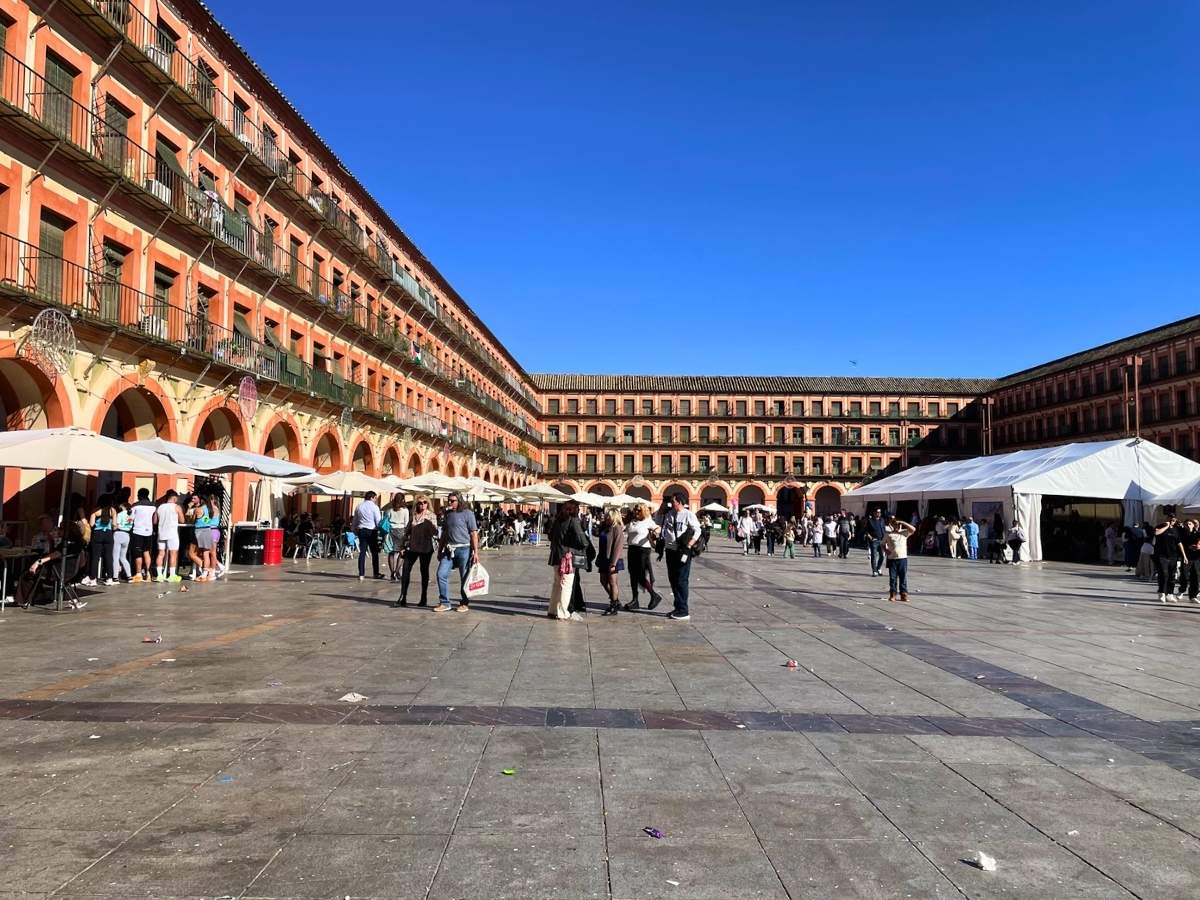
Next, take a short walk over to Plaza de la Corredera, one of Córdoba’s most popular squares.
The colorful orange buildings and open layout give it a more local feel compared to some of the main sightseeing areas.
You can grab a drink at one of the terraces or just stop by to take a few photos.
Visit Viana Palace
Continue your afternoon with a visit to Viana Palace, which ended up being one of my favorite spots in Córdoba.
This is an old historic palace, where you can wander through multiple courtyards filled with flowers, fountains, and greenery.
You can also step inside to see historic rooms that show what daily life looked like here centuries ago.
It feels really peaceful and a little removed from the busier parts of the city.


Have tapas for dinner
Before (or after) the evening show, stop for tapas at one of Córdoba’s classic restaurants.
Bodegas Mezquita Céspedes, La Lianta de Quini, and Restaurante Casa Rubio are a few good options located near the royal stables.
Watch an equestrian show
End your trip with an Andalusian horse show at the Royal Stables, also known as the “Caballerizas Reales”.
The performance combines beautifully trained horses with music and choreography, and it’s kind of like a mix between an equestrian show and flamenco.
Shows usually take place around 7:00pm and last for a little over an hour.

Other Notable Sights in Córdoba
If you have more time while visiting Córdoba, here are a few additional places worth checking out:
- Alcázar de los Reyes Cristianos: This historic palace and fortress is known for its gardens and fountains, but it has been closed for ongoing renovations. If you’re interested in visiting, make sure to check current reopening updates before your visit.
- Córdoba Synagogue: Located in the Jewish Quarter, this small 14th century synagogue offers a quick but interesting glimpse into Córdoba’s medieval Jewish history.
- Archaeological Museum: This small museum covers Córdoba’s history from prehistoric times through the Roman and Moorish periods, with parts built over ancient ruins. Entry only costs about 1.50€.

Tips for Visiting Córdoba Spain in 2 Days
Here are a few tips to help you make the most of your 2 days in Córdoba Spain:
- Book your tickets in advance: Make sure to purchase your Mezquita Cathedral and Bell Tower tickets in advance to lock in an early time slot and skip long lines at the entrance. You can purchase tickets on the official website or book a guided tour for deeper context.
- Book restaurants in advance: Popular restaurants like Casa Pepe de la Judería can fill up quickly, so it’s a good idea to make reservations for lunch or dinner when possible.
- Stay in central areas: The Jewish Quarter and the Centro neighborhood are the best areas to stay in Córdoba. Choose a hotel in these neighborhoods to be within walking distance to nearly everything on this itinerary.
- Avoid visiting on Mondays if possible: Many smaller attractions and museums close on Mondays, so try to schedule your visit for other days if you want everything to be open. The Mezquita will still be open, but options elsewhere may be more limited.
- Wear comfortable shoes: Córdoba’s historic and narrow streets are mostly cobblestoned and uneven, so supportive shoes will make exploring much more comfortable.
- Prepare for the summer heat: Summers in Córdoba can be extremely hot, so make sure to carry plenty of water and consider bringing along an electronic fan to stay cool while sightseeing.
- Be mindful of the patio schedule: Many patios follow limited opening schedules, typically late morning and early evening, so plan your visit around their operating times.

Final Thoughts: What to See in Córdoba in 2 Days
I hope this Córdoba itinerary helps you plan an amazing trip to southern Spain!
With two days in Córdoba, you’ll have enough time to see the city’s top sights while also slowing down and enjoying its atmosphere, historic streets, and local food scene.
As long as you make it to the Mezquita, wander the Jewish Quarter, and visit the patios, you’ll get a great feel for what makes Córdoba so special.
Córdoba is a really charming city, and I honestly didn’t expect to love it as much as I did.
There’s a good chance you’ll end up falling in love with the city just like I did!
READ NEXT:
