
How to Stay Connected in Spain: Cell Service, eSIMs, & Tips

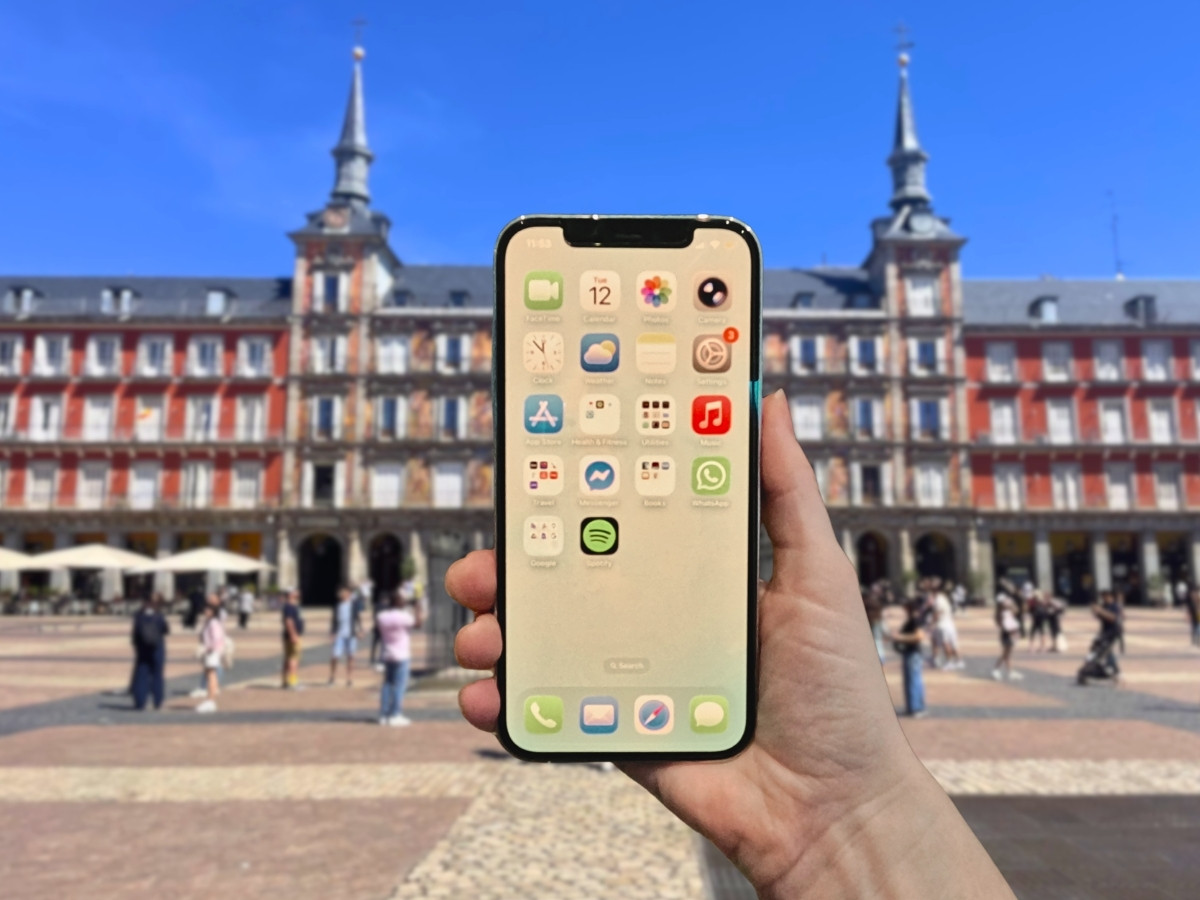
Planning a trip to Spain and wondering if your phone will work once you land? You’re in the right place!
I’m a travel blogger that lives in Spain, and this is one of the most common questions I get from readers planning their trip.
The good news is that staying connected here is actually really easy once you know your options.
In this guide, I’ll break down how cell phone service works in Spain, whether you should use international roaming, a SIM card, or an eSIM, and share some simple tips to help you stay connected without overpaying.
Will Your Phone Work in Spain?
In most cases, yes, your phone will work in Spain. BUT it may cost you.
The main thing you need to check is your specific phone plan, since many popular carriers charge daily fees for international coverage.
If your plan includes international coverage, you may be able to use your phone as soon as you land, although speeds and limits can vary.
If it doesn’t or if it’s really expensive, you’ll need an alternative like an eSIM or a physical SIM card.
If you’re unsure, it’s always best to check with your carrier before your trip so you know exactly what to expect.

Best Ways to Stay Connected in Spain
Here’s how to stay connected in Spain during your trip:
- International Roaming: This is the easiest option if your current phone plan includes international coverage or offers a daily travel pass. You can continue using your phone just like you would at home, but costs can add up quickly depending on your plan.
- eSIM: If international coverage isn’t included in your plan or if it’s going to be really expensive, then I’d recommend using an eSIM like Airalo. This allows you to install your data plan before your trip and have service as soon as you land in Spain. It’s simple, affordable, and doesn’t require swapping out your physical SIM card.
- Physical SIM Card: Getting a physical SIM card isn’t really necessary for most travelers unless you’re staying in Spain for an extended period of time. You can visit providers like Vodafone, Movistar, or Orange once you arrive and sign up for a prepaid plan, but you’ll need your passport and your phone must be unlocked. This will give you a Spanish phone number.
International Roaming for Major US Phone Carriers
Since I’m from the US, here’s a breakdown of how the main US carriers typically handle international coverage.
Important: Always check your specific plan before your trip, since coverage, pricing, and data limits can vary from person to person.
T-Mobile
T-Mobile is one of the easiest carriers to use in Spain because international coverage is often included in many of their plans.
I personally have T-Mobile, and as soon as I land in Spain, I receive a text message outlining what’s included and what costs extra.
My plan includes 5GB of high-speed data per month along with unlimited texting, which is more than enough for most trips. And if you do go over, your data just gets bumped to a lower speed.
However, calls are not included and typically cost around $0.25 per minute.
Because of that, I usually stick to wifi calling using apps like FaceTime or WhatsApp.
The coverage varies depending on your plan so make sure to check the T-Mobile website before your trip.

AT&T
AT&T offers international coverage through its International Day Pass, which lets you use your regular plan abroad for a daily fee.
This usually costs around $12 USD per day, which can add up quickly on longer trips.
The benefit is that you can use your phone just like you would in the US, including calls, texts, and data.
However, it’s not the most cost-effective option if you’re staying in Spain for more than a few days.
You can get an eSIM from Airalo for as low as $1 USD/per day (or even less for longer plans).
Verizon
Verizon also offers international roaming through its TravelPass, which works similarly to AT&T’s daily plan.
You’ll typically pay a $12 USD per day fee to access your regular talk, text, and data allowances while in Spain.
This is convenient because there’s nothing extra to set up, but it can become expensive if you’re traveling for an extended period.
Verizon also offers monthly international plans that may be a better option for longer trips.
Speeds and data limits can vary depending on your plan, so it’s important to review the details ahead of time.
Using an eSIM in Spain
If you don’t want to rely on international roaming or pay those daily fees, using an eSIM is one of the easiest and cheapest ways to stay connected in Spain.
What exactly is an eSIM?
An eSIM is a digital SIM that you install directly on your phone through an app, so there’s no need to insert a physical card.
It connects you to a local network so you can use mobile data in Spain while traveling, and most newer smartphones made after 2018 support it.
With an eSIM, you’ll use data for things like Google Maps, messaging apps, social media, and browsing.
You won’t get a Spanish phone number, and most plans are data-only, so traditional calls aren’t included.
But, you can still make calls using apps like WhatsApp or FaceTime, and your regular phone number will continue to work for things like iMessage or WhatsApp while your eSIM is used just for data.
Why I Recommend Airalo
Airalo is one of the most popular eSIM providers and the one I recommend for Spain.
You can choose a Spain-specific plan or a regional Europe plan if you’re visiting multiple countries.
It’s affordable, easy to set up, and works as soon as you arrive.
They have 3, 7, 15, or 30-day plans with a set amount of included data. Or you can upgrade to have unlimited coverage.
I’ve had family members use Airalo when they came to visit me in Spain, and it worked great for them.
It’s honestly one of the simplest ways to avoid roaming fees and stay connected.
Important: In order to use an eSIM you must have an eSIM-compatible device that is network unlocked. If you’re unsure, you can contact your cell phone provider to help you with this.
How Much Data Do You Need for Spain?
You’ll probably use more data than usual while traveling in Spain, especially with Google Maps, social media, photo uploads, and translation apps.
For shorter trips of around 3 to 5 days, 3GB to 5GB is usually enough for light to moderate use.
If you’re staying for a week or longer, I’d recommend at least 5GB to 10GB to be safe.
If you really like to stream videos or use hotspot data you may need even more.
It’s always better to have a little extra but you can always top up on the app if you run out of data mid-trip.
Tips for Using Your Phone in Spain
Here are a few tips to help you stay connected and avoid any issues:
- Check your phone plan before your trip: Again, make sure to check your specific phone plan before your trip so you understand what your plan includes and don’t run into unexpected charges while in Spain.
- Get your eSIM setup before you land: If you go with an eSIM, make sure to download the app ahead of time and get everything setup so you’ll have data as soon as you arrive.
- Use a phone leash: Don’t come to Spain without a phone leash–seriously! While Spain is generally very safe, pickpocketing can happen and phones are the most commonly stolen item. Use a phone leash to keep your phone securely attached to you at all times.
- Make calls on wifi if possible: Try to make calls using wifi whenever possible (so using FaceTime, WhatsApp, Facebook Messenger, etc). This can help you avoid expensive international call fees. For example, T-Mobile charges me $0.25 per minute for normal calls, which can add up!
- Make sure you have WhatsApp: WhatsApp is used by pretty much everyone in Spain and is the easiest way to message and call people. If you need to communicate with tour operators, hotel concierges, or any other businesses or locals in Spain, this is the way to do it.
- Download FreeNow: While you’re at it, download FreeNow which is an app for ordering taxis in Spain and works in most major cities. It’s often a lot more reliable than Uber.
- Download offline Google Maps: Offline maps can be a lifesaver if you temporarily lose connection or want to save data. Make sure to do this ahead of time, especially if you’re planning any road trips across Spain. The service can sometimes be spotty in more remote areas.
- Use wifi as much as you can: Take advantage of wifi internet at hotels, coffee shops, and restaurants as much as you can to reduce data usage.
- Turn off background data: Background data can suck up a lot of your data so I’d recommend turning it off for your trip. It will also help with your battery life. To do this on iPhone, go to Settings → General → Background App Refresh and turn it off.
- Bring a portable charger: You’ll probably be using your phone A LOT more than usual, so make sure to bring a portable charger in case your phone dies while you’re out and about. My phone dies on pretty much every trip!
- Download languages in Google Translate: I’d also recommend downloading Spanish and Catalan (for Barcelona) languages in Google Translate. That way you can use Google Translate even if you don’t have cell service.

Using Your Phone in Spain: FAQs
Here are the answers to some of the most common questions about using your phone in Spain:
Do I need a SIM card in Spain?
No, you don’t necessarily need a physical SIM card if your phone plan includes international coverage or if you use an eSIM. Most travelers find that an eSIM is the easiest option.
Can I use wifi instead?
Yes, wifi is widely available in Spain at hotels, coffee shops, and restaurants. However, you’ll still want mobile data for things like navigation and getting around. Wifi isn’t available everywhere.
Can I make calls with an eSIM?
Most eSIM plans are data-only, so traditional calls are not included. You can still make calls using apps like WhatsApp, FaceTime, or Facebook Messenger.
Is it hard to install an eSIM?
No, installing an eSIM is a pretty quick and simple process that usually takes just a few minutes. You usually just have to install an app and change some settings. Providers will give you clear instructions, and you can install it before your trip.
What happens if you run out of data with an eSIM?
If you run out of data during your trip, you can usually top up or purchase more through the app.
Can I use both my regular SIM and eSIM at the same time?
Yes, most newer phones allow dual SIM functionality, so you can keep your regular number active while using data from your eSIM.
Final Thoughts: Cell Phone Service in Spain
I hope this guide helped clear up any confusion about using your phone in Spain!
First things first, make sure to check with your cell phone provider before your trip since every plan is different and what’s included for you may not be the same for everyone.
If you already have international coverage, you might be able to use your phone right away, but keep an eye on data limits and extra charges.
If you don’t have international coverage or your plan charges a daily fee, I’d recommend going with an eSIM like Airalo for a more affordable and hassle-free option.
It’s one of the easiest ways to stay connected so you can navigate, message, and share your trip without worrying about your phone.
READ NEXT:

