
Is Costa Brava Worth Visiting in 2026? Travel Guide + Tips


Planning a trip to Spain and wondering if Costa Brava is actually worth visiting? You’re in the right place!
I live in Barcelona and have spent a lot of time exploring different parts of the Costa Brava, and it’s definitely one of my favorite regions in Spain.
In this guide, I’ll break down what Costa Brava is like, the best places to visit, where to stay, and a few tips to help you plan your trip.
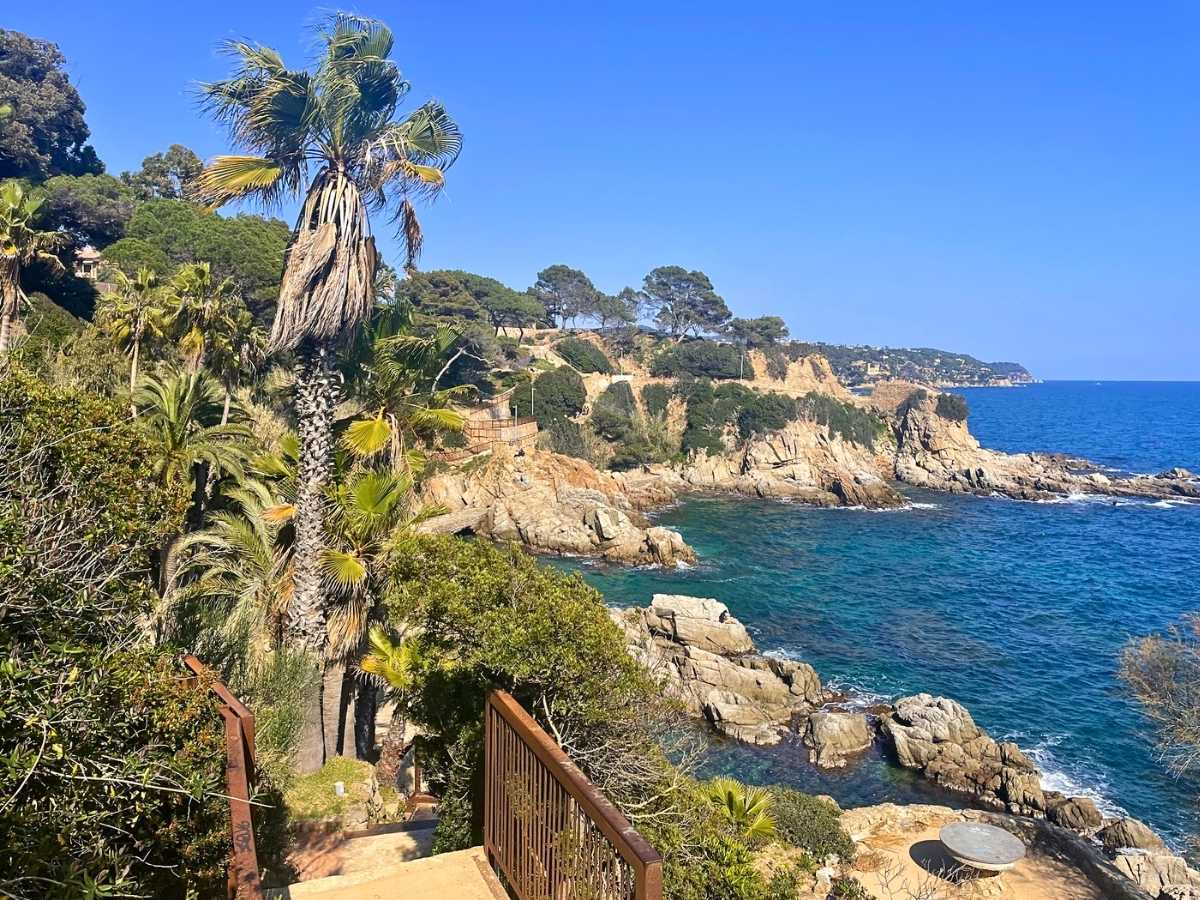
From rocky coastal paths and turquoise coves to charming seaside towns and scenic viewpoints, there’s a lot to see here.
Here’s everything you need to know to decide if Costa Brava is worth adding to your Spain itinerary.
Is Costa Brava Spain Worth Visiting?
Yes, Costa Brava is definitely worth visiting, especially if you’re looking for a more off-the-beaten-path coastal experience in Spain.
I live in Barcelona and have visited Costa Brava on both day trips and overnight stays, and it has a much more rugged, untouched feel compared to some of the more built-up beach destinations.
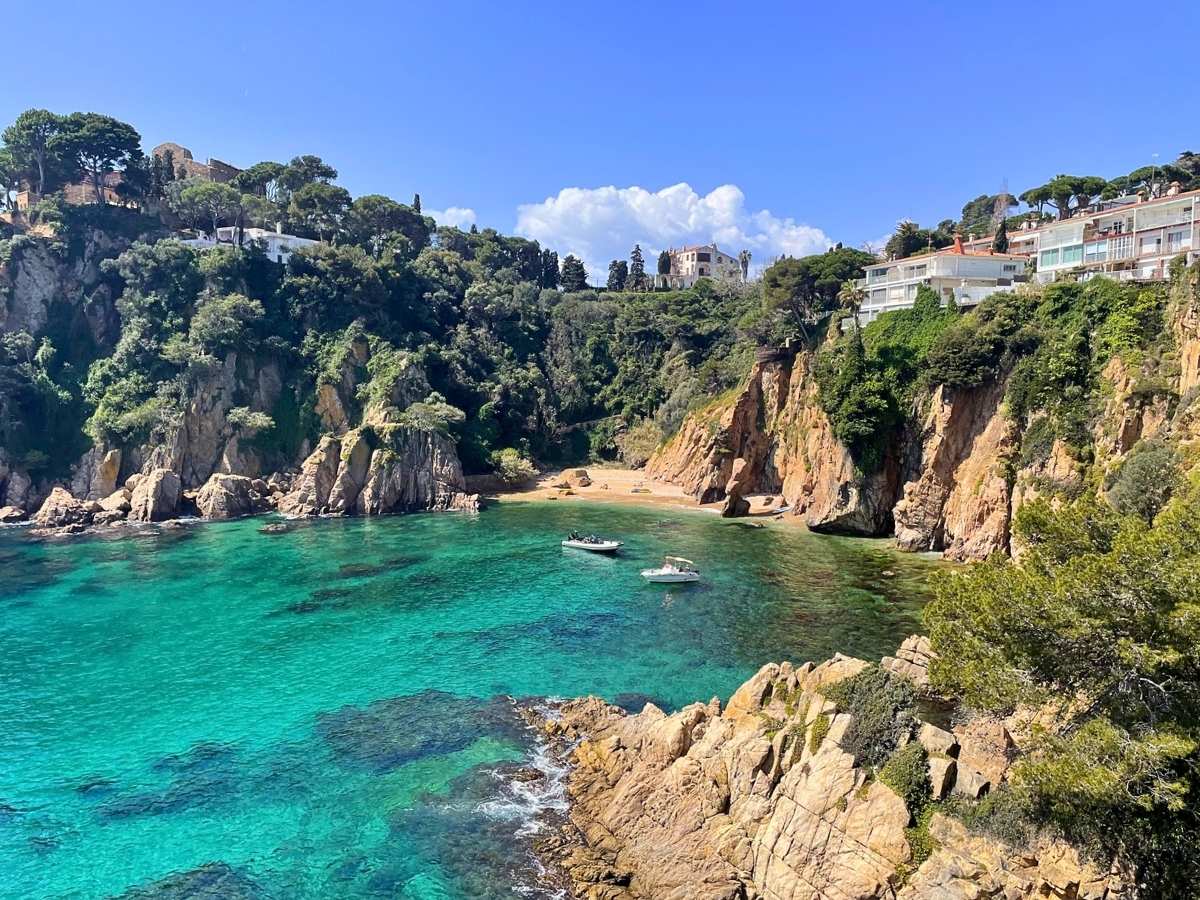
It’s best known for its small coves (known as “calas”) with unbelievably turquoise water, many of which are connected by the scenic Camí de Ronda coastal path.
And one of my favorite things about Costa Brava is how much there is to explore beyond just the beaches and coves.
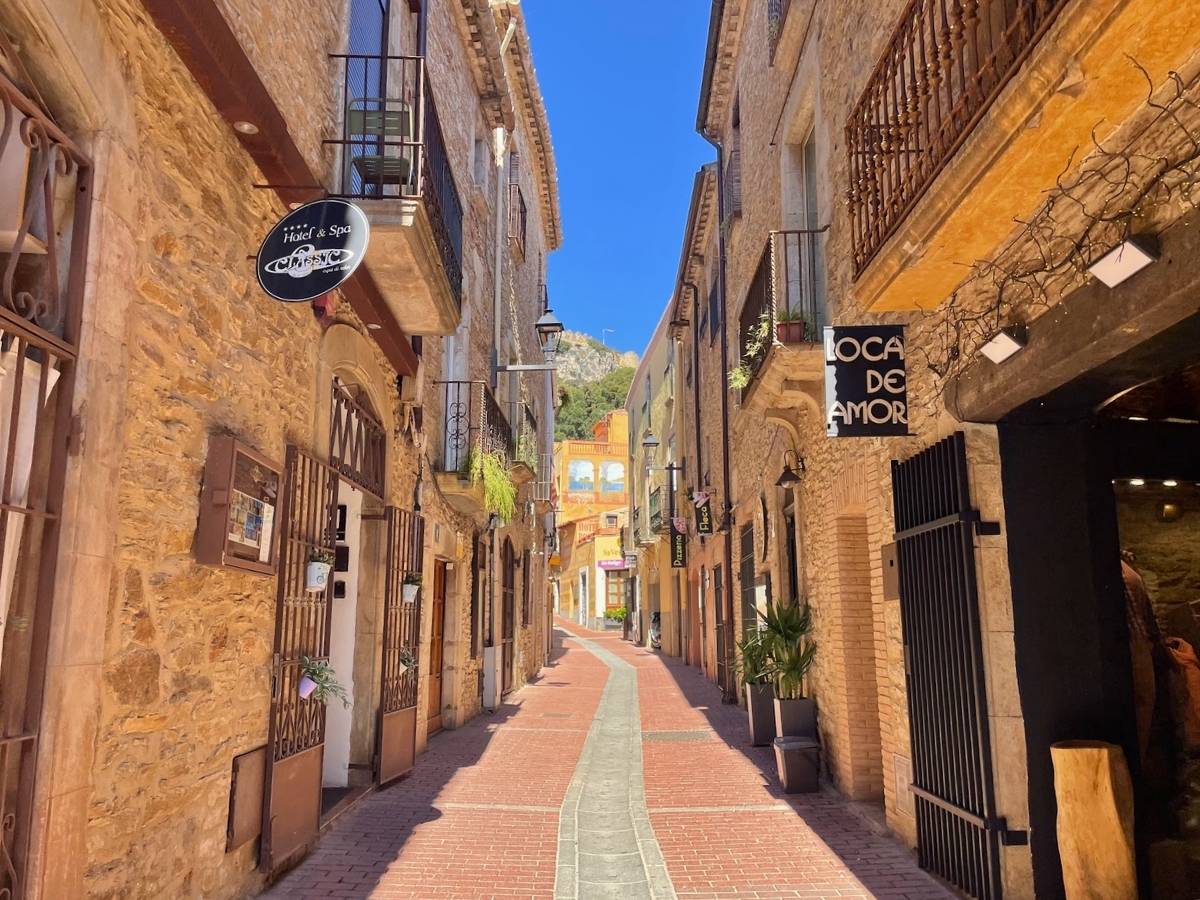
You’ve got botanical gardens, seaside castles, medieval villages, small museums, and so many great local restaurants hidden away in smaller towns.
I will say though that it’s really best if you don’t mind renting a car. The most beautiful spots are spread out and not always easy to reach by public transportation.
And while you definitely can visit Costa Brava on a day trip from Barcelona, I’d highly recommend staying a few nights so you can slow down and discover some of the hidden gems that make this region feel a bit more undiscovered.
What is Costa Brava Like?
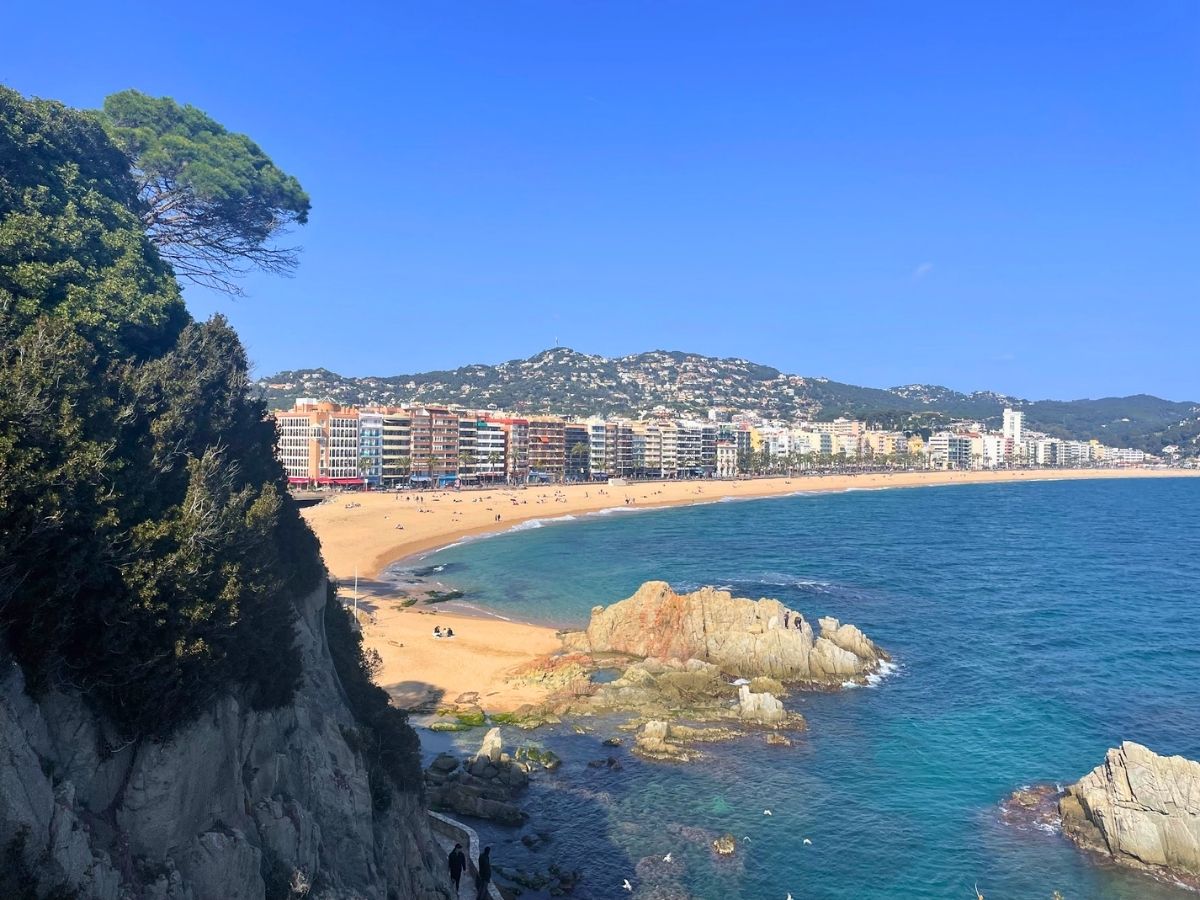
Costa Brava literally means “rugged coast,” and that’s exactly what you’ll find here, with dramatic cliffs, rocky shorelines, and bright turquoise water.
Many of the towns are connected by the Camí de Ronda coastal trail, which you can use to hike between towns and stop at hidden coves along the way.
But while most of Costa Brava is stunning, it’s not all quiet seaside villages.
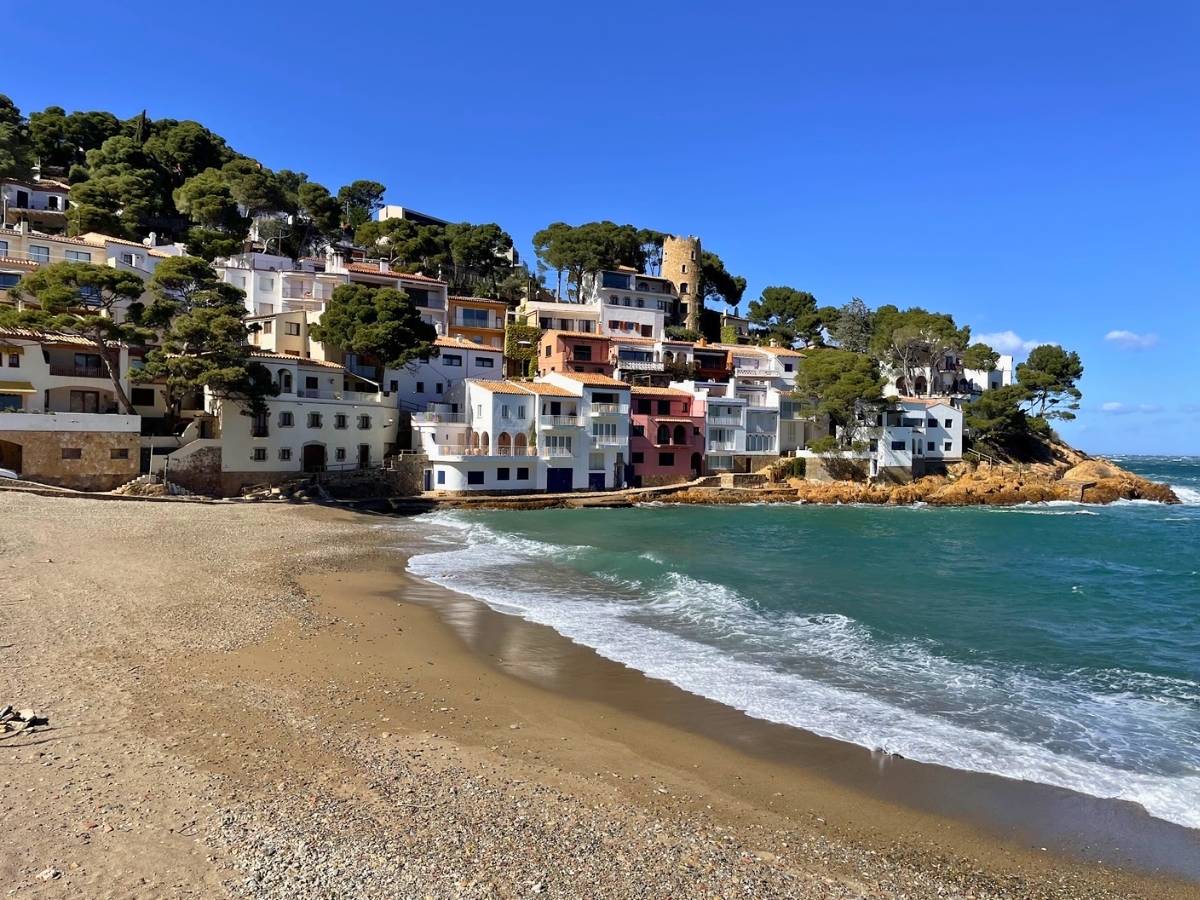
You’ll find a mix of small, charming towns like Begur and Calella de Palafrugell, along with more built up resort areas like Platja d’Aro and Lloret de Mar that have larger hotels, shopping, and nightlife.
I was pretty surprised to see fast food restaurants like McDonald’s and KFC when I stayed in Platja d’Aro.
But that just means you can tailor the experience to fit your travel style, whether you want something relaxed and low key or a destination with more going on.
Reasons to Visit Costa Brava
Here are the top reasons to visit Costa Brava Spain:
- Stunning Coves with Turquoise Water: Costa Brava is best known for its small coves, or calas, with unbelievably clear, bright turquoise water that feels completely different from typical sandy beaches.
- Rugged Coastal Scenery: The dramatic cliffs, rocky shoreline, and hidden inlets give the entire region a more raw and natural feel compared to more developed beach destinations.
- Camí de Ronda Coastal Path: You can hike along this scenic coastal trail that connects different towns and coves, making it easy to explore multiple spots in one day.
- Charming Seaside Towns: Places like Begur, Calella de Palafrugell, and Cadaqués offer a more laid-back atmosphere with local restaurants, boutique shops, and beautiful coastal views.
- Mix of Quiet and Lively Destinations: You can stay in a peaceful village or opt for more built up areas like Platja d’Aro or Lloret de Mar if you want nightlife, shopping, and larger hotels.
- Great for Day Trips or Longer Stays: Costa Brava is one of the best day trips from Barcelona, but there’s enough variety to keep you busy for several days.
- Perfect for a Road Trip: Having a car makes it easy to explore different beaches, towns, and viewpoints at your own pace, which is one of the best ways to experience the region.
- More Undiscovered Feel: Compared to other coastal areas in Spain, parts of Costa Brava still feel a bit more under the radar, especially if you venture beyond the main resort towns.
- Beyond the Beaches: In addition to the coastline, you’ll find botanical gardens, seaside castles, and even medieval inland villages that are worth visiting.
- Great Local Food Scene: From casual beachside restaurants to hidden gems in small towns, there are lots of great spots to try fresh seafood and local Catalan dishes.


Where is Costa Brava?
Costa Brava is a coastal region in northeastern Spain that stretches from just north of Barcelona all the way up to the French border, officially starting in the town of Blanes.
It’s not a single town, but a collection of different destinations along the coastline, each with its own vibe and highlights.
While it’s mainly known for its coastal towns and beaches, the region also includes inland villages that are worth visiting.
How to Get to Costa Brava
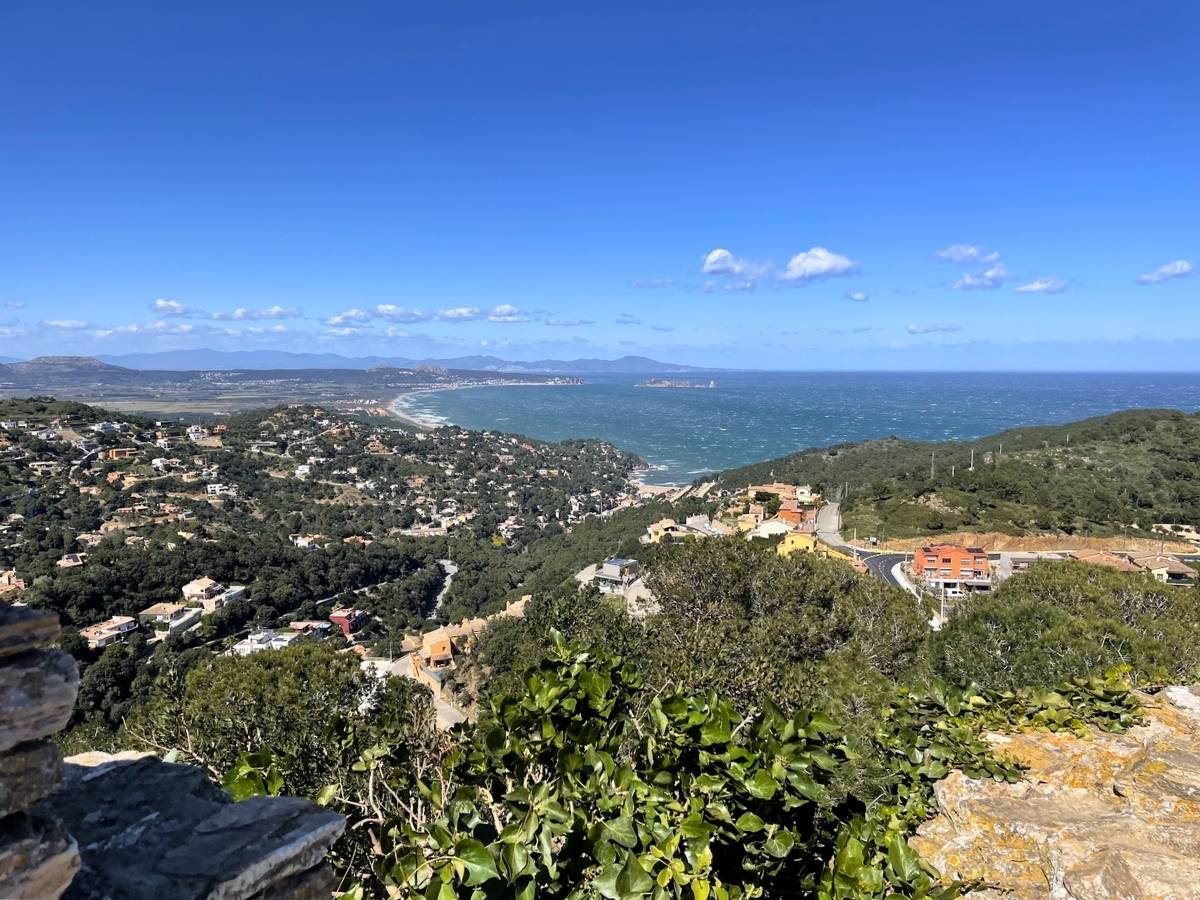
The best way to get to Costa Brava is by renting a car, especially if you want to explore multiple towns and beaches.
A lot of the most beautiful coves and viewpoints are spread out, and having your own car makes it a lot easier to get around at your own pace.
That said, it’s still possible to visit Costa Brava without a car.
I’ve taken the bus there from Barcelona, but it does require a bit more planning since some areas are hilly and taxis or public transportation can be limited once you’re there.
When I was in Begur, there was only one taxi in the entire town.
Costa Brava Transportation Options
Here’s a quick breakdown of your main transportation options:
- Rental Car: Renting a car is by far the easiest and most flexible option. You’ll be able to visit smaller towns, access hidden coves, and move around without relying on schedules.
- Train: The R1 (Rodalies) train line from Barcelona only goes as far as Blanes, which is considered the start of Costa Brava. From there, you would need to rely on buses or taxis to continue further north.
- Bus: Buses are the best public transportation option for reaching Costa Brava towns. Moventis buses run from the Estació del Nord bus station in Barcelona to destinations like Sant Feliu de Guíxols, Platja d’Aro, Begur, Pals, Roses, and Cadaqués. You can book tickets directly on the Moventis website or through Omio.
- Guided Tours: If you just want to take a day trip to Costa Brava, guided tours from Barcelona are a really easy option. They usually include transportation and stops at a few of the highlights, which makes them a good choice if you just want a quick overview of the region without renting a car.
Best Time to Visit Costa Brava
The best time to visit Costa Brava is during the summer months from June through August, when the weather is sunny and the water is warm enough for swimming.
This is when you’ll get the full Costa Brava experience, especially if you want to spend your days relaxing in calas and enjoying the coastline.
Just know that summer is also peak season, so you can expect larger crowds and higher prices, especially in the most popular towns.
If you prefer fewer crowds, May and September are also a great time to visit Spain with nice weather.
You can also visit in the off season to save money and enjoy a quieter atmosphere, but just keep in mind that some restaurants, hotels, and smaller businesses may be closed, particularly in the smaller towns.

Best Places to Visit in Costa Brava
If you’re trying to decide where to go in Costa Brava, here’s a quick breakdown of some of the top spots based on the type of trip you’re planning:
- Day Trips: Tossa de Mar, Blanes, Lloret de Mar
- Longer Stays: Cadaqués, Begur
- Cutest Towns: Calella de Palafrugell, Llafranc, Tamariu, Sant Feliu de Guíxols
- Medieval Villages: Pals, Peratallada
- Bigger Resort Towns: Platja d’Aro, Lloret de Mar, Empuriabrava, Roses
↳ If you want a more detailed breakdown, check out my full guide on the best places to visit in Costa Brava where I go into more detail on each destination.

Best Things to Do in Costa Brava
If you’re wondering what to do in Costa Brava, here are some of the top activities:
- Relax at the Calas: Spend time at some of Costa Brava’s most beautiful coves like Sa Tuna, Aiguablava, and Cala Sa Boadella, known for their clear, turquoise water and scenic surroundings.
- Walk the Camí de Ronda: Hike along sections of this coastal path that connects beaches and towns, with incredible views along the way and lots of spots to stop for a swim.
- Explore Charming Coastal Towns: Visit places like Begur, Calella de Palafrugell, and Cadaqués, where you’ll find local restaurants, boutique shops, and scenic seaside views.
- Visit Medieval Villages: Head slightly inland to towns like Pals or Peratallada, which are known for their stone streets, historic buildings, and small-town feel.
- Check Out Botanical Gardens: Visit coastal gardens like Cap Roig in Calella de Palafrugell or Marimurtra in Blanes, where you’ll get a mix of sea views, cliffside paths, and beautifully maintained landscapes.
- See Seaside Castles: Explore historic seaside castles in Tossa de Mar and Lloret de Mar for a mix of history and views.
- Spend a Day in Cadaqués: This whitewashed seaside town is one of the most iconic spots in Costa Brava, with a more artistic feel and beautiful coastal scenery. It’s also closely tied to Salvador Dalí, and you can visit his former home.
- Try Local Restaurants: From casual beachside spots to hidden gems in smaller towns, Costa Brava has lots of great places to try fresh seafood and local Catalan dishes.
- Take a Boat or Kayak Tour: Get out on the water to go snorkeling and explore caves, cliffs, and hidden coves that are harder to reach on foot.


Where to Stay in Costa Brava
If you’re wondering where to stay in Costa Brava Spain, here are a few recommendations:
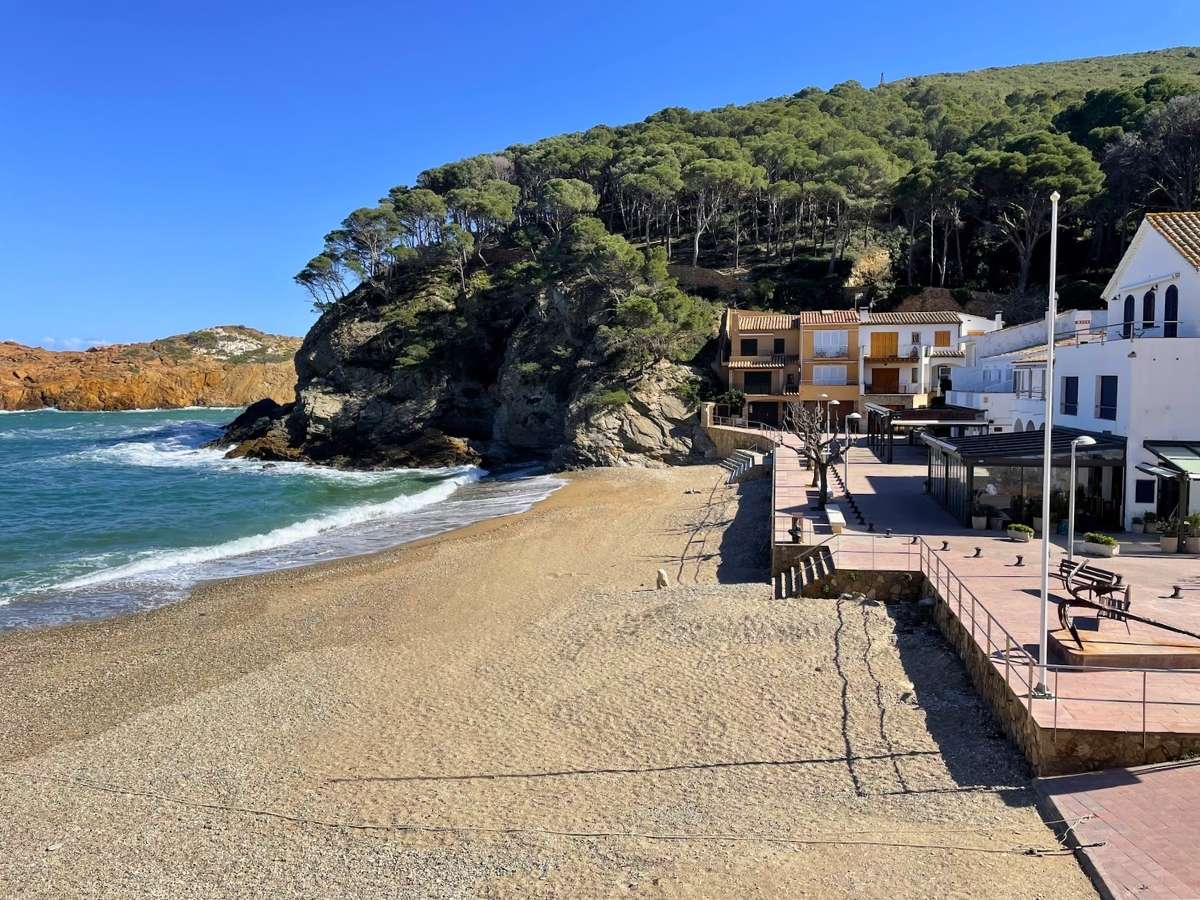
- Begur: One of my favorite areas in Costa Brava, especially if you want a mix of charming town vibes and easy access to some of the most beautiful calas nearby. It’s a great base if you have a car and want to explore the surrounding coastline. For hotels, check out La Bionda Begur or Finca Victoria.
- Cadaqués: A bit more remote at the top of Costa Brava, but one of the prettiest cities in Spain with its whitewashed buildings and coastal views. It’s perfect if you want something scenic and a little more unique. For hotels, check out Boutique Hotel Villa Salvador.
- Tossa de Mar: A great mix of beach and history, with a beautiful old town and a castle overlooking the sea. It’s a good option if you want something easy to reach from Barcelona but still very scenic. For hotels, check out Elisabeth by the Sea Hotel.
- Platja d’Aro: More built up and not as picturesque as some of the other towns, but it has a wide, sandy beach that’s very easy to access. This can be a good option if you prefer a resort-style stay or need something more mobility-friendly. For hotels, check out Hotel Cala del Pi or Hotel Aromar.


Tips for Visiting Costa Brava
Follow these travel tips to make the most of your Costa Brava trip:
- Rent a car: Renting a car will make your trip so much easier, since many of the best beaches, towns, and viewpoints are spread out and not always well connected by public transportation.
- Walk along the Camí de Ronda: Walking along the Camí de Ronda is one of the best ways to experience Costa Brava, with scenic coastal views and access to hidden coves you might not find otherwise.
- Visit the botanical gardens: Visiting the botanical gardens is a great way to mix in something different, with places like Cap Roig Botanical Gardens in Calella de Palafrugell and Marimurtra Botanical Gardens offering beautiful landscapes and incredible sea views.
- Be prepared for uneven terrain: Be prepared for uneven terrain, as many beaches and towns involve stairs, rocky paths, or steep hills, especially when accessing smaller calas.
- Pack water shoes: Definitely pack water shoes because some of the beaches and coves are pebbly or rocky.
- Try fideuà at a local restaurant: Fideuà is a regional dish similar to paella but made with noodles instead of rice and often served with fresh seafood.

Visiting Costa Brava Spain: FAQs
Here are the answers to some of the most frequently asked questions about visiting Costa Brava Spain:
How many days do you need in Costa Brava?
2-3 days in Costa Brava is enough to see a few towns and beaches, but 4-5 days is better if you want to explore more of the region at a relaxed pace.
Do you need to rent a car in Costa Brava?
You don’t have to rent a car in Costa Brava, but it’s highly recommended since many of the best coves and towns are spread out and harder to reach by public transportation.
What is the nicest part of Costa Brava?
Some of the nicest areas in Costa Brava include Begur, Calella de Palafrugell, and Cadaqués, known for their scenic coastline, clear water, and charming atmosphere.
Does Costa Brava have sandy beaches?
Yes, Costa Brava has both sandy beaches and smaller rocky coves, though many of the most scenic calas tend to be more pebbly.
Is Costa Brava expensive?
Costa Brava can be moderately expensive, especially in summer, but you can still find a range of options depending on where you stay and how you plan your trip.
What is Costa Brava known for?
Costa Brava is best known for its rugged coastline, turquoise calas, scenic coastal trails, and charming seaside towns.

Final Thoughts: Is Costa Brava Worth Visiting?
I hope this guide helped you decide if Costa Brava is worth visiting!
I honestly think it’s one of the most beautiful coastal regions in Spain, with its rugged cliffs, turquoise calas, scenic coastal paths, and mix of charming towns and livelier resort areas.
While you can visit on a day trip from Barcelona, it’s really a place that’s best experienced over a few days so you can explore at a slower pace.
And if there’s one thing I’d recommend, it’s renting a car since it makes it so much easier to reach the smaller coves and move between towns.
If you’re looking for a coastal destination that feels a bit more raw and less built up, Costa Brava is definitely worth adding to your Spain itinerary.
READ NEXT:
