
Is Spain Safe for Tourists Right Now? What to Know in 2026


If you’re planning a trip to Spain and wondering if it’s still safe to visit, you’re definitely not alone.
With ongoing anti-tourism protests making headlines, I know a lot of travelers are feeling unsure about what to expect.
I’m a travel blogger that lives in Spain, so I want to share what safety actually looks like on the ground right now.
The short answer is that Spain is still a very safe destination for tourists, but there are a few things worth knowing before you go.
In this guide, I’ll cover the protests, how to be a responsible traveler, real safety risks, official travel advisories, and practical tips to help you feel more confident while visiting Spain. Let’s get into it!
Is Spain Safe for Tourists?
Overall, Spain is a very safe destination for tourists and is considered one of the safer countries in Europe to visit.
Violent crime is relatively low, and millions of tourists travel here every year without any issues.
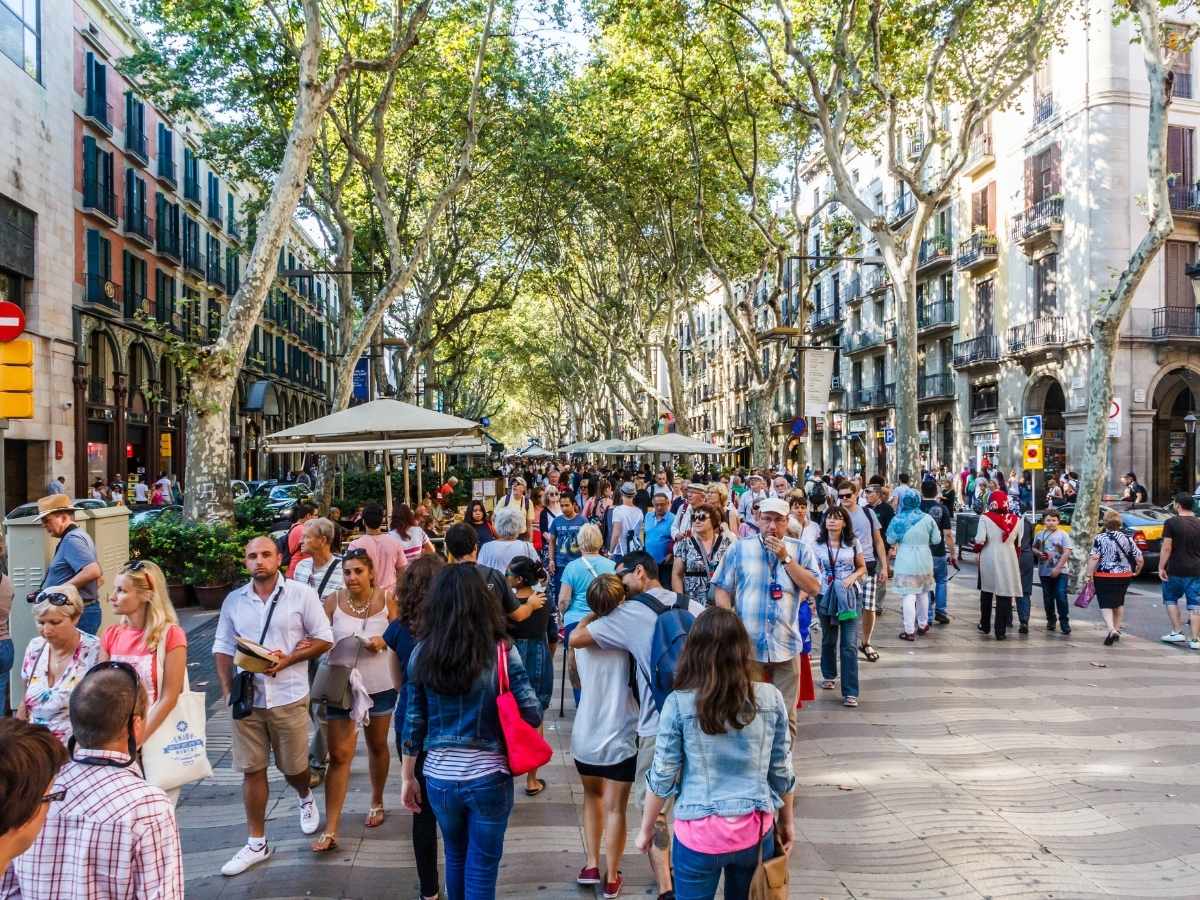
The biggest safety concern in Spain isn’t violent crime, but petty theft like pickpocketing and phone snatching, especially in popular tourist areas.
These are most prevalent in Barcelona and Madrid, and are mostly crimes of opportunity rather than anything aggressive.
With basic precautions and common sense, I think it’s still very easy to have a safe and enjoyable trip around Spain.
Safety Tip: The best thing you can do to avoid pickpocketing in Spain is to use a crossbody bag along with a phone leash. I don’t let any of my family and friends come here without one!
Anti-Tourism Protests in Spain: Should You Be Worried?
You may have seen the news stories and videos online of anti-tourism demonstrations in cities like Barcelona, Mallorca, and other popular destinations.
Some of these have included things like water guns aimed at tourists or signs telling visitors to go home.
While overtourism is a real issue in parts of Spain, these protests are generally non-violent and aren’t happening constantly.
They’re mostly aimed at raising awareness about housing shortages, rising rents, and how mass tourism impacts daily life for locals.
In everyday life, tourists are not being targeted or harassed regularly.
I personally haven’t experienced any negative interactions with locals during my entire time living here, and have always been welcomed warmly.
That said, it’s a very good reminder to travel thoughtfully and respectfully while visiting Spain.

How to Be a Responsible Tourist in Spain
Being a responsible traveler goes a long way, especially right now. Here are a few ways to be a responsible tourist in Spain:
Choose Hotels Over Short Term Vacation Rentals
One of the main reasons behind the frustration in Spain right now is the housing crisis, especially in major cities and tourist hotspots.
Over the years, many apartments that were once long term homes for locals have been converted into short term vacation rentals, which has reduced housing supply and driven rents way up.
While the Spanish government does have strict rules around vacation rentals, many landlords find ways around them by renting illegally or pushing out long term tenants for higher tourist profits.
That’s why I always recommend staying in hotels instead of Airbnbs or vacation rentals whenever possible.
Hotels don’t take housing away from local residents and are a much more responsible choice in cities dealing with overtourism.

Support Local Neighborhoods, Restaurants, and Small Businesses
If you stick only to the main tourist streets, it can feel like Spain is completely overcrowded.
But you’ll notice a huge difference if you walk just a few blocks away from the busiest areas.
Local neighborhoods often have quieter streets, better food, lower prices, and a much more authentic atmosphere.
Seek out neighborhood cafes, family run restaurants, local bakeries, and small shops instead of chains and tourist trap spots.
Not only does your money go directly back into the community, but you’ll usually have a more memorable and fulfilling travel experience.
Some of my favorite meals in Spain have been in places I randomly found away from the main attractions.

Be Respectful of Noise, Cleanliness, and Public Spaces
One of the biggest frustrations locals have, especially in cities like Barcelona, is tourists treating the city like a party zone instead of a place where people actually live.
It’s honestly sad, but it’s not uncommon to see trash, empty beer bottles, and food left on the streets after busy nights out.
In some areas, you’ll even smell urine in alleyways, and it’s definitely not all from dogs.
Late night noise, shouting, and public drunkenness really impact residents who live in these neighborhoods year round.
Enjoy Spain’s nightlife if that’s your thing, but be mindful of where you are, keep noise down when walking through residential streets, and always throw away trash properly.

Learn a Few Basic Spanish (and Regional Language) Phrases
You don’t need to be fluent in Spanish to travel in Spain, but making even a small effort to learn basic Spanish phrases goes a long way.
Simple phrases like hola (hello), gracias (thank you), and por favor (please) show respect and are always appreciated.
It’s also important to know that some regions have their own languages in addition to Spanish.
For example, in Barcelona and much of Catalonia, many locals speak Catalan. In other parts of Spain you’ll hear Basque or Galician.
You’re not expected to know these languages 100% fluently, but just being aware of them and making an effort makes a big difference.
Tip: Check out my Essential Spanish Phrases e-Book to learn some basic Spanish phrases before your trip!
Visit During Shoulder Season
If your schedule allows, traveling during shoulder season is one of the best things you can do for both Spain and your own experience.
Shoulder season in Spain usually falls in spring (April to early June) and fall (September to October).
The weather is still great, crowds are much smaller, prices are lower, and cities feel far more relaxed.
Locals aren’t as overwhelmed, attractions are easier to enjoy, and you won’t be packed shoulder to shoulder with tour groups.
Honestly, I think shoulder season is the best time to visit Spain anyway.

Spain Travel Advisory: What the Official Guidance Says
Here’s what the official guidance says about traveling to Spain:
US Travel Advisory for Spain
According to the US Department of State, Spain is currently listed as Level 2: Exercise Increased Caution.
This is mainly due to concerns about terrorism and occasional civil unrest, and it’s the same level assigned to many other popular European destinations like France, Germany, and the UK.
In practical terms, this just means staying aware of your surroundings, avoiding demonstrations, and being cautious in crowded public places.

Smart Traveler Enrollment Program (STEP)
If you’re an American traveling to Spain, I’d highly recommend signing up for the Smart Traveler Enrollment Program (STEP).
It’s a free program that allows you to register your trip with the nearest US embassy or consulate.
You’ll receive email alerts about safety updates, protests, weather issues, and other important information while you’re in Spain.
I’m enrolled myself and have found the alerts to be really helpful and informative.
How Safe Is Spain Overall?
Here’s an overview of Spain’s official crime and safety rankings:
Spain’s Peace & Safety Ranking
Spain consistently ranks as one of the more peaceful countries in the world.
On the Global Peace Index, Spain ranks 25 out of 163 countries and is classified as having a high level of peace.
For comparison, the United States ranks much lower at 128 out of 163.
This ranking is published by the Institute for Economics & Peace and looks at factors like crime levels, political stability, and overall safety.

Spain Crime & Safety Index
According to Numbeo:
- Spain has a Crime Index of 37.6 out of 100 (considered low)
- Spain has a Safety Index of 62.4 out of 100 (considered high)
In real life, this reflects what most travelers experience.
Spain feels very safe day to day, with petty theft being the main issue rather than serious crime.
Is Spain Safe at Night?
Yes, Spain is generally safe at night, especially in busy, well lit areas where people are out eating, walking, and enjoying nightlife.
That said, it’s smart to be more cautious late at night in party districts or quiet side streets.
For example, the really narrow streets of the Gothic Quarter in Barcelona can feel a little sketchy late at night.
If you’re heading home late, taking a taxi is usually the easiest and safest option.

Is Spain Safe for Solo Travelers?
Spain is one of the most popular countries in Europe for solo travelers.
Between hostels, walking tours, food tours, and social travel culture, it’s very easy to meet people and get around.
As long as you use basic precautions like watching your belongings and staying aware in crowded areas, solo travel in Spain is very safe.
Is Spain Safe for Solo Female Travelers?
As a woman living in Spain, I’ve always felt very comfortable traveling around the country alone.
Spain tends to feel safe both during the day and at night compared to many destinations.
Like anywhere, it’s important to stay alert, avoid isolated areas late at night, watch your drinks when out, and trust your instincts.
But overall, I think Spain is a great destination for solo female travelers and I’ve never felt unsafe here.

Common Safety Issues Tourists Face in Spain
Here’s an overview of some of the most common safety issues tourists might face while visiting Spain:
Pickpocketing & Petty Theft
Pickpocketing is by far the most common safety issue for tourists in Spain.
The pickpocketing in Barcelona is especially bad, and it’s not uncommon in Madrid and other bigger cities too.
It happens the most in crowded areas like city centers, public transportation, tourist attractions, and busy streets.
Phones, wallets, and small bags are the most common targets.
But from what I’ve seen, it seems like they go for easy targets rather than violent attacks.
The best thing you can do is to use a crossbody bag, along with a phone leash to keep your belongings secured to you.

Tourist Scams
Another possible safety risk for travelers in Spain is tourist scams.
Some scams involve distractions like asking for directions, fake petitions, or someone bumping into you while an accomplice grabs your belongings.
Others involve overpriced restaurants or surcharges in heavy tourist zones.
You might also get a rogue restaurant server who will demand a large tip just because you look like a tourist, even when tipping in Spain is not really the norm.
Being alert and doing a little research ahead of time helps avoid most of these. You can also read these tips to avoid tourist traps in Spain.

Extreme Heat
Another safety risk to consider is the extreme heat in the summer months.
Summers in much of Spain can be extremely hot, especially in places like Seville, Granada, and southern Spain where temperatures can regularly pass 100°F (38°C).
Heat exhaustion and dehydration are real risks for travelers who aren’t used to it.
Drink plenty of water, take breaks in the shade or indoors, wear sunscreen, and plan sightseeing for mornings and evenings in summer.
If you’re visiting Spain in the summer, I’d also recommend picking up an electronic hand fan to help you stay cool.
It’s also not uncommon to see people using a travel umbrella for shade.
Natural Disasters & Rare Emergencies
Natural disasters in Spain are uncommon, but they do happen occasionally.
There have been serious floods in areas like Valencia in recent years, and I was personally in Spain during a national power outage that affected the entire country.
These situations are rare, but it’s smart to stay informed through local news, STEP alerts, or hotel staff if anything unusual occurs.
How to Avoid Pickpocketing in Spain
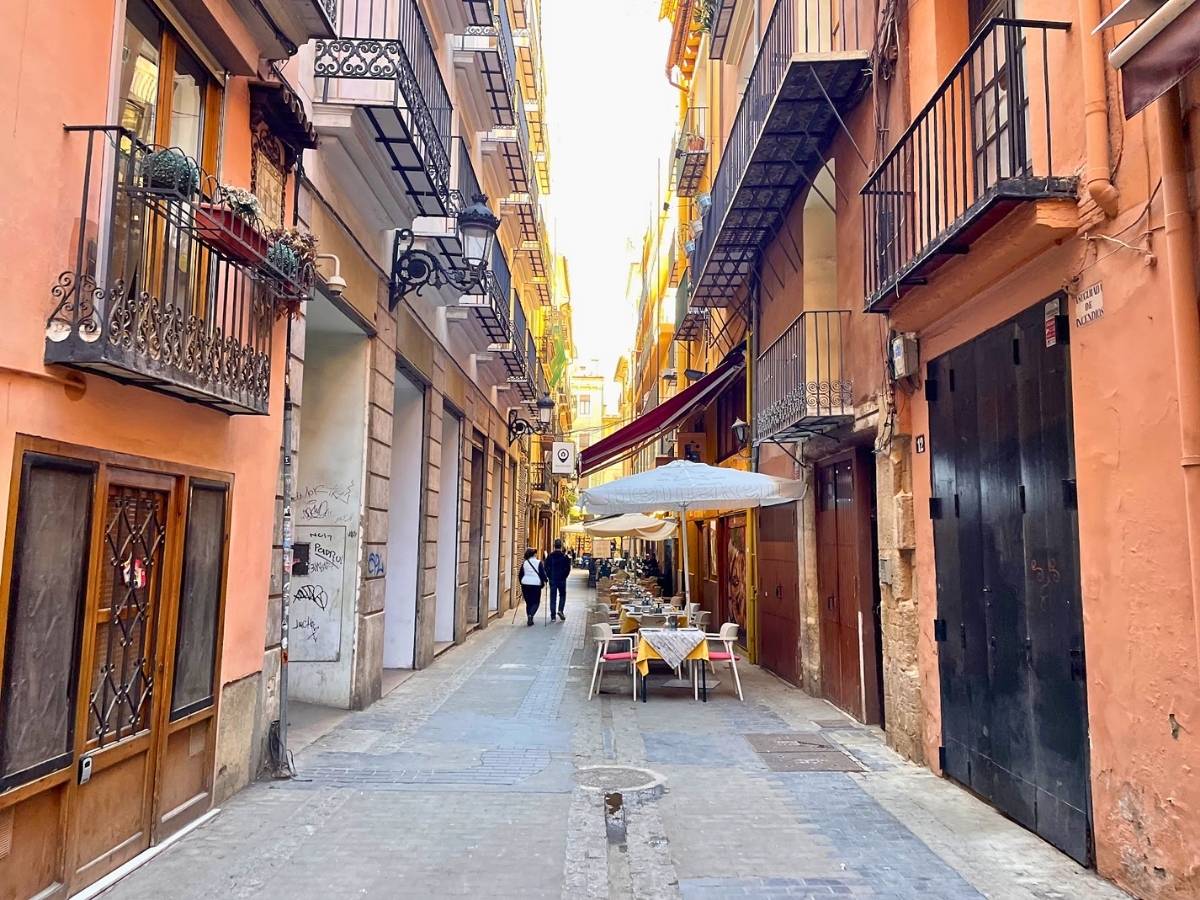
Here are a few important tips to avoid getting pickpocketed in Spain:
- Use a crossbody purse or belt bag: Always use a crossbody purse or belt bag since they are much harder for thieves to grab or open than shoulder bags or totes. Look for one with secure zippers or RFID protection for extra peace of mind.
- Use a phone leash: Phone snatching is common in busy areas, and a simple phone leash can prevent it from being pulled out of your hands. It lets you use your phone for photos and directions without constantly worrying about it being taken. I have several that I attach to the inside of my belt bag and never leave the house without it!
- Add anti-theft zippers to your bag: Anti-theft zippers are an extra layer of security that make it much harder for someone to quietly open your purse or backpack in crowds. I bought a pack on Amazon and have added them to all my purses and backpacks.
- Keep valuables out of back pockets: This may seem like common sense but I swear I still see people walking around with phones and wallets in their back pockets. Always store important items in your front pocket or zipped compartments inside a bag instead.
- Be extra cautious in crowded tourist zones: Busy attractions, main streets, and popular squares are where pickpockets tend to operate the most. Keeping a hand on your bag in these areas can help deter theft.
- Stay alert on public transportation: Trains, metros, and buses are common spots for petty theft, especially during rush hour or when tourists are packed together. Wear your bag in front of you, keep a hand on it, and stay alert.
- Be wary of distractions from strangers: Some thieves work by asking for directions, offering help, or creating small distractions while someone else grabs your belongings. If something feels off, keep moving and hold onto your bag.
- Don’t judge by appearances: Pickpockets don’t always look suspicious and are often well dressed and friendly. Never let your guard down when interacting with strangers because some of them can look very innocent.
- Leave flashy valuables at home: Expensive jewelry, designer bags, and luxury watches can make you stand out as a target. It’s safer to stick with simple, low key accessories while exploring.

Staying Safe While Traveling Around Spain
Here’s what to know about staying safe while traveling in Spain:
Hotel Safety in Spain
Hotels in Spain are generally very safe, and I’ve never had any issues anywhere I’ve stayed.
I would just recommend using your hotel safe for passports, extra cash, and valuables.
I’d also suggest keeping at least one backup credit card stored in there just in case your wallet gets stolen.
That way you’ll still have access to funds for the remainder of your trip.

Beach Safety in Spain
Beaches in Spain are generally safe and a great place to relax, but they’re also a common target for petty theft, especially in busy coastal cities and crowded summer months.
One of the biggest mistakes tourists make in Spain is leaving valuables unattended while swimming.
I’ve heard that some thieves actually work in teams on the beaches in Barcelona, with spotters watching the beach for bags left alone and then signaling to an accomplice who quickly grabs them.
The safest option is to go to the beach with other people and take turns going in the water so your belongings are never left unattended.
If you’re visiting a beach with umbrella rentals, some areas (like in Mallorca) even offer small lock boxes attached to the umbrellas, which is a really helpful added security feature I haven’t seen elsewhere.

Public Transportation Safety
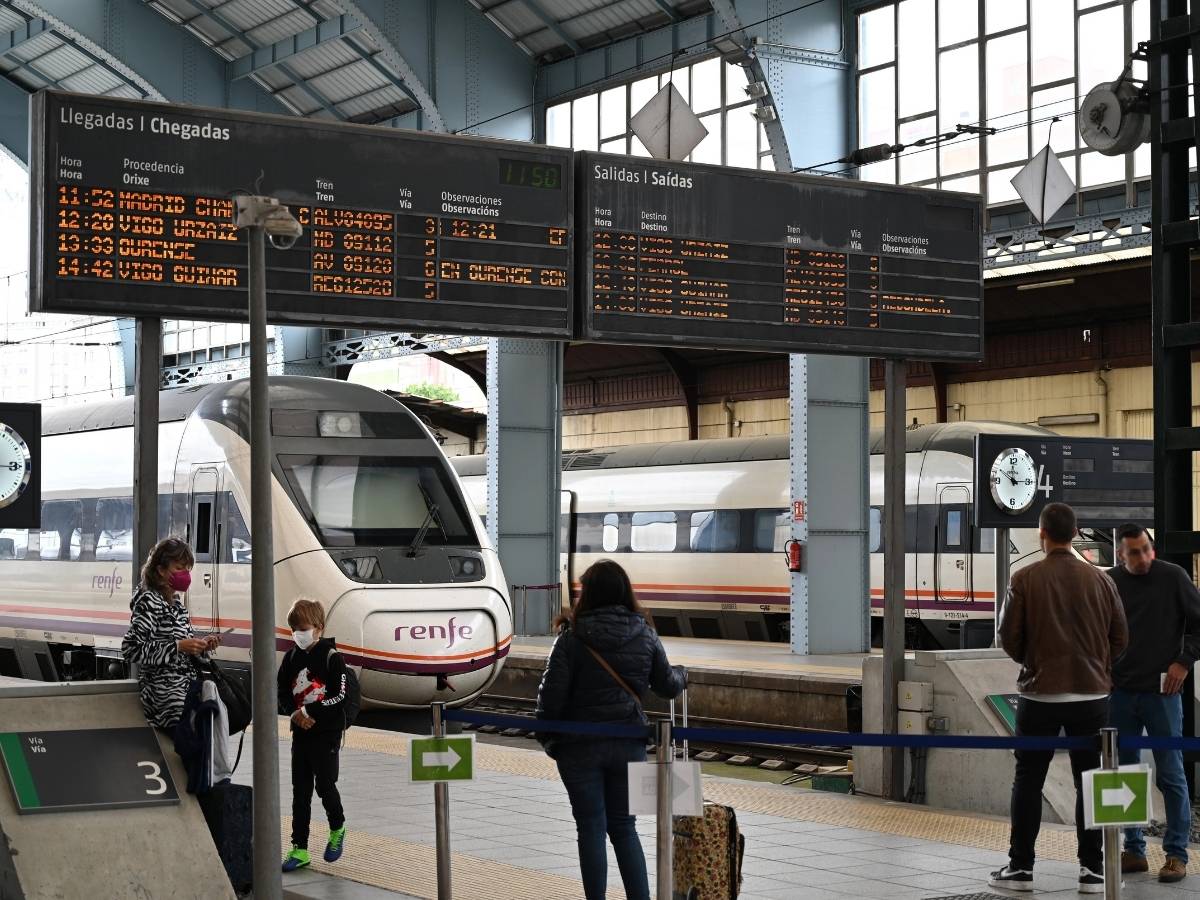
Spain’s trains, metros, and buses are very reliable and widely used by both locals and tourists.
The main thing you need to worry about is pickpocketing in crowded stations and trains.
There was, however, a recent tragic train crash near Córdoba, which was a very rare incident.
Local authorities are currently investigating and making improvements, including lowering speeds on some routes while tracks are inspected to enhance safety.
Overall, train travel in Spain remains one of the safest and easiest ways to get around the country.
Taxi & Ride App Safety
Taxis in Spain are regulated, metered, and generally very safe.
I’ve taken taxis alone in almost all the major cities in Spain and have never felt unsafe.
Ride hailing apps are also commonly available in many cities.
Uber doesn’t always work well, so I would recommend downloading Freenow, where you can request a regular taxi on demand.

Nightlife Safety in Spain
Spain has a lively nightlife scene, with late dinners and late nights being normal.
In fact, many nightclubs in Spain don’t even get going until 2 or 3am.
Always keep an eye on your drink, avoid getting overly intoxicated, and keep your belongings secure in crowded bars or clubs.
I’d also recommend taking a taxi home late at night, which is usually the safest option.

Drinking Water in Spain
The tap water is safe to drink throughout Spain, but the taste can vary by region.
In Barcelona, it kind of tastes like chlorine, so I usually stick to bottled or filtered water.
Bottles of water in all sizes are easily available in grocery stores or corner markets.
Driving Safety in Spain
Spain has well maintained highways and roads, clear signage, and strict traffic laws.
I don’t have a car in Barcelona but I have rented a car a few times when my family has come to visit, and it’s been pretty easy.
If you book a car rental, just make sure to follow speed limits carefully (they are in km/hr), and watch out for tolls.
Parking can be more difficult in bigger cities but there are usually paid parking garages available.

Safety in Spain: FAQs
Here are the answers to some of the most frequently asked questions about safety in Spain:
Is Spain safe for American tourists?
Yes, Spain is very safe for American travelers and is one of the most popular European destinations for US tourists.
Is it safe to walk around at night in Spain?
Generally yes, especially in busy, well lit areas. Use taxis late at night for extra peace of mind.
Do I need to carry my passport in Spain?
It’s better to carry a copy and leave the original in your hotel safe unless required (like at the Alhambra in Granada).
Is Spain safer than other European countries?
Spain ranks among the safer countries in Europe, especially when it comes to violent crime.
What’s the number for emergency services in Spain?
The emergency number across Spain is 112 for police, fire, and medical emergencies.
Are the protests dangerous for tourists?
No, they are typically non-violent and focused on policy and housing issues, not individual travelers.
What is the safest part of Spain for tourists?
Smaller cities and towns in Spain are typically the safest and you generally don’t have to worry as much about pickpocketing compared to major tourist hubs.

Final Thoughts: Is It Safe to Travel to Spain Right Now?
I hope this guide has helped to ease any worries about safety in Spain and gave you a realistic idea of what to expect.
Despite the recent headlines, Spain is still a very safe country to visit, with petty theft and summer heat being the main things to watch for rather than violent crime.
And if you only remember one piece of travel advice from this article, let it be this: don’t come to Spain without a phone leash!
It’s one of the simplest ways to protect your belongings in busy areas.
As long as stay aware and do your part to be a responsible tourist, you will more than likely have a very safe and enjoyable trip to Spain.
