
Is Valencia Worth Visiting in 2026? Travel Guide + Tips

Planning a trip to Spain and wondering if Valencia is worth visiting? You’re in the right place!
As a travel blogger that lives in Spain and who has been to Valencia multiple times, I’m here to give you a real look at what makes this coastal city special.
In this guide, I’ll share the top reasons to visit Valencia, what to expect, the best things to do, and helpful travel tips to make the most of your trip.
Whether you’re planning a short stop or considering a longer stay, you’ll find everything you need to know right here. Let’s get into it!
Is Valencia Worth Visiting?
Valencia is definitely worth visiting, especially if you’re looking for a sunny, laid-back city with a mix of culture, nature, and great food.
As Spain’s third-largest city, it’s not packed with must-see sights, but 2 to 3 days is just right to enjoy the highlights without feeling rushed.
You can explore the futuristic City of Arts and Sciences, unwind in parks like Turia, and hit the city’s wide beaches–which are a nice bonus, though not the main draw.
And of course, trying authentic paella in the city where it was born is a must!

What is Valencia Like?
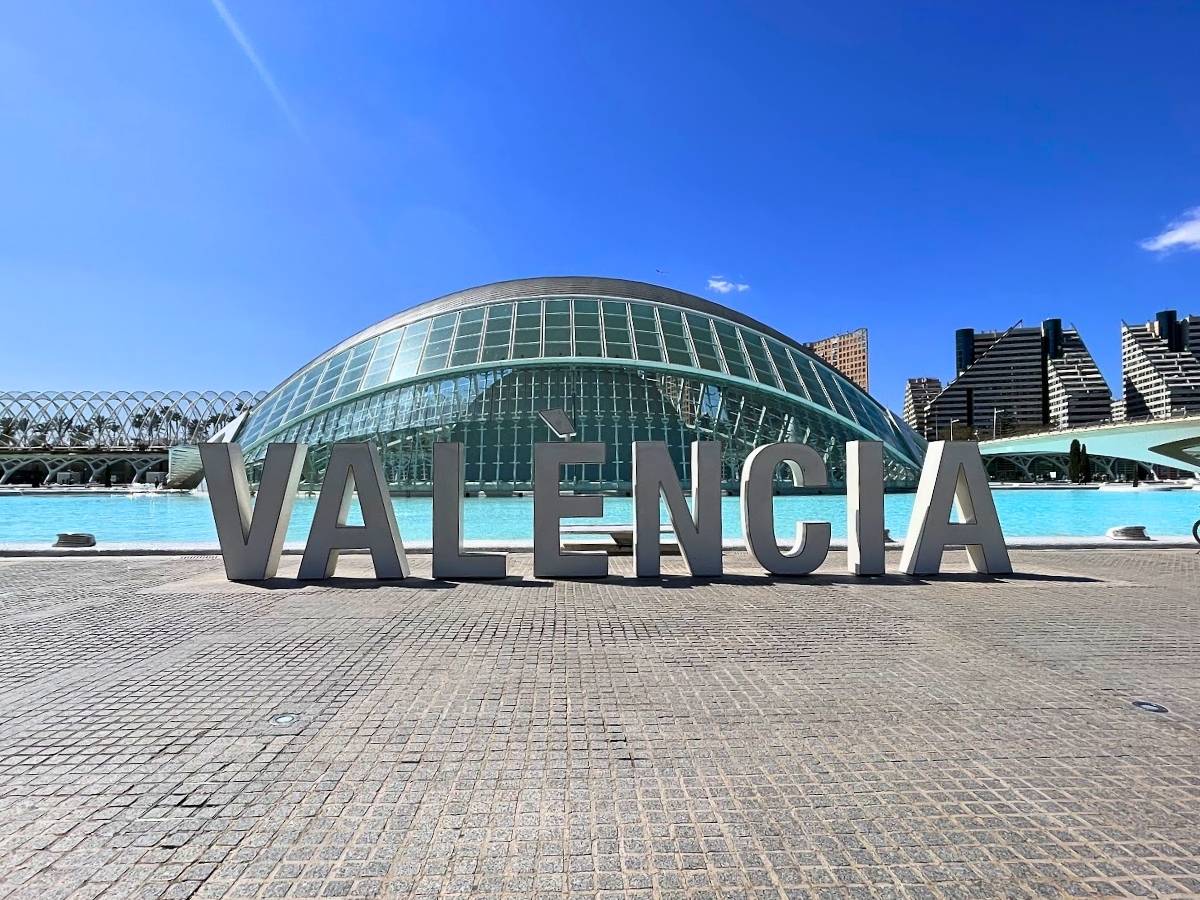
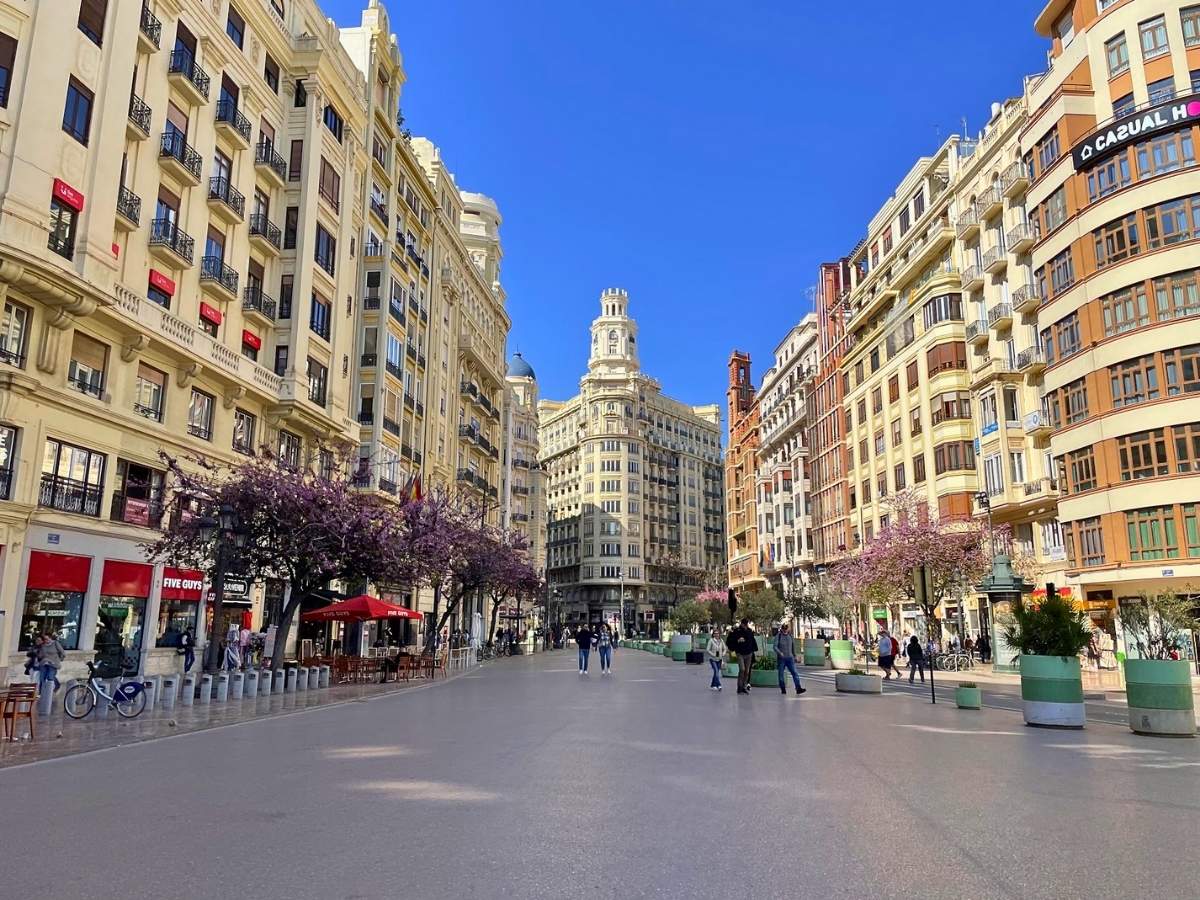
Valencia has a really interesting mix of old and new, with the historic city center full of classic architecture and the futuristic City of Arts and Sciences nearby.
This modern complex is one of the most famous monuments in Spain and includes a science museum, opera house, and one of the largest aquariums in Europe.
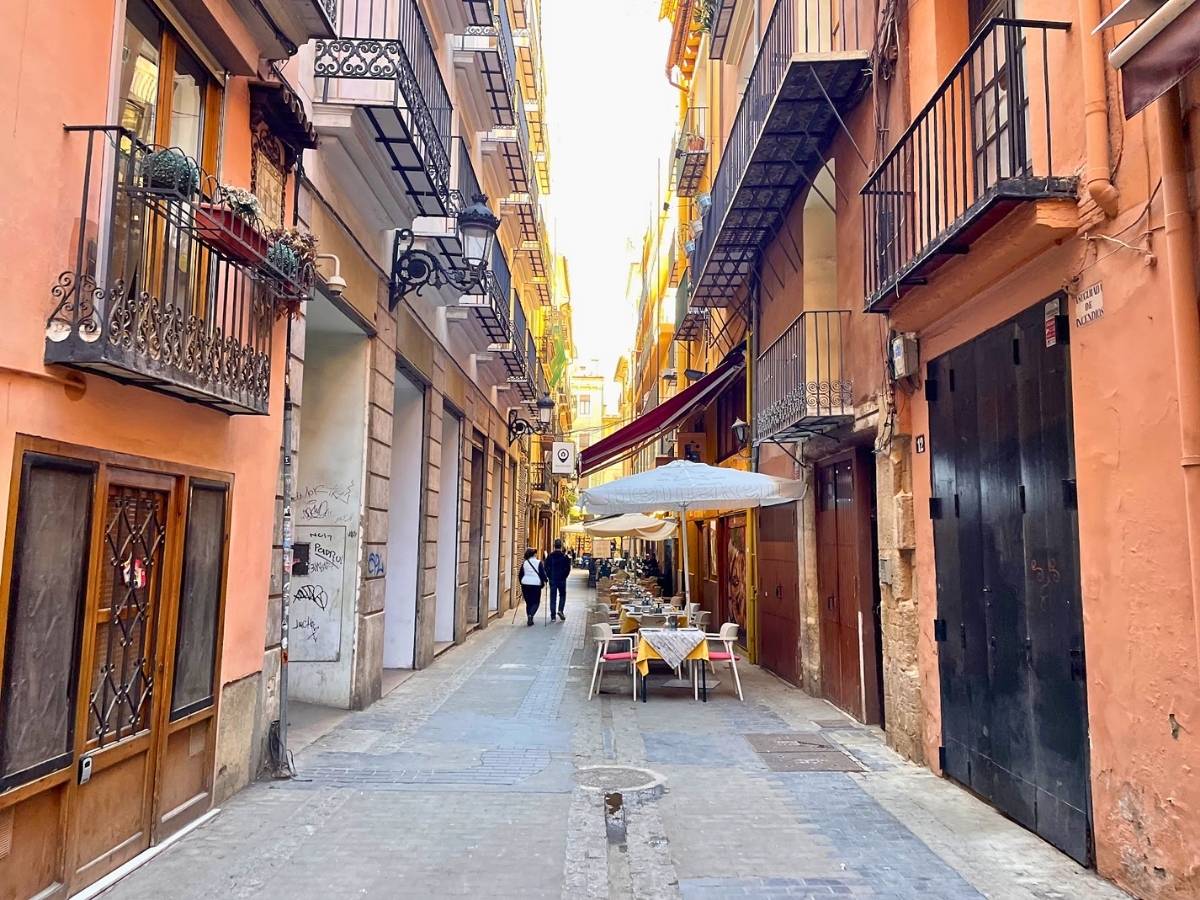
I loved the contrast–one minute you’re wandering ancient cobblestone streets, and the next you’re standing in front of sleek, modern buildings that look straight out of a sci-fi movie.
The city is also full of outdoor plazas, colorful flowers, and expansive green spaces like Turia Park, a former riverbed turned into leafy urban oasis.
Overall, Valencia feels relaxed and sunny, with a very cool mix of beach and city life.
Is Valencia Safe to Visit?
Valencia is generally very safe to visit, and I felt completely comfortable exploring the city as a solo female traveler, even at night.
Like the rest of Spain, it falls under a Level 2 travel advisory from the U.S. Department of State due to terrorism and civil unrest, but that’s standard for most of Europe.
You’ll still want to take basic precautions, but the risk of pickpocketing and petty theft is much lower here compared to bigger cities like Barcelona.

Reasons to Visit Valencia
Here are the top reasons to visit Valencia Spain:
- Sunshine Year-Round: Valencia gets over 300 days of sunshine a year, making it a great destination no matter the season.
- Authentic Paella: It’s the birthplace of paella, so you’ll find some of the most authentic and delicious versions of Spain’s most iconic dish.
- The City of Arts and Sciences: This futuristic mega complex includes a science museum, opera house, IMAX theater, and one of Europe’s biggest aquariums.
- Walkable Historic Center: The old town is full of beautiful architecture, narrow streets, and lively plazas–all easily explored on foot.
- Turia Park: Once a river, Turia Park is now a massive green space that runs through the city, perfect for walking, biking, or just relaxing.
- Beach + City Combo: Valencia has several beaches just a short tram or bike ride from the center, offering the best of both worlds.
- Local Markets: Mercat Central is one of the oldest and most beautiful markets in Europe, filled with fresh produce, local products, and food stalls.
- Less Touristy Than Other Cities: Compared to visiting Barcelona or Madrid, Valencia feels more local and less crowded, which makes exploring more enjoyable.
- Affordable Prices: Hotels, meals, and activities tend to be more budget-friendly here than in Spain’s larger cities.
- Festivals and Events: Valencia is home to Las Fallas, one of Spain’s most unique festivals, featuring fireworks, giant sculptures, and nonstop street parties.

Plan your trip in minutes with my pre-pinned Google Map filled with the best attractions, restaurants, bars, beaches, and hidden gems in Valencia.
- 60+ pre-pinned places so you don’t waste hours planning
- Filter by category to find food, sights, and local favorites
- Personal notes with insider tips for each spot

Who Is Valencia Best Suited For?
Valencia is great for all kinds of travelers whether you’re visiting with your partner, traveling solo, or bringing the whole family.
It’s especially fun for anyone who loves being outdoors, with tons of parks, beaches, and bike-friendly paths to explore.
It’s also pretty affordable, which makes it a solid choice for budget-conscious travelers, but there are lots of nice hotels and restaurants if you’re in the mood to treat yourself.
Plus, it’s super popular with digital nomads thanks to the relaxed pace, good Wi-Fi, and growing coworking scene.

Where is Valencia?
Valencia is located on Spain’s eastern coast, right on the Mediterranean Sea.
It’s in a great spot if you’re planning to visit other coastal cities like Barcelona or Alicante.
It’s also accessible from other major cities in Spain, which makes it an easy add-on to any Spain itinerary.
How to Get to Valencia
Valencia is very well-connected and easy to reach. The nearest airport is Valencia Airport (VLC), located about 6 miles (11 km) west of the city center.
It offers flights to and from various European destinations. For travelers coming from the U.S., you can fly into major hubs like Madrid or Barcelona and then take a domestic flight or train to Valencia.
Personally, I took the Renfe train from Barcelona to Valencia, which took about 3 hours and offered some really beautiful views along the way.

Best Time to Visit Valencia
Valencia has a mild Mediterranean climate, so it’s a great place to visit year-round, but spring and early fall are usually the best.
April to June and September to October offer warm, sunny weather without the intense summer heat.
If you’re visiting in March, you’ll also get to experience Las Fallas–Valencia’s famous festival with fireworks, parades, and massive sculptures set on fire.
Summer can be very hot, and while winter is mild, things tend to slow down a bit outside of the holiday season.

Best Things to Do in Valencia Spain
If you’re wondering what to do in Valencia, here are a few of the top activities:
Explore the Historic City Center
Walk through the old town to see highlights like the Valencia Cathedral, Plaza de la Virgen, and the Gothic-style La Lonja de la Seda (a UNESCO World Heritage Site).
It’s a great area to wander, with beautiful architecture, street life, and tons of outdoor restaurants and bars.

Visit the City of Arts and Sciences
This futuristic complex is one of Valencia’s most iconic spots, home to a science museum, opera house, IMAX theater, and Oceanogràfic, which is Europe’s largest aquarium.
The architecture alone is worth a visit, and there’s so much to see inside too.

Take a Paella Cooking Class or Food Tour
A paella cooking class or guided food tour is a fun way to try local dishes like paella and horchata while learning about Valencia’s food scene.
I went on this food tour and loved getting a guided walking tour of the city, along with a complete wine, tapas, and paella tasting.

Relax at the Beach
Valencia has several city beaches like Malvarrosa and Las Arenas where you can enjoy the sea, walk along the promenade, or grab lunch at a beachfront restaurant.
The beaches in Valencia are incredibly widespread and it’s an easy break from sightseeing and only a short bus, tram, or taxi ride from the center.

Visit Mercat Central
One of Europe’s oldest and most impressive markets, Mercat Central is packed with fresh produce, meats, seafood, and more.
Don’t miss Central Bar, a tapas bar inside the market that is run by Michelin-starred chef Ricard Camarena.

Take a Day Trip to Albufera Natural Park
Just a short drive from the city, Albufera Natural Park is a peaceful escape with rice fields, a freshwater lagoon, and beautiful sunsets.
You can take an Albufera Park jeep tour to explore the park by jeep and boat, as well as enjoy some tapas right by the water.
Where to Stay in Valencia
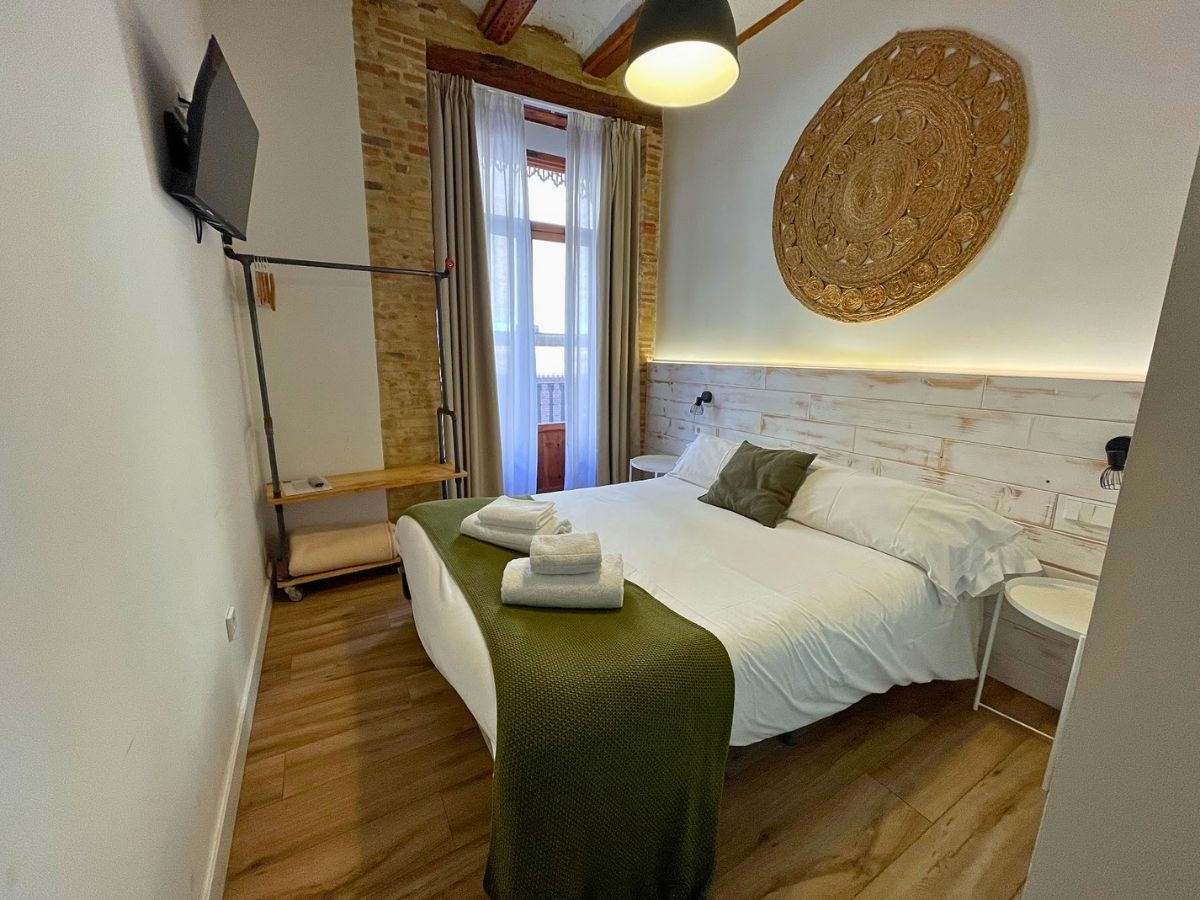
If you’re wondering where to stay in Valencia, here are a few recommendations:
Tip: I’d recommend staying in the Old Town (Ciutat Vella), Eixample, or Ruzafa neighborhoods to be within easy walking distance of all the major attractions.
Tips for Visiting Valencia
Follow these tips to make the most of your Valencia visit:
- Try the local drinks: Don’t leave without tasting horchata, a sweet drink made from tiger nuts, and agua de Valencia, a cocktail made with cava, gin, vodka, and orange juice. Both are local favorites and easy to find around the city.
- Order traditional Valencian paella: The original version includes chicken, rabbit, and snails–not seafood! It’s usually served at lunch, so plan your paella meal accordingly.
- Climb one of the city’s towers: For some of the best views of Valencia, head up the Miguelete Tower or Torres de Serranos. The steps are steep, but the panoramic views are worth it!
- Watch out for bikes: Valencia is a super bike-friendly city, and cyclists are everywhere, even in pedestrian zones. Keep an eye out when crossing bike paths or walking through parks.
- Pack sunscreen and sunglasses: With so many sunny days, you’ll want to pack sunglasses and plenty of sunscreen, even in the cooler months. A hat isn’t a bad idea either if you plan to spend time at the beach or in Turia Park.
- Be prepared for the Valencian language: While most people speak Spanish, Valencian (a regional form of Catalan) is also widely used on signs and around the city. It’s helpful to know that you might see both languages while out and about.

Visiting Valencia Spain: FAQs
Here are the answers to some of the most frequently asked questions about visiting Valencia:
What is so great about Valencia?
Valencia offers a mix of beaches, historic sites, green spaces, and amazing food–all with fewer crowds than other major Spanish cities. It’s sunny, relaxed, and easy to explore.
Is Valencia nicer than Barcelona?
Valencia is smaller and more laid-back than Barcelona, with fewer tourists and a more local feel. It really depends on what kind of vibe you’re looking for.
Why do people visit Valencia?
People visit for the beaches, paella, the City of Arts and Sciences, and the blend of old and modern architecture. It’s also a great spot for outdoor activities and local festivals like Las Fallas.
Is Valencia a walkable city?
Yes, the city center is very walkable with lots to see on foot. But for places like the beach or the City of Arts and Sciences, public transportation or biking is a better option.
Is Valencia safe for solo travelers?
Valencia feels very safe for solo travelers, including women. Like anywhere, it’s smart to take basic precautions, but overall the Spanish city has a relaxed and secure atmosphere.
How many days is enough in Valencia?
2 to 3 days is a great amount of time to see the main sights, try local food, and enjoy the beach or parks without feeling rushed.
Final Thoughts: Is Valencia Spain Worth Visiting?
I hope this guide helped you decide whether Valencia is worth visiting!
From the beaches and green spaces to the food and unique mix of old and new, it’s a city that really surprised me in the best way.
Whether you’re stopping by for a few days or adding it to a longer Spain itinerary, a Valencia trip is definitely worth a spot on your list.
READ NEXT:

