
15 Best Places to Visit in Southern Spain

Southern Spain is definitely one of my favorite parts of the country, with historic cities, whitewashed villages, gorgeous beaches, and some seriously impressive landscapes.
I live in Spain and have spent a lot of time exploring different destinations throughout the south.
In this guide, I’m sharing the best places to visit in southern Spain, from popular cities to smaller towns and coastal spots worth adding to your itinerary.
Here are 15 places in southern Spain to put on your list.
Best Places to Visit in Southern Spain
Most of the destinations on this list are in Andalusia, which is the name of the large region that covers much of southern Spain.
However, southern Spain also extends into other regions, so there are a few places beyond Andalusia worth considering for your trip.
1. Seville


- 📍 Location: Google Maps
- 🏖️ Beach? No
- ✨ Vibe: Romantic, sunny, and classic southern Spain
Seville (or Sevilla in Spanish) is the capital of Andalusia and one of my favorite cities in Spain.
The city is known for flamenco, colorful tilework, orange trees, beautiful plazas, and some seriously impressive architecture.
Many of the top attractions in Seville are right in the historic center, including the Royal Alcázar, with its detailed tilework and gardens, and the massive Seville Cathedral, where you can climb La Giralda for views over the city.
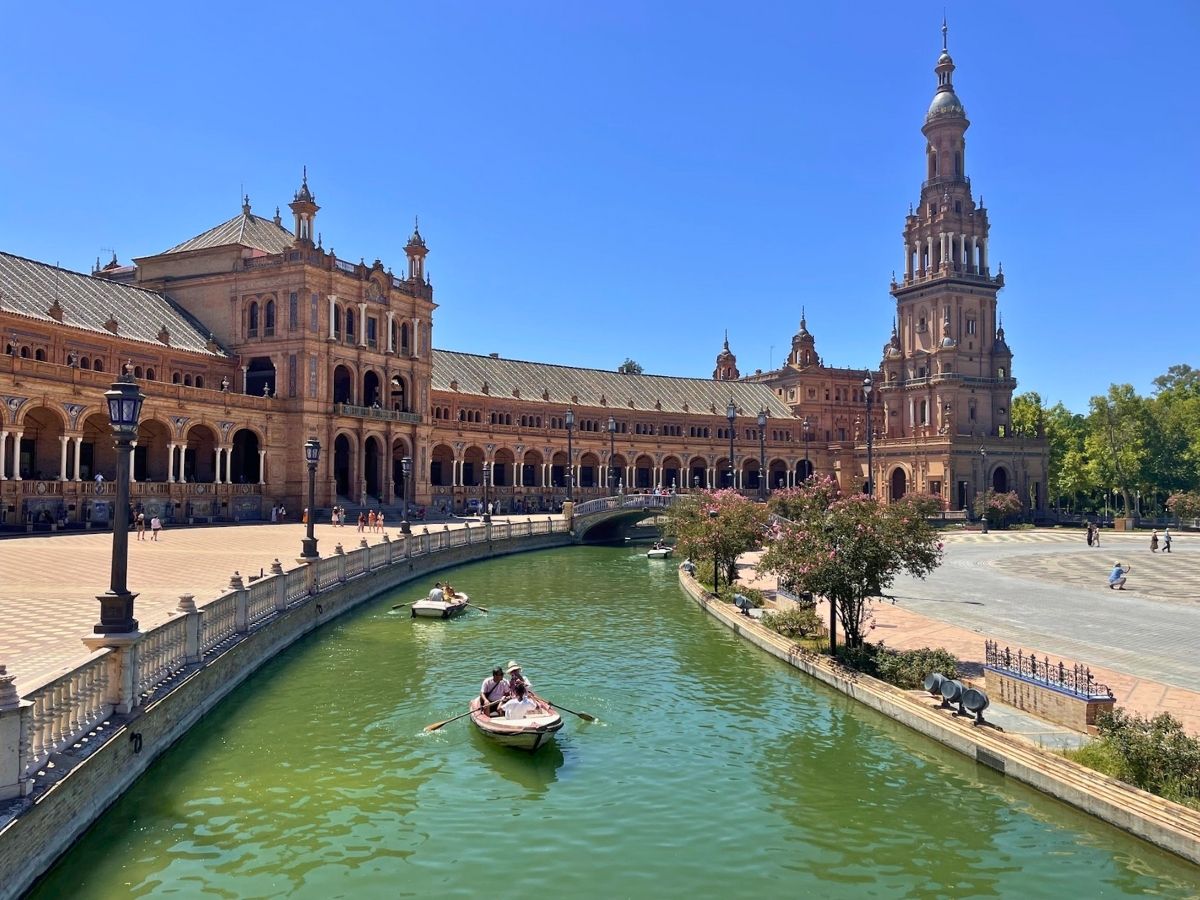
Plaza de España is another absolute must-see, with its tiled bridges, canal, and huge curved building surrounding the plaza.
And at night, you can head out for tapas before seeing a live flamenco show.
I’d recommend spending at least two days in Seville to see the main sights, although you could definitely stay longer.
Just keep in mind that Seville gets extremely hot during the summer months.
2. Granada


- 📍 Location: Google Maps
- 🏖️ Beach? No
- ✨ Vibe: Historic, atmospheric, and dramatic
Granada sits at the base of the Sierra Nevada mountains and is one of the most unique cities in Spain.
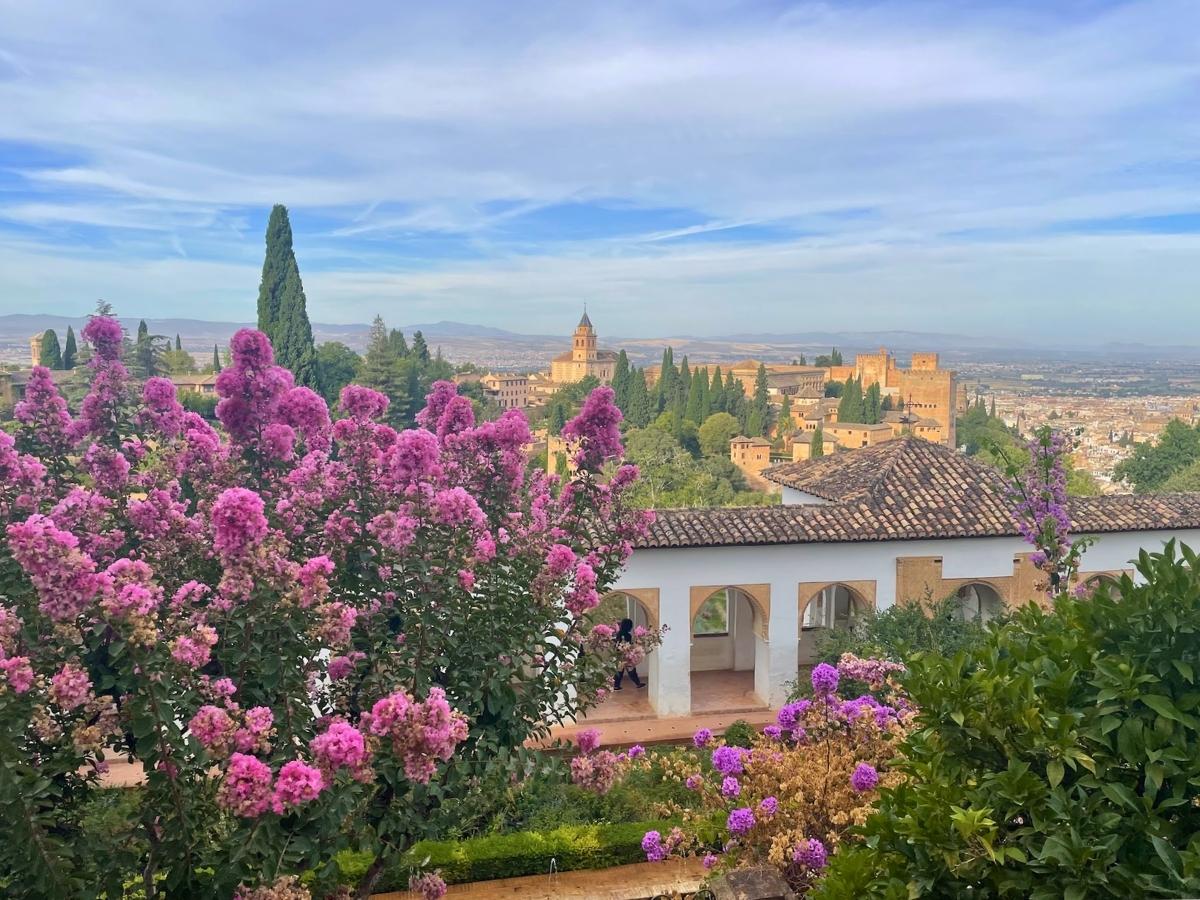
The city has a strong Moorish influence that you’ll see throughout its architecture, especially at the Alhambra.
This massive palace and fortress complex is seriously one of the most impressive monuments in Spain that I’ve ever visited, with ornate palaces, beautiful gardens, and views overlooking Granada.
You’ll also want to spend some time exploring the Albaicín, a historic hillside neighborhood filled with narrow streets and viewpoints overlooking the Alhambra.
It’s really beautiful around sunset when you can see the palace with the Sierra Nevada mountains in the background.
Granada is also famous for its tapas culture, and many local bars still serve a free tapa when you order a drink.
3. Córdoba


- 📍 Location: Google Maps
- 🏖️ Beach? No
- ✨ Vibe: Relaxed, historic, and easygoing
Córdoba doesn’t always get as much attention as some of southern Spain’s bigger cities, but it’s definitely worth adding to your itinerary.
The main attraction is the Mezquita-Cathedral, a former mosque that was later converted into a cathedral and is famous for its seemingly endless rows of red and white arches.
It’s one of the most impressive buildings in the city and definitely something you need to see in person.
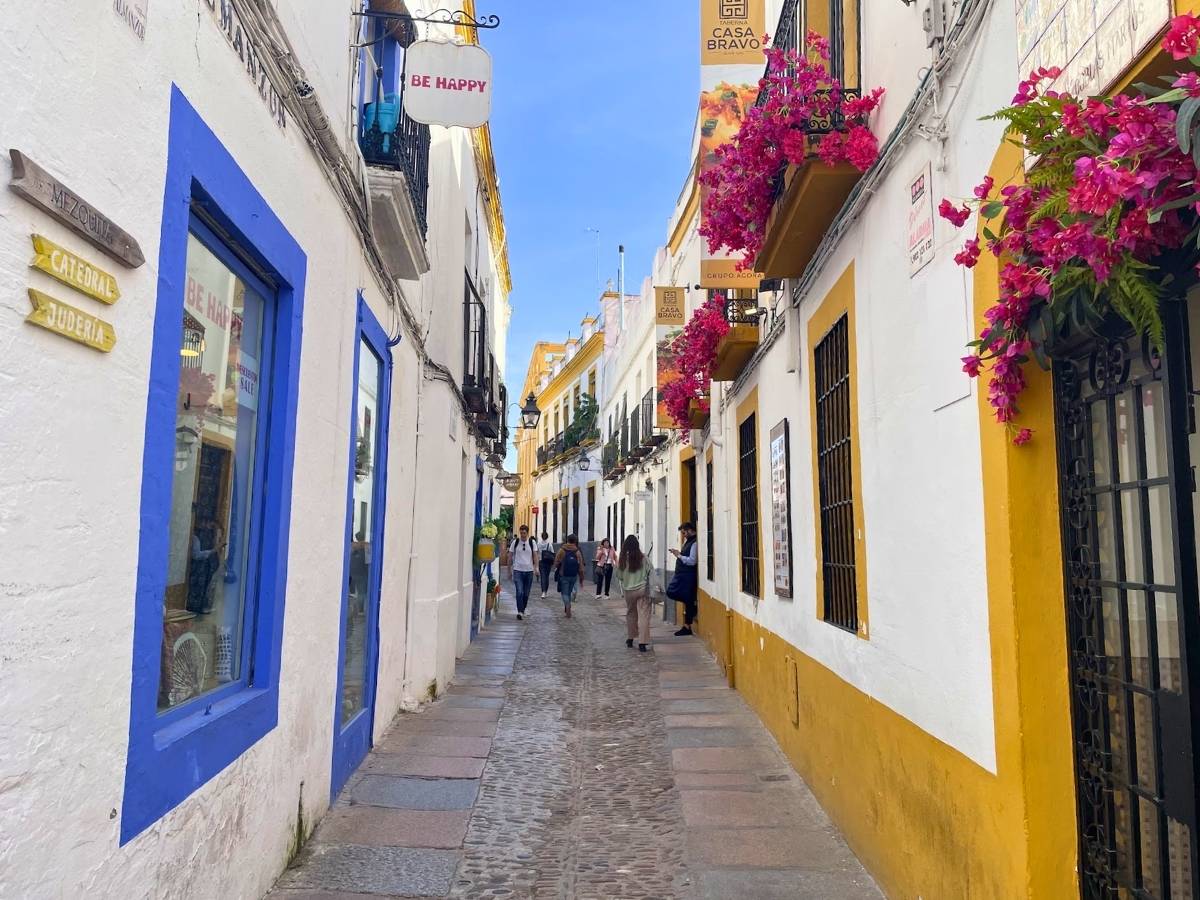
Córdoba also has a super walkable historic center, where you can explore the narrow streets of the Jewish Quarter and the flower-filled patios of the San Basilio neighborhood.
If you visit in May, you can experience the annual Patio Festival, when locals open their decorated courtyards to the public.
The city is smaller and more relaxed than Seville or Granada, so it also works really well as a day trip or overnight stop.
4. Málaga


- 📍 Location: Google Maps
- 🏖️ Beach? Yes
- ✨ Vibe: Laid-back coastal city with lots going on
Málaga is a port city on the Costa del Sol that combines a historic city center with beaches right along the Mediterranean.
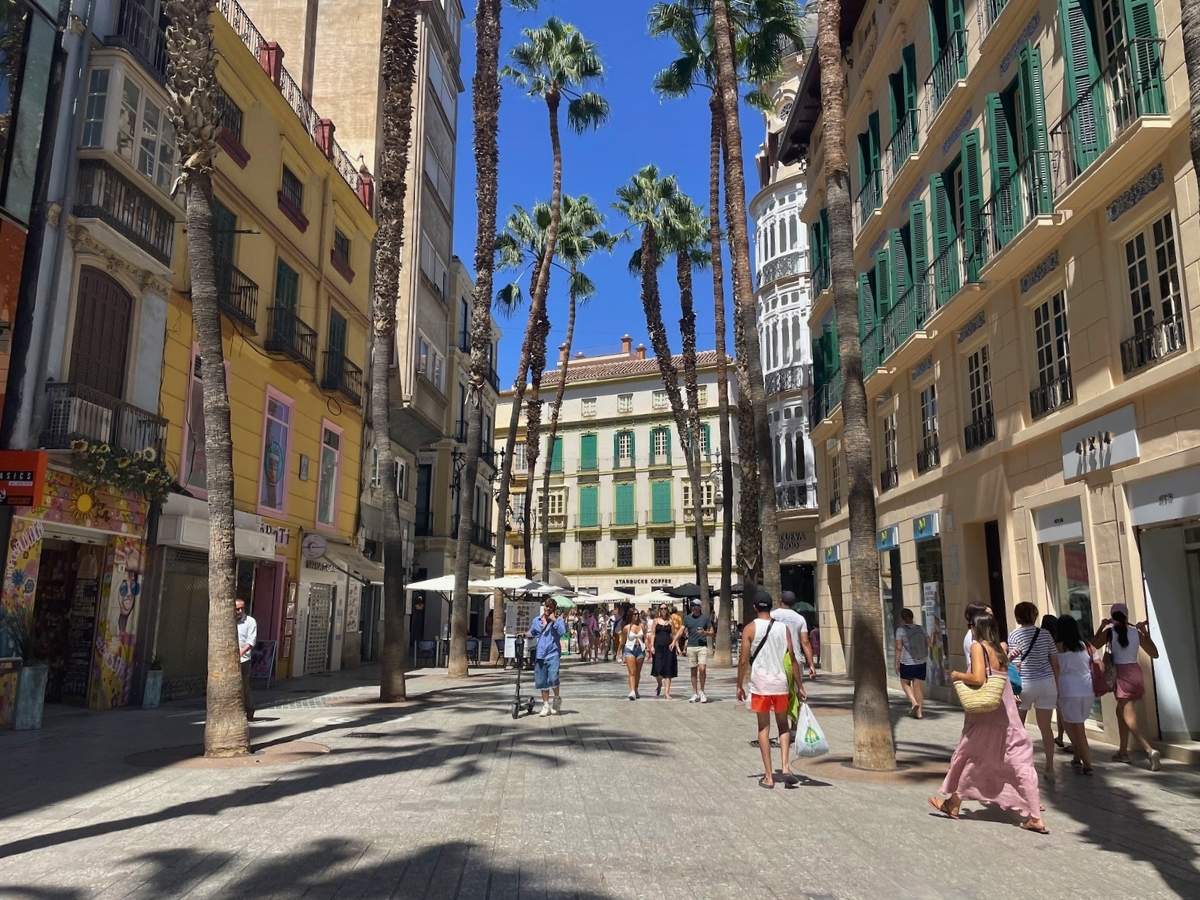
The historic center is super walkable, with museums, restaurants, rooftop bars, and historic sites all close together.
Two of the biggest attractions in Málaga are the Alcazaba and Gibralfaro Castle, where you can explore the old Moorish fortifications and get some of the best views over the city.
Málaga is the birthplace of Pablo Picasso, so you can also visit the Picasso Museum before heading down to La Malagueta Beach, which is just a short walk from the center.
Málaga is also really well connected by train, bus, and plane, which makes it a great base for exploring more of southern Spain.
5. Ronda

- 📍 Location: Google Maps
- 🏖️ Beach? No
- ✨ Vibe: Scenic, historic, and small town charm
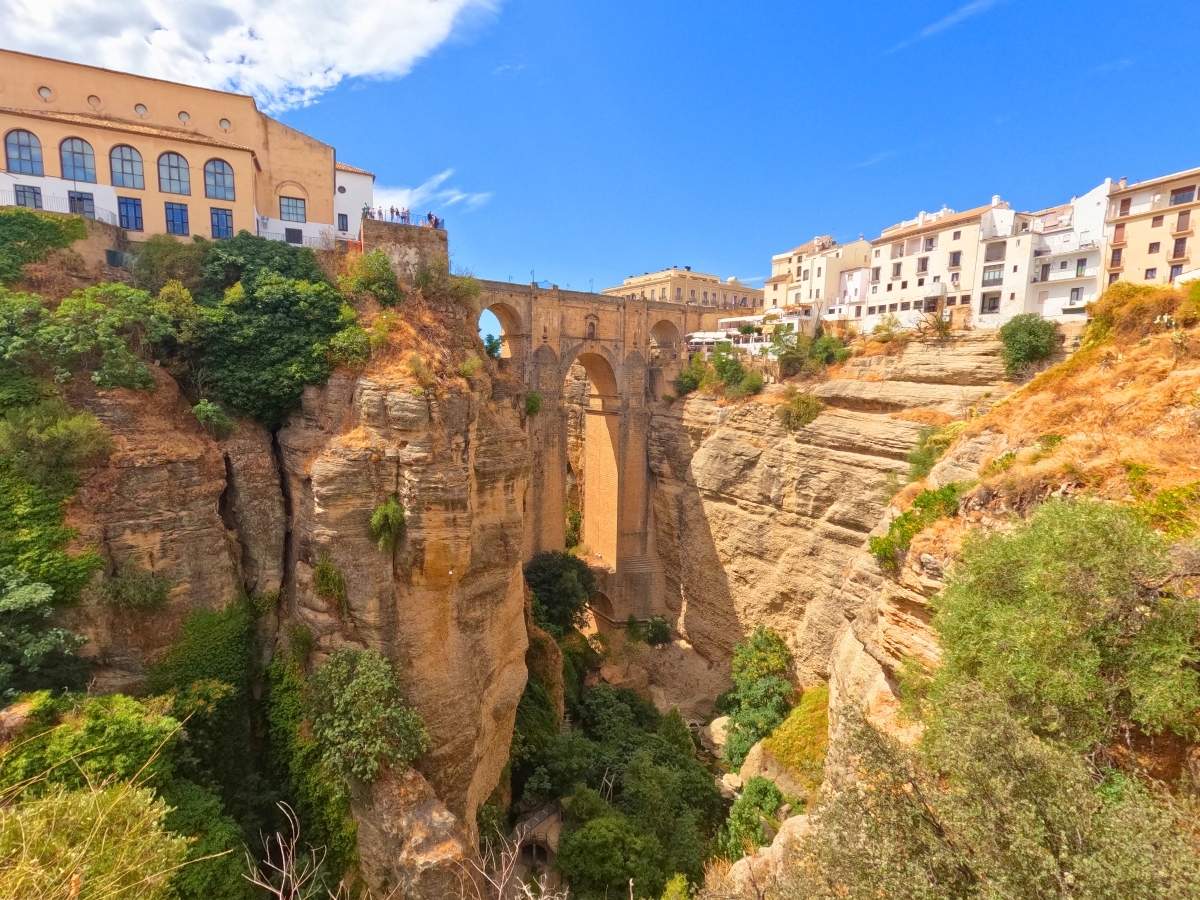
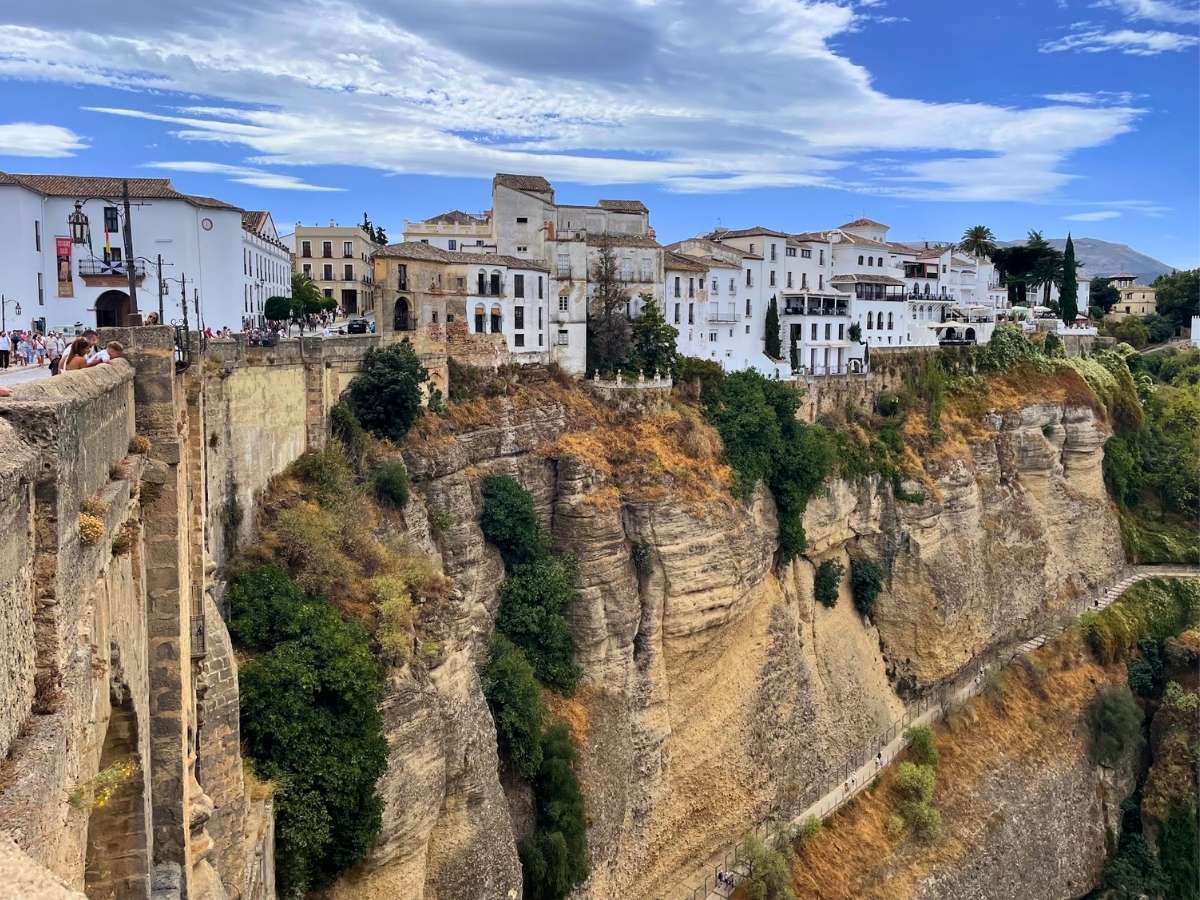
Ronda is a dramatic mountaintop town and one of the most beautiful cities to visit in Spain.
It’s best known for Puente Nuevo, the massive stone bridge that crosses the deep El Tajo gorge and connects the two sides of town.
There are several viewpoints around Ronda where you can see the bridge and surrounding mountains from different angles.
You can also visit the ancient Arab Baths, walk through the old town, and tour Plaza de Toros, one of Spain’s oldest bullrings.
It’s a popular day trip from Seville, and you can see most of the highlights in one day.
6. Cádiz
- 📍 Location: Google Maps
- 🏖️ Beach? Yes
- ✨ Vibe: Historic seaside city with a relaxed local feel
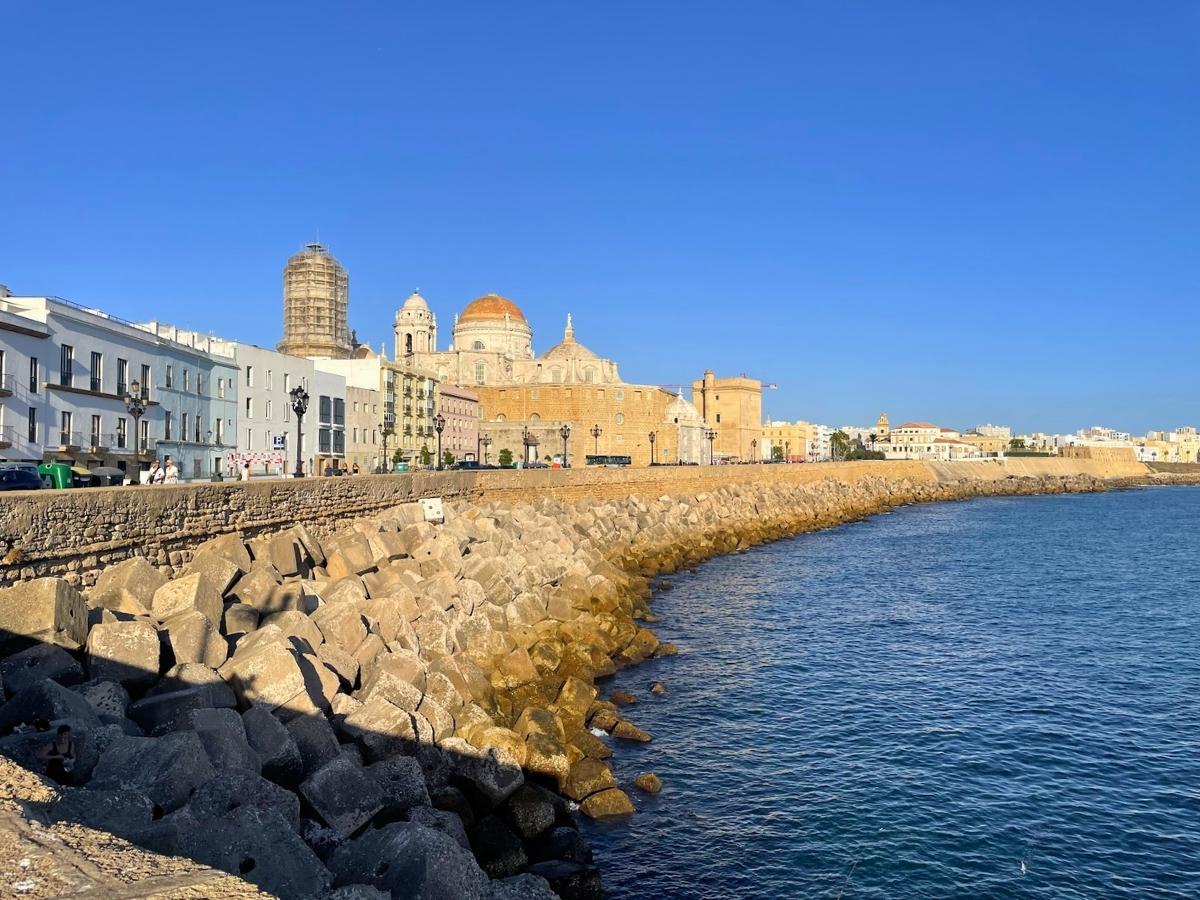
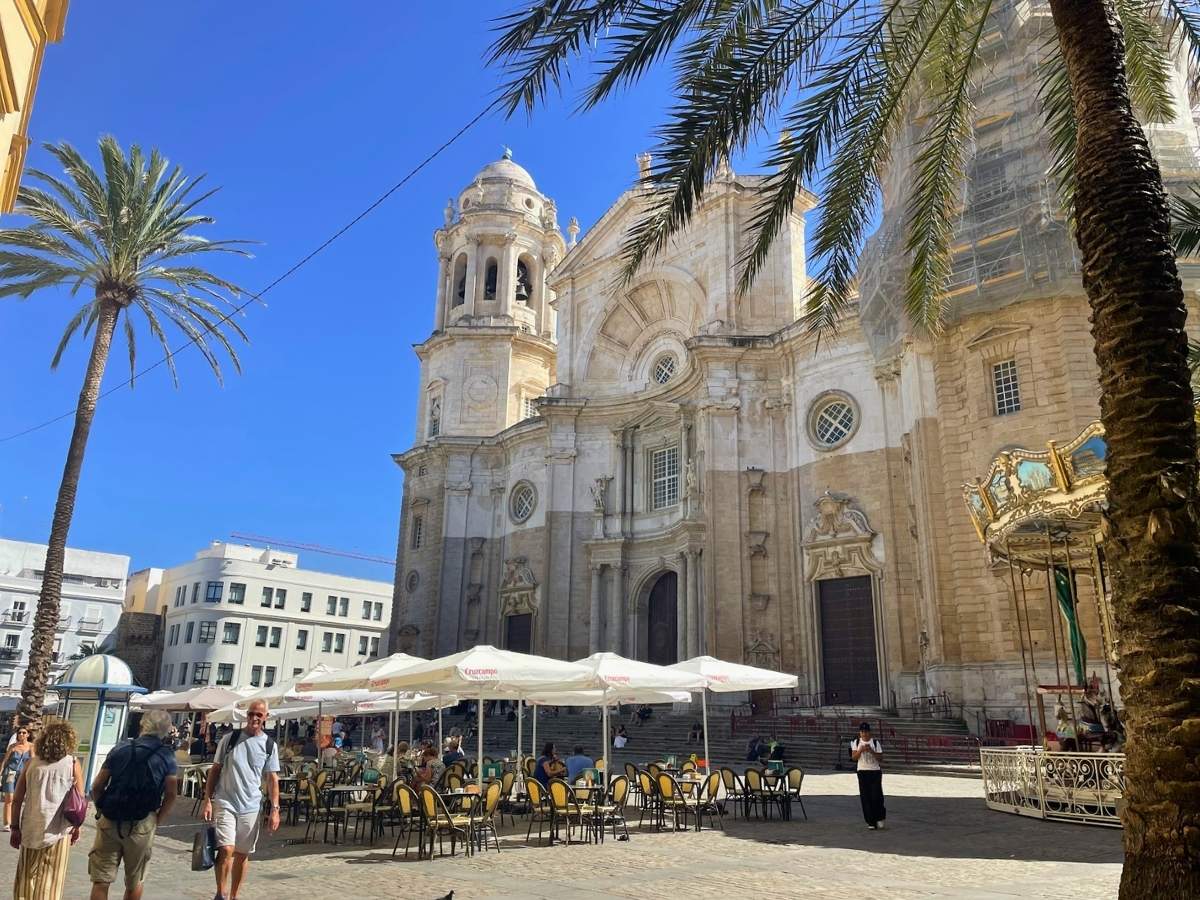
Cádiz is one of the oldest cities in Western Europe, with a historic center sitting on a narrow peninsula surrounded by the Atlantic Ocean.
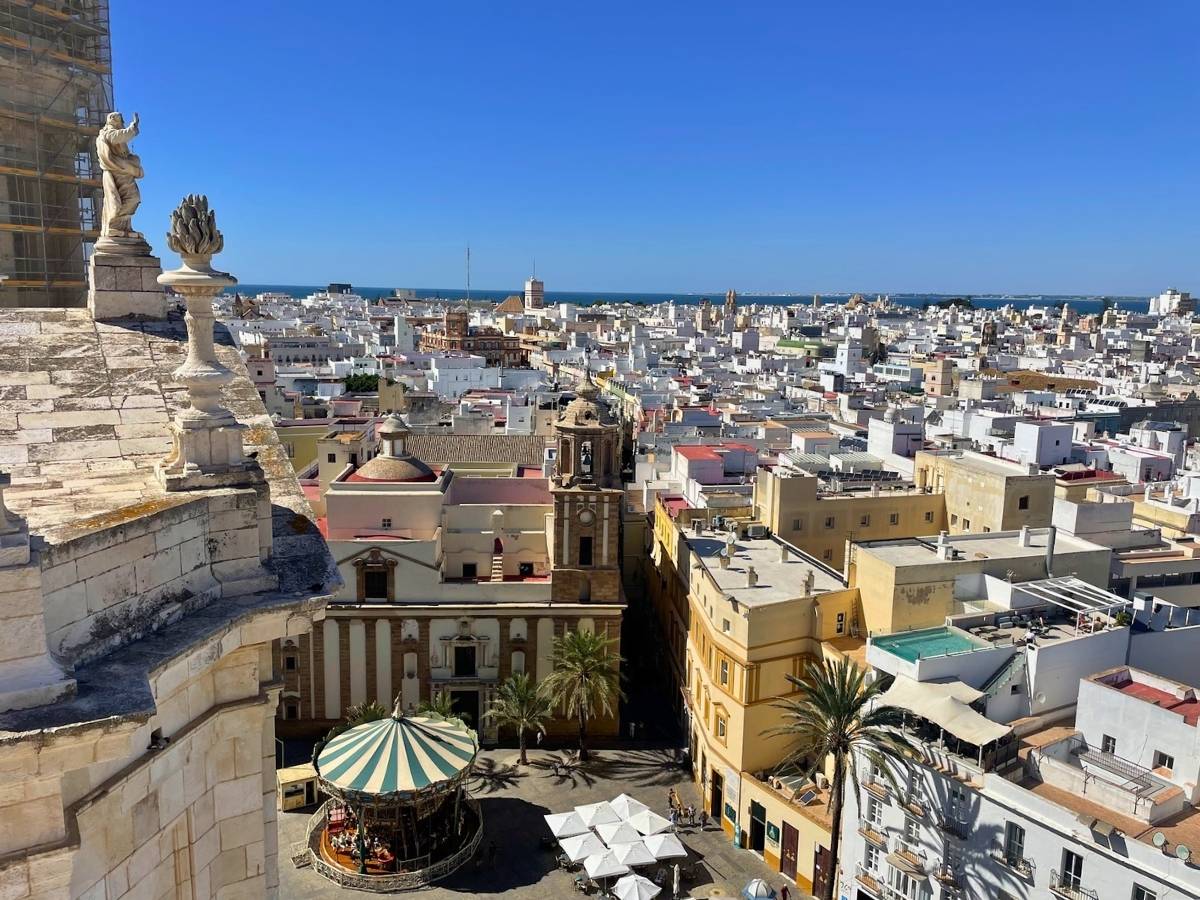
The Old Town is compact and walkable, with narrow streets, palm-lined plazas, local markets, and the golden dome of Cádiz Cathedral rising above the rooftops.
You can climb the cathedral’s bell tower for views over the city or head to Torre Tavira, the highest historic watchtower in Cádiz, for another great viewpoint.
There’s also a lot of history here, including the remains of a Roman theater that dates back to the 1st century BC.
When you’re ready for a break, stop by Mercado Central to sample local foods or head to La Caleta, a city beach that’s especially popular around sunset.
Cádiz feels more relaxed and less touristy than many of southern Spain’s better-known destinations, which makes it a great place to slow down for a day or two.
7. Nerja

- 📍 Location: Google Maps
- 🏖️ Beach? Yes
- ✨ Vibe: Relaxed beach town with rocky coves and coastal views
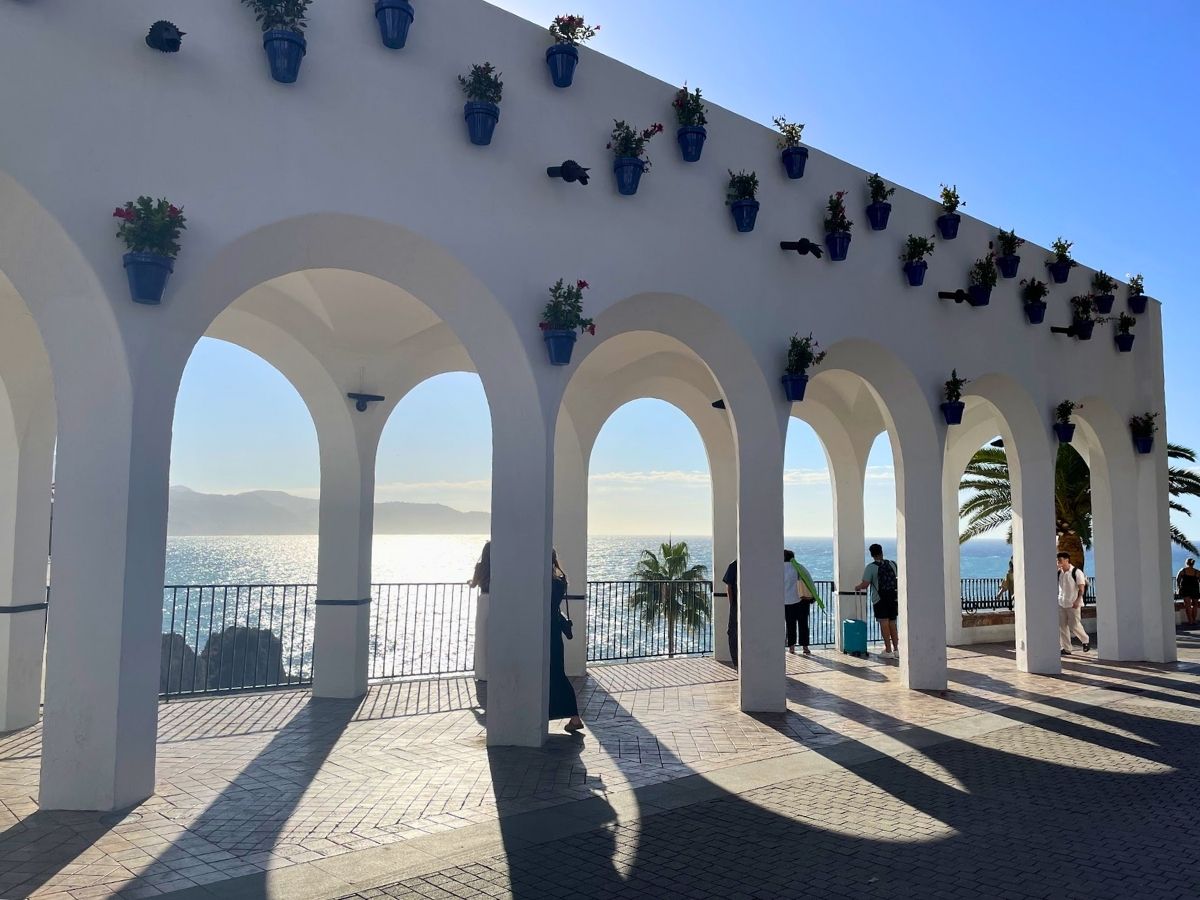
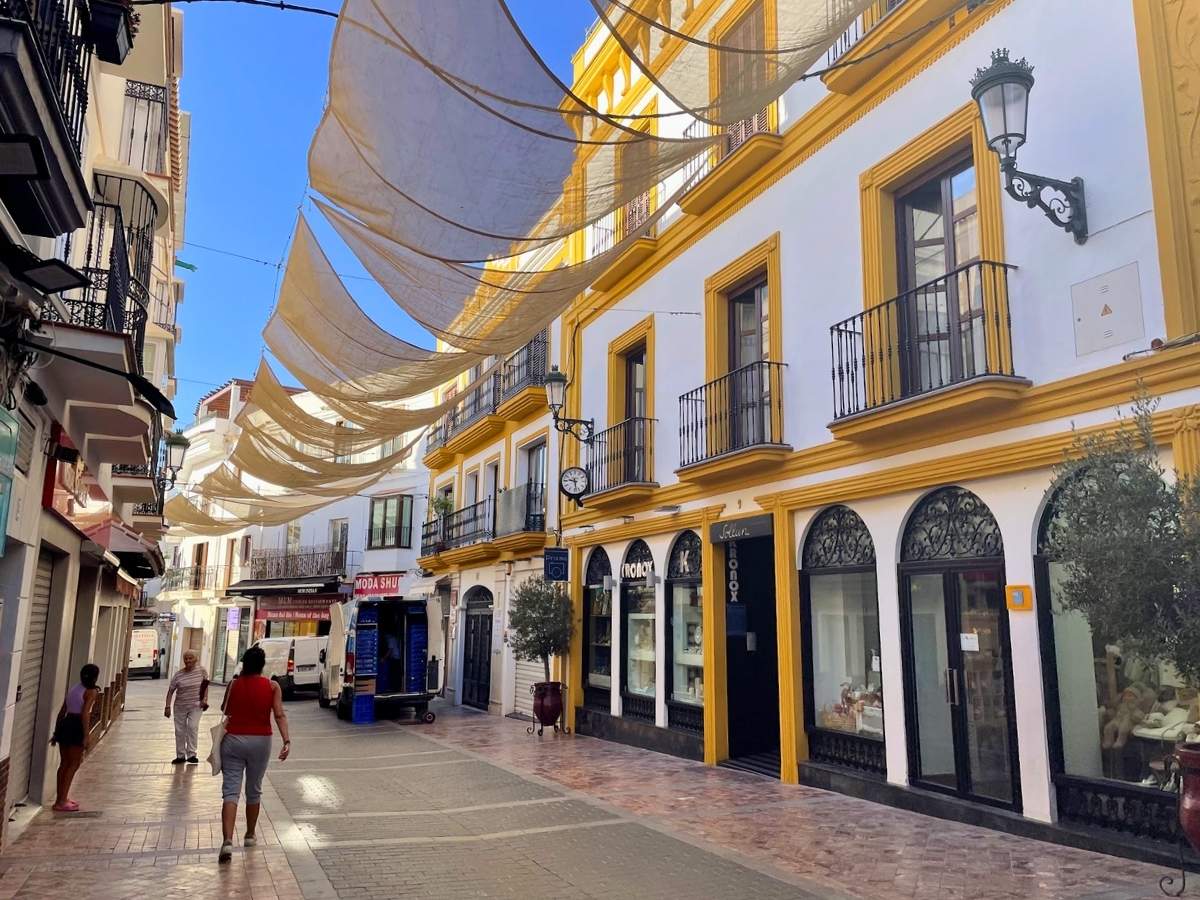
Nerja is a stunning coastal town on the Costa del Sol, with whitewashed buildings, small beaches, and clear blue water.
The most famous spot in town is the Balcón de Europa, a cliffside viewpoint overlooking the Mediterranean and rocky coastline.
From there, you can wander through the surrounding streets or head down to one of the small beaches and coves nearby.
Playa de Burriana is one of the most popular beaches in Nerja, with restaurants, sunbeds, and water activities.
Just outside town are the Cuevas de Nerja, a huge cave system filled with impressive stalactites and stalagmites.
Nerja works really well as a day trip from Málaga, or you can stay a night or two if you want more time at the beach.
8. Marbella

- 📍 Location: Google Maps
- 🏖️ Beach? Yes
- ✨ Vibe: Glamorous, upscale, and sunny
Marbella is a glamorous resort town along the Costa del Sol, known for luxury hotels, beach clubs, designer shopping, and yacht life.
I visited on a day trip and really loved the Old Town, which feels completely different from the glitzier side of Marbella.
The historic center is filled with whitewashed buildings, flower-covered balconies, cobblestone streets, and small plazas.
For a completely different side of Marbella, head to Puerto Banús, the upscale marina lined with luxury yachts, designer stores, restaurants, and bars.
You can also spend some time at the beach or book a day at one of Marbella’s beach clubs.
Marbella is a good choice if you want a more upscale beach experience.
9. Alicante


- 📍 Location: Google Maps
- 🏖️ Beach? Yes
- ✨ Vibe: Easygoing, sunny, and low key
Alicante sits along the Costa Blanca (not Andalusia), and it’s where I studied abroad, so it definitely holds a special place in my heart!
The city is smaller and known for its beaches so it’s a good place for a more relaxed beach escape.
Some of the best things to do in Alicante include walking along the palm-lined Explanada de España, exploring the streets around the Old Town, and hiking up to Santa Bárbara Castle for some of the best views over Alicante and the Mediterranean.
And if you want to explore more of the Costa Blanca, Alicante’s tram makes it pretty easy to visit other beach towns along the coast like Benidorm or Villajoyosa.
10. El Caminito del Rey


- 📍 Location: Google Maps
- 🏖️ Beach? No
- ✨ Vibe: Adventurous hike through dramatic mountain scenery
Unlike most of the places on this list, Caminito del Rey isn’t a town or city.
It’s a famous hiking trail built along the cliffs of a narrow gorge in the province of Málaga.
The walkway was once known as one of the most dangerous in the world, but it has since been completely rebuilt and is now a safe, regulated trail.
The entire one-way route is about 7.7 km (4.8 miles) and takes you through cliffside boardwalks, forest paths, and canyons surrounded by huge rock formations.
The most exciting part comes toward the end, when you cross a suspension bridge high above the gorge.
It’s a great addition to a southern Spain itinerary if you want to break up all the cities and sightseeing with something more outdoorsy and adventurous.
11. Mijas
- 📍 Location: Google Maps
- 🏖️ Beach? No
- ✨ Vibe: Traditional white village with beautiful coastal views
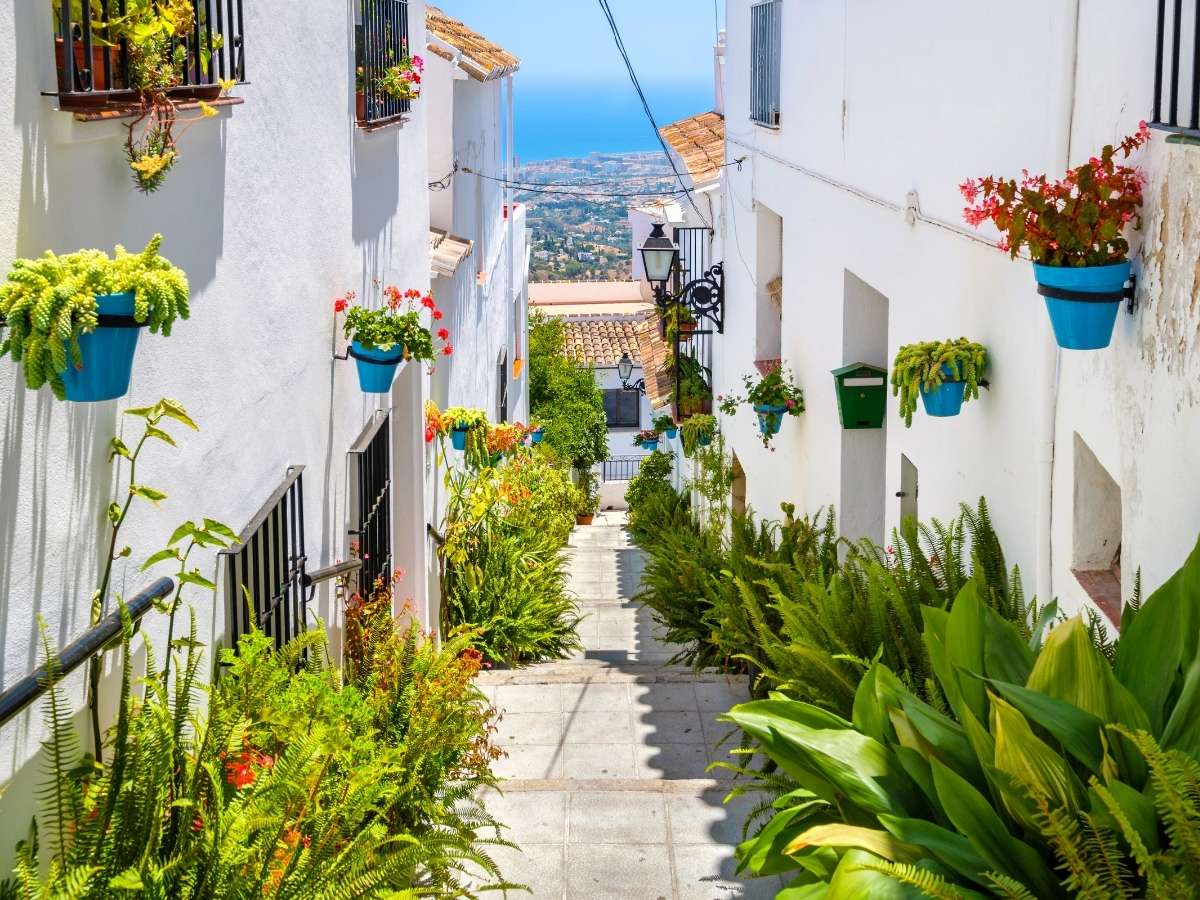
Mijas is a classic whitewashed Andalusian village set in the hills above the Costa del Sol.
It’s pretty small, so it’s a popular stop on day trips from Málaga or Marbella.
The Old Town, known as Mijas Pueblo, is filled with narrow streets, white buildings, colorful flower pots, ceramics shops, and small tapas bars.
As you walk around, you’ll also find several viewpoints overlooking the coastline and Mediterranean Sea, including Mirador del Compás.
Mijas doesn’t require a ton of sightseeing, so I’d mostly come here to wander around, enjoy the views, and experience a smaller Andalusian town away from the bigger cities in Spain.
12. Setenil de las Bodegas

- 📍 Location: Google Maps
- 🏖️ Beach? No
- ✨ Vibe: Unique white village built into the rocks
Setenil de las Bodegas is one of the most unique white villages in Andalusia, known for its houses and streets built directly beneath massive rock overhangs.
The most famous areas are Calle Cuevas del Sol and Calle Cuevas de la Sombra, where you’ll find whitewashed homes, shops, and restaurants built right into the cliffs.
You can also walk uphill through the village for views over the surrounding countryside.
Setenil is small enough to explore in a few hours and is often combined with nearby Ronda on a day trip.
13. Zahara de la Sierra


- 📍 Location: Google Maps
- 🏖️ Beach? No
- ✨ Vibe: Tiny white village with mountain views
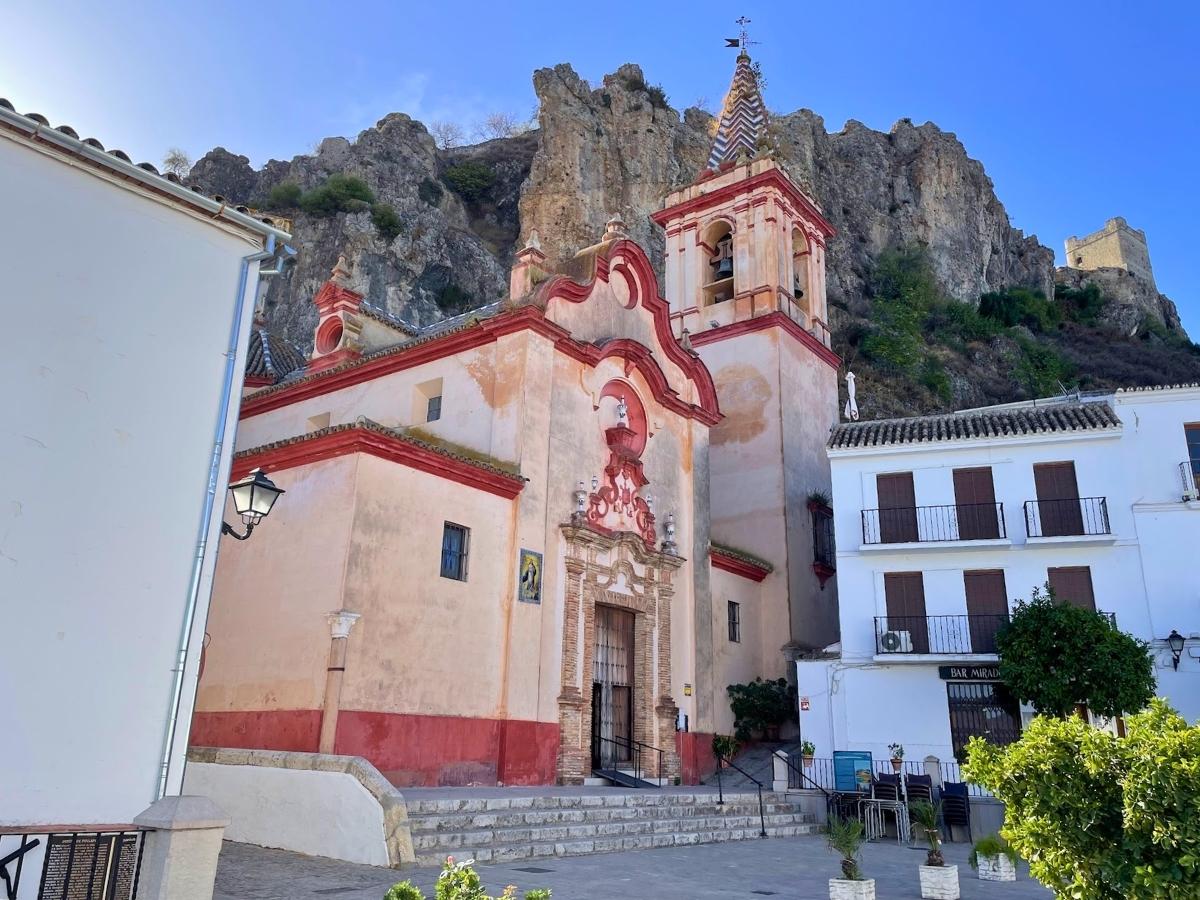
Zahara is a small whitewashed village sitting on a hillside overlooking a reservoir and the surrounding mountains.
I visited on a day trip to Ronda from Seville and thought it was really cute, but you don’t need a ton of time here.
You can wander through the whitewashed streets, stop at a viewpoint, and walk up toward the remains of the Moorish castle above town.
Zahara is a great quick stop if you’re exploring the white villages of Andalusia or combining several places on a day trip.
14. Jerez de la Frontera
- 📍 Location: Google Maps
- 🏖️ Beach? No
- ✨ Vibe: Historic city known for sherry, flamenco, and horses
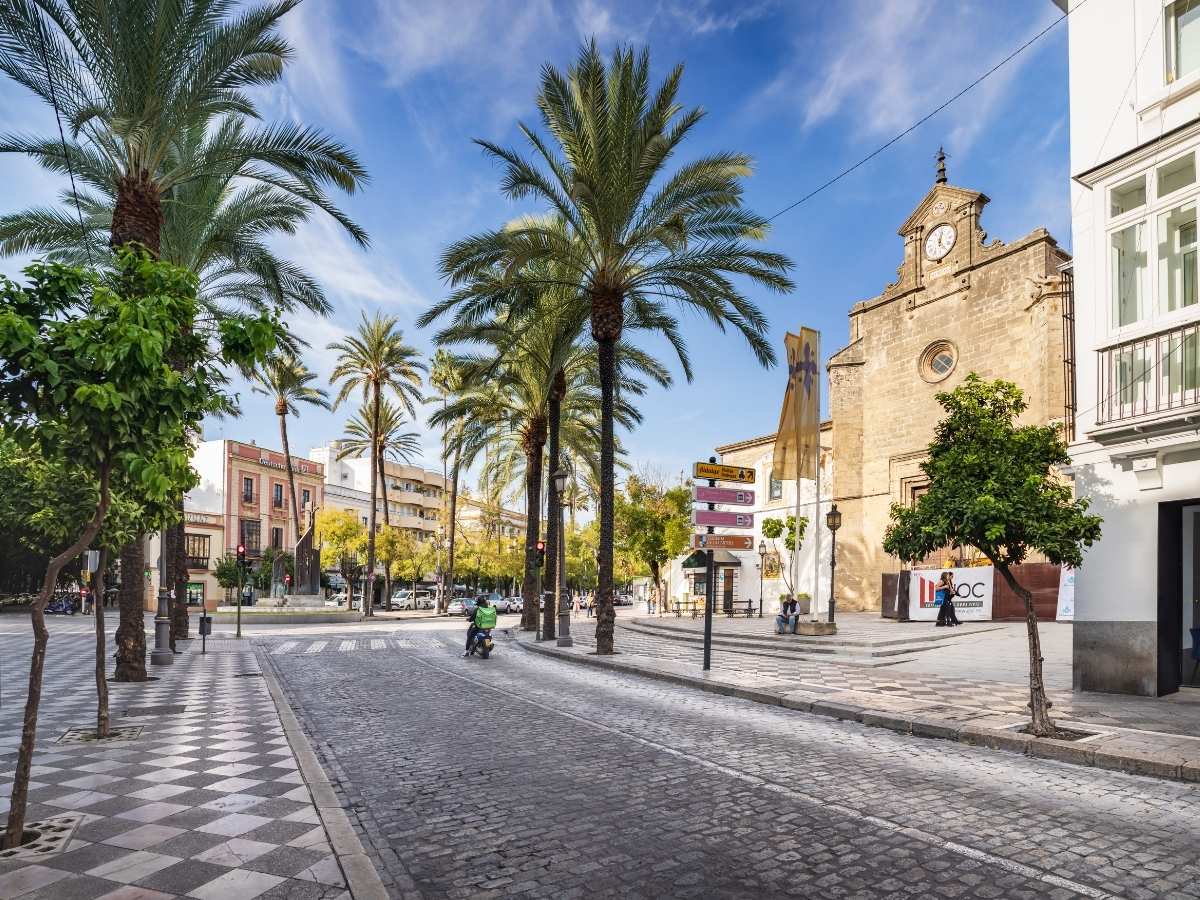
Jerez de la Frontera is a historic Andalusian city best known for sherry wine, flamenco, and its famous Andalusian horses.
Sherry has been produced around Jerez for centuries, and you can visit several traditional bodegas around the city for cellar tours and tastings.
You can also see the famous Andalusian horse show at the Royal Andalusian School of Equestrian Art, where trained horses perform to traditional Spanish music.
The historic center is also worth exploring, with plazas, churches, tapas bars, and the Alcázar of Jerez.
Jerez is very close to Cádiz and connected by train, so the two are really easy to combine on the same trip.
15. Tarifa

- 📍 Location: Google Maps
- 🏖️ Beach? Yes
- ✨ Vibe: Laid-back beach town with a surfy feel
Tarifa sits at the southern tip of Spain, where the Mediterranean Sea meets the Atlantic Ocean.
It’s known for its long sandy beaches and water sports, especially kitesurfing and windsurfing.
The small historic center is filled with whitewashed buildings, narrow streets, restaurants, and bars.
Tarifa is also one of the main gateways between Spain and Morocco, with ferries crossing the Strait of Gibraltar to Tangier.
I visited on my way to Tangier, and on a clear day, you can even see the coast of Morocco across the water.
It’s a great stop if you want to take a day trip to Morocco and cross another continent (Africa!) off your list.
Final Thoughts: Best Places to Visit in Southern Spain
There are so many beauitful places to visit in southern Spain, but if it’s your first trip, I’d definitely prioritize Seville, Granada, and Córdoba.
These three cities have some of the region’s most impressive historic sites and are also well connected by train.
If you have more time, renting a car gives you a lot more flexibility to explore smaller towns and white villages that can be harder to reach by public transportation.
A southern Spain road trip is a great way to combine the bigger cities with coastal towns, mountain villages, and a few stops that are a little more off the main tourist route.
No matter how you plan your trip, southern Spain is definitely a part of the country I think you’ll want to come back to!
READ NEXT:

