
How to Buy Train Tickets in Spain (Step-by-Step Guide)

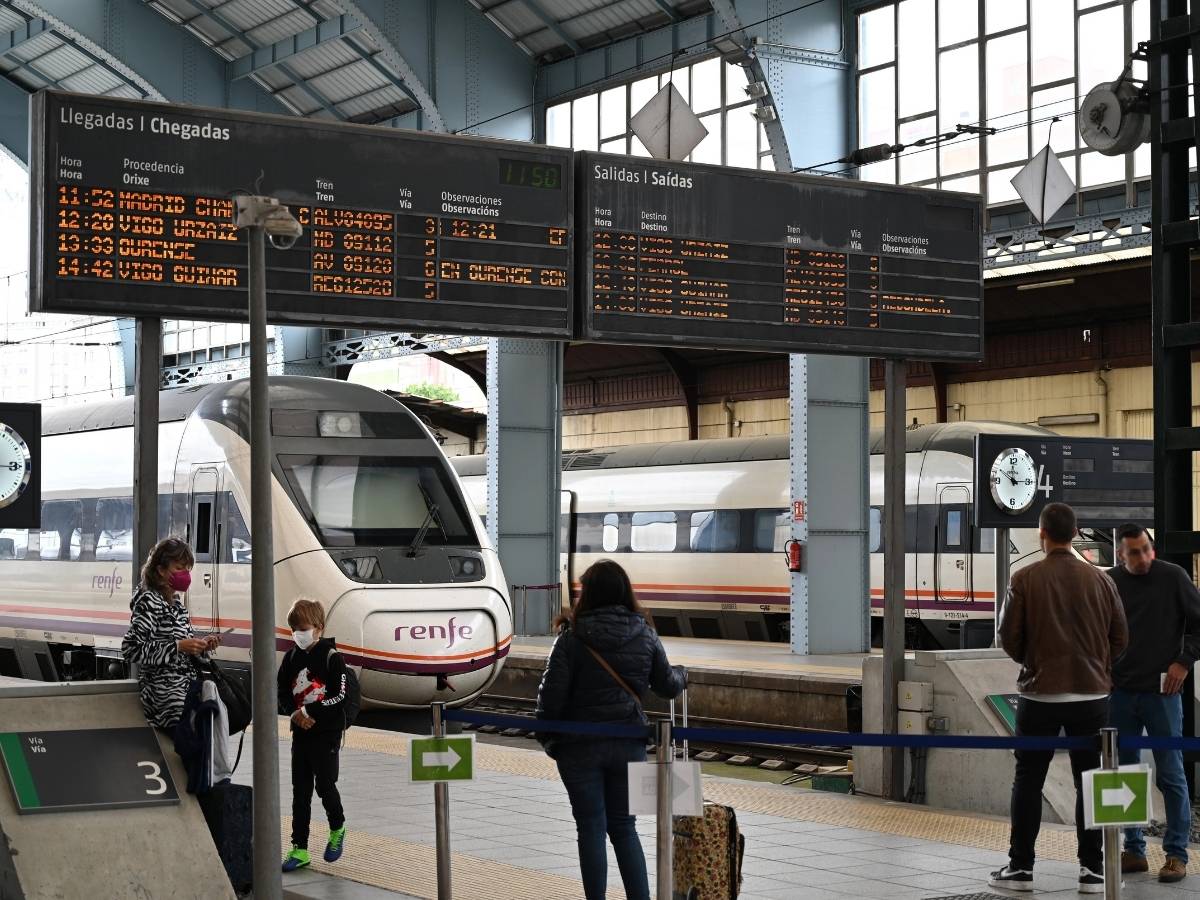

If you’re traveling around Spain, taking the train is one of the easiest and fastest ways to get between cities.
I live in Spain and use the train system all the time, and once you understand where to book and how tickets work, it’s actually very straightforward.
Between multiple operators, ticket types, and high speed routes, it can feel confusing at first, but I’ll walk you through everything step by step.
By the end of this guide, you’ll know exactly how to buy train tickets in Spain. I’ll also share some helpful tips to save you time and money.
Where to Buy Train Tickets in Spain
There are two main ways to buy train tickets in Spain: using a third party booking site or booking directly with the train operators themselves.
Option 1: Third-Party Booking Sites
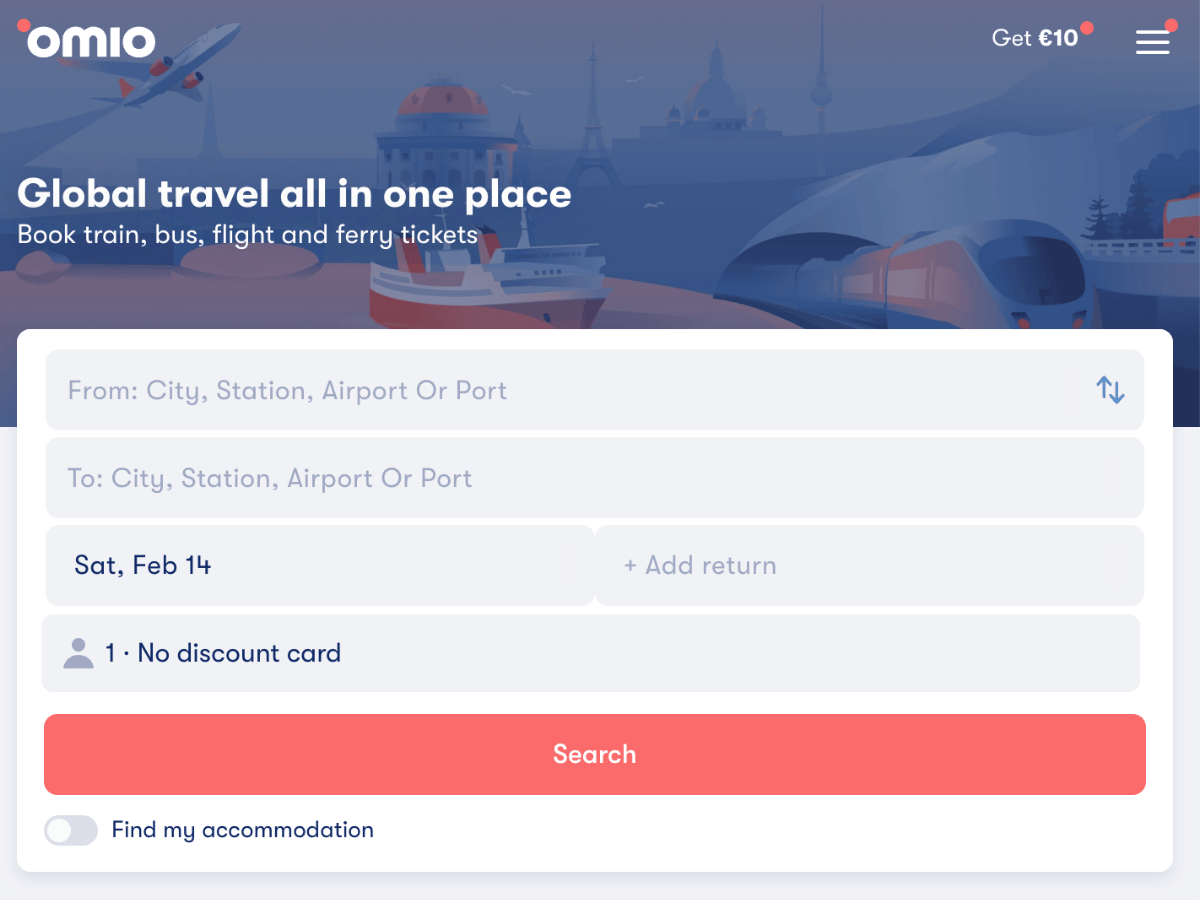
Third party platforms like Omio let you see schedules and prices for multiple train companies all in one place.
The biggest advantage is convenience because you can easily compare departure times, operators, and prices without jumping between several websites.
The interface is very user friendly, fully in English, and sometimes they offer discount codes that can save you money.
Even if you prefer booking directly, it’s a great starting point to see what trains are available on your route.
The only downside is that it costs a tiny bit more, but for many people the convenience is worth it.
Option 2: Booking Directly with Train Operators
Alternatively, you can book directly with train operators.
Spain’s major train companies all have English versions of their websites, and honestly, booking direct is not that hard.
The main drawback is that if you’re comparing multiple companies, you’ll need to check more than one website.
That’s why I often use a third party site like Omio to compare schedules first, then book direct if I want.

Major Train Operators in Spain
Here’s a breakdown of the major train operators in Spain:
- Renfe: Renfe is the main Spanish national train company and runs the majority of train services across the country, including high speed AVE trains, long distance routes, and regional trains. Renfe also owns Avlo, which is its low cost high speed option with cheaper tickets and fewer extras. Renfe is by far the largest operator so you will most likely be using Renfe trains for train travel in Spain.
- Iryo: Iryo is a newer high speed operator with modern trains and competitive prices on popular routes from major cities. I’ve taken Iryo multiple times from Barcelona to Madrid because it’s usually the cheapest option.
- Ouigo: Ouigo is a budget focused high speed train company offering lower fares on major routes, especially from Madrid and Barcelona.

Which Trains Are High Speed?
Not every train in Spain is high speed, but the major long distance routes usually are.
Here’s how it breaks down:
- Renfe: High speed trains are AVE and Avlo
- Iryo: Trains are all high speed
- Ouigo: Trains are all high speed
These trains are called “alta velocidad” and connect big cities like Barcelona, Madrid, Seville, Valencia, Málaga, Zaragoza, and more.
But one thing to keep in mind is that even if it’s high-speed, train travel across Spain can still take a lot of time–it’s a big country!
For example, Barcelona to Málaga still takes 6+ hours on a high-speed train. So sometimes it can be more convenient and inexpensive to fly on a budget airline like Vueling or Ryanair.
You will also find regional and medium distance (“media distancia”) trains, which are slower but great for shorter routes or visiting smaller towns.
Renfe’s Alvia trains are a hybrid service that run partly on high speed tracks and partly on traditional rail lines, which allows them to reach cities that aren’t fully connected to the high speed network.

Renfe Ticket Types Explained
When booking with Renfe, you’ll usually see a few different fare options:
- Basic: This is the cheapest ticket option with no changes allowed and no refunds. Once you book, the ticket is non-refundable.
- Elige: A more flexible mid range option that allows one free change and a partial refund of 70% of the ticket price if you cancel.
- Elige Confort: Similar flexibility to Elige, but with an extra large comfort seat for more space. You can change the ticket once for free and receive a 70% refund if you cancel.
- Premium: The most flexible and comfortable option (kind of like first class), including extra large comfort seating, unlimited free changes, and full or near full refunds depending on timing. It also includes seat selection, access to Renfe Club Lounges at stations, and in seat food and drink service.
In general, the cheaper the ticket, the stricter the rules, so always check the conditions before booking.

Major Train Hubs in Spain
Many large Spanish cities have more than one train station, and long distance and high speed trains usually leave from the main hubs.
Some of the most important ones to know are:
- Barcelona-Sants Station
- Madrid-Puerta de Atocha-Almudena Grandes Station
- Seville-Santa Justa Station
- Valencia-Joaquín Sorolla Station
- Málaga María Zambrano Station
Always double check your departure and arrival station when booking train journeys, and confirm it’s where you want to go.

Step-by-Step: How to Book Train Tickets on Renfe
Here’s step-by-step instructions how to book train tickets in Spain on Renfe:
1. Enter Your Route and Travel Date
Go to the Renfe homepage, enter your departure station and arrival station, choose your travel date, and select the number of passengers.
Then click Search for a ticket to see available trains.

2. Choose Your Train and Departure Time
You’ll see a list of available trains for that day with:
- Departure and arrival times
- Total travel time
- Starting prices
You can scroll through different times of day (morning, midday, night) and select the train that works best for your schedule. Note all times are in 24:00h time.
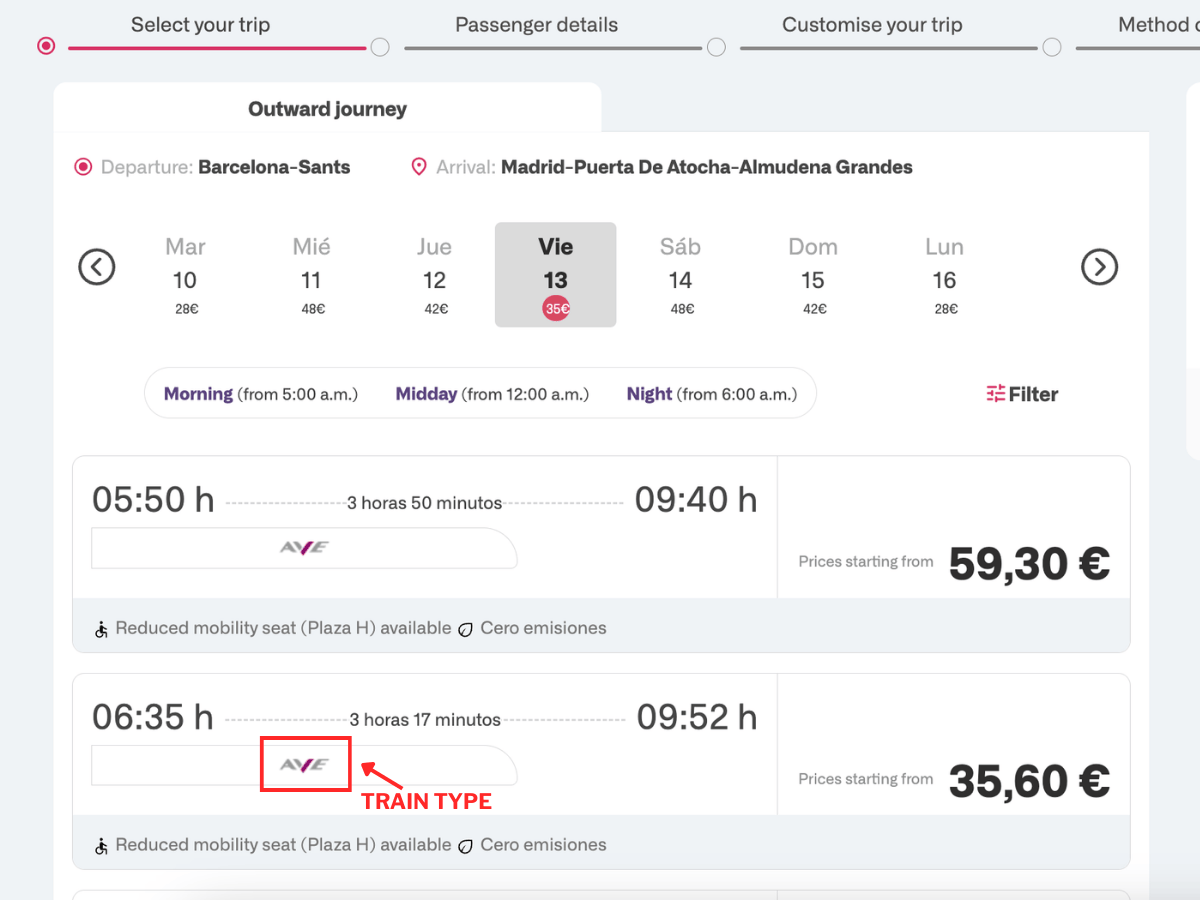
Once you click a train, Renfe will expand the fare options. You can also click on “See details of the route” to see the departure and arrival stations and all the stops in between.
You may also see that it says “Link”, which means there is a connection and you will have to change trains.

3. Select Your Ticket Type
This is where you’ll choose between:
- Básico (cheapest, no changes, no refunds)
- Elige (one free change + partial refund)
- Elige Confort (extra-large seat + flexibility)
- Prémium (maximum flexibility and comfort)
Pick the fare you want and click Select at the bottom.
Renfe will sometimes pop up a reminder showing what you miss by choosing Básico (like refunds or changes), which you can ignore if you’re happy with the cheaper ticket.

4. Enter Passenger Details
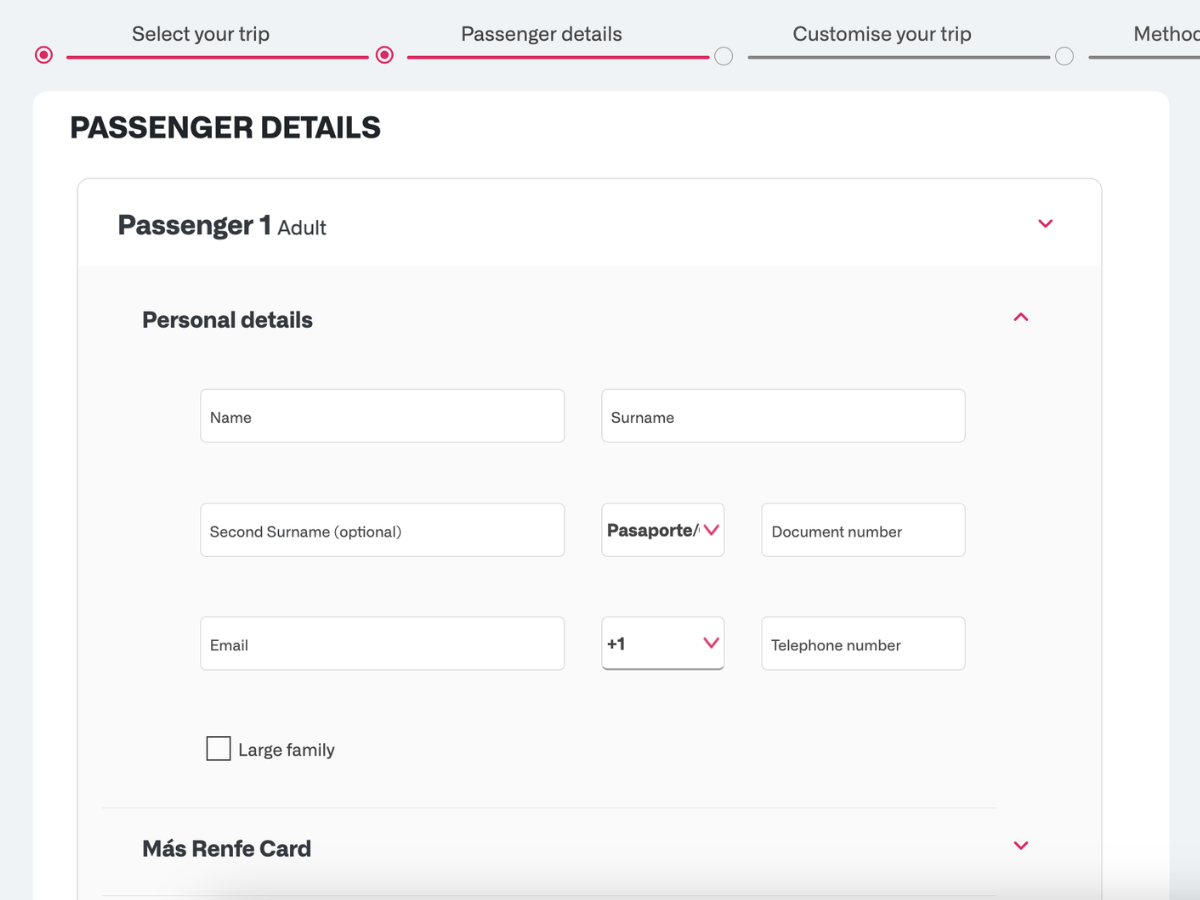
Next, you’ll fill in:
- First and last name
- Change the DNI field to Pasaporte/Otro
- Passport number
- Email address
- Phone number
You’ll also see optional sections for discount cards or promo codes if you have one.
Once filled out, click the Customize trip button at the bottom.
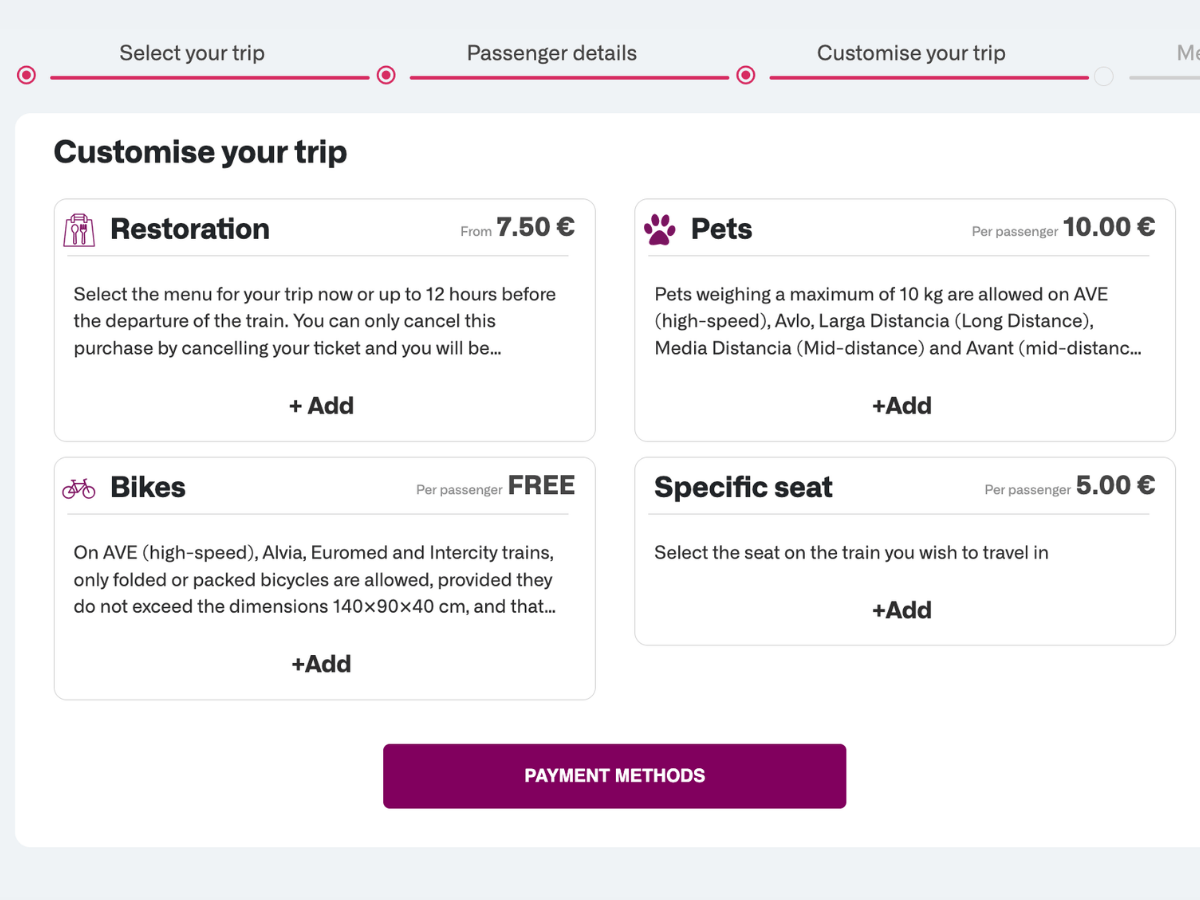
5. Choose Optional Add-Ons (Including Seat Selection)
This is where Renfe offers extras like:
- Restoration (Food and drinks)
- Pets
- Bikes
- Specific seat selection (usually around €5)
Important: Seat selection is NOT included by default. If you want a window seat, aisle seat, or to sit next to your travel partner, you’ll need to pay for the specific seat option here. Otherwise, Renfe will assign seats automatically.
Once you’ve added any extras, click the Payment Methods button at the bottom.
6. Choose Your Method of Payment
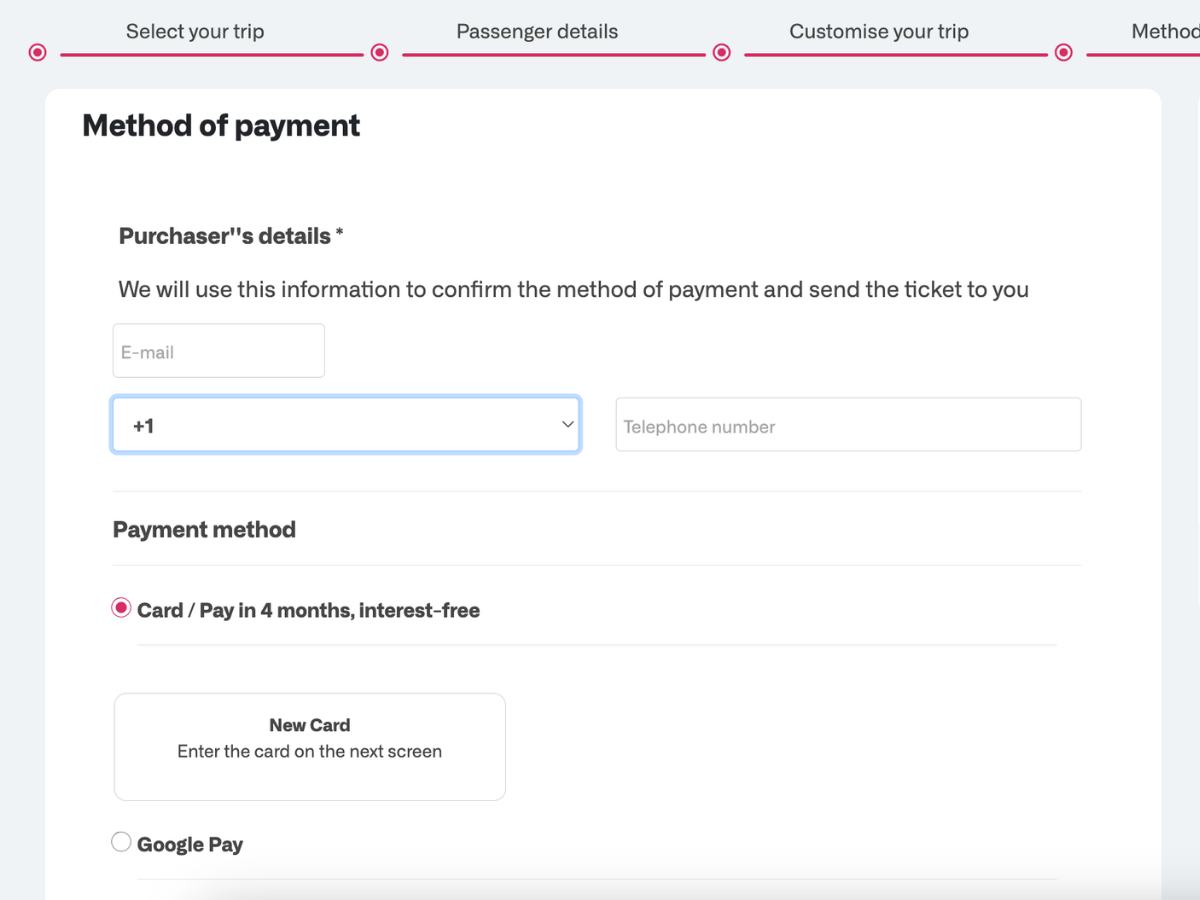
On the next screen, enter your purchaser details and select your method of payment. Renfe accepts:
- Credit and debit cards
- Google Pay
- PayPal (on some routes)
- Other local Spanish payment methods
Check the terms and conditions checkbox at the bottom and then click on the Continue to seat selection button.
7. Pick Your Seat (If You Paid for It)
If you add seat selection, you’ll see a full train layout showing:
- Each car
- Which seats are free or taken
- Tables and seat direction
You can manually click the exact seat you want. Just pay attention to whether it’s forward or rear-facing, especially if you suffer from motion sickness.
Once you’ve selected your seat, click the Confirm and pay button at the bottom.

8. Enter Payment Details
On the next page, enter your payment details. Renfe accepts:
- Credit and debit cards
- Google Pay
- PayPal (on some routes)
- Other local Spanish payment methods
Enter your card info, confirm the total, and complete payment.

9. Get Your Digital Ticket
Once payment goes through, your ticket is issued immediately and you’ll receive a confirmation email with your ticket attached as a PDF.
You can save it to your phone or use the “Localizador” number to load it in the Renfe app for easy access at the station.
No printing needed.
How Far in Advance Should You Book Train Tickets in Spain?
For high speed trains, tickets are usually released months in advance, and prices are often cheapest when they first go on sale.
Popular routes and summer travel dates can sell out quickly, so I’d recommend booking as early as possible.
That said, ticket releases can sometimes be unpredictable. I’ve noticed that certain routes don’t always open far ahead of time.
For example, the Barcelona to San Sebastian route has occasionally only been released at the very last minute.
Regional trains are usually easier to book closer to your travel date and don’t require as much advance planning.

Common Train Amenities in Spain
Here’s an overview of what to expect onboard most trains in Spain:
Food & Drinks
Many high speed and long distance trains have a cafe car or snack service where you can buy drinks, sandwiches, and small meals.
They usually also have a drink trolley that comes around where you can buy food and drinks, and credit cards are accepted.
Budget trains may have more limited options. I usually just buy some snacks at the train station before boarding.
Wifi
Although wifi is advertised on many trains, in my experience it rarely works well and often doesn’t work at all.
I wouldn’t rely on it for anything important and always download entertainment or maps ahead of time.
The cell service can also be a little spotty when you’re traveling through more rural areas, so I’d recommend bringing some books or other phone-free activities.
Tip: If your cell phone provider doesn’t offer coverage in Spain, you can consider using an e-SIM like Airalo to get instant access to data once you land.
Restrooms
Restrooms are standard on high speed and long distance trains and are generally clean and easy to access.

Luggage Restrictions on Trains in Spain
Luggage rules depend on the operator and the type of ticket you buy. Here’s a quick overview:
- Renfe: Up to 3 pieces of luggage per passenger (max 25 kg or 290 cm total). Avlo trains are stricter and include 1 small bag (36 x 27 x 25 cm) + 1 cabin bag (55 x 35 x 25 cm), with larger bags costing extra.
- Iryo: Includes 1 small carry-on (36 x 27 x 15 cm) + 1 cabin bag (55 x 35 x 25 cm). Larger bags can be added for an extra cost depending on your ticket type.
- Ouigo: Includes 1 small bag (36 x 27 x 15 cm) + 1 cabin bag (55 x 35 x 25 cm). Extra or XL luggage can be added for an extra cost depending on your ticket type.
From my experience, they’re rarely very strict with luggage unless it’s clearly oversized, but it’s always a good idea to check the rules when booking a low cost fare.

Tips for Buying Train Tickets in Spain
Here are a few tips to save money and make the most of your experience:
- Book as early as possible: High speed train tickets are usually cheapest when they’re first released and often go up in price closer to departure, so make sure to book as early as possible to get the lowest price.
- Use a third-party tool to compare options: Using a third-party tool like Omio makes it easy to compare train schedules and prices across multiple operators in one place, which helps you quickly find the best route and fare before booking.
- Be flexible with travel times: Being flexible with your travel times can help you find cheaper fares. For example, midday departures can sometimes be cheaper than early morning trains.
- Always double check your departure and arrival station: Always double check your departure and arrival station when booking, and confirm the distance to and from your hotel.
- Download the Renfe, Iryo, or Ouigo app: Downloading the Renfe, Iryo, or Ouigo app makes it easy to store your tickets digitally and access real time updates, which is much more convenient than searching through confirmation emails.
- Remember train times are usually in 24h format: Remember that train schedules in Spain use the 24 hour clock, so keep this in mind to avoid booking the wrong time by mistake.
- Always keep an eye on your belongings: Always keep an eye on your belongings while on trains and in busy stations, since pickpocketing and theft can happen, especially on popular routes and during peak travel times.

Buying Train Tickets in Spain: FAQs
Here are the answers to some of the most frequently asked questions about train travel in Spain:
Can Eurail passes be used in Spain?
Yes, Eurail passes can be used on most long-distance and high speed trains operated by Renfe, but many of these require paid seat reservations, and can often be more expensive than purchasing tickets individually. You’ll want to map out your intended usage and compare prices to find out if it’s worth it.
Can you buy Spanish train tickets directly at the station?
Yes, you can but I wouldn’t recommend doing this. It’s usually much cheaper to buy train tickets online in advance, especially for high speed trains. Ticket prices often go up closer to departure. Plus, the lines at the station are usually very long or understaffed.
Do I need to print my train tickets?
No. Digital tickets on your phone are accepted on most trains.
Are seats assigned on Spanish trains?
Yes, seats are assigned, but selecting specific seats usually costs extra. Otherwise they’re automatically assigned.
Can I change or refund tickets?
It depends on the fare type. Cheaper tickets usually have strict rules, while higher fares are more flexible.
How early do I need to arrive at the train station?
For high speed trains, arriving about 30 minutes early is usually enough to pass security and find your platform. For regional trains, 10 to 15 minutes is typically fine.

Final Thoughts: Best Way to Buy Train Tickets in Spain
I hope this guide has helped you feel more confident about booking train tickets in Spain!
For the easiest experience, using a third-party tool like Omio is great for comparing schedules and prices in one place.
If you prefer to book directly, the major train operators all have English websites and the step-by-step process above makes it pretty easy.
Either way, if you’re moving between cities on your Spain itinerary, the train will likely become one of your favorite ways to get around.
