
25+ Must-Know Spain Travel Tips for First-Time Visitors

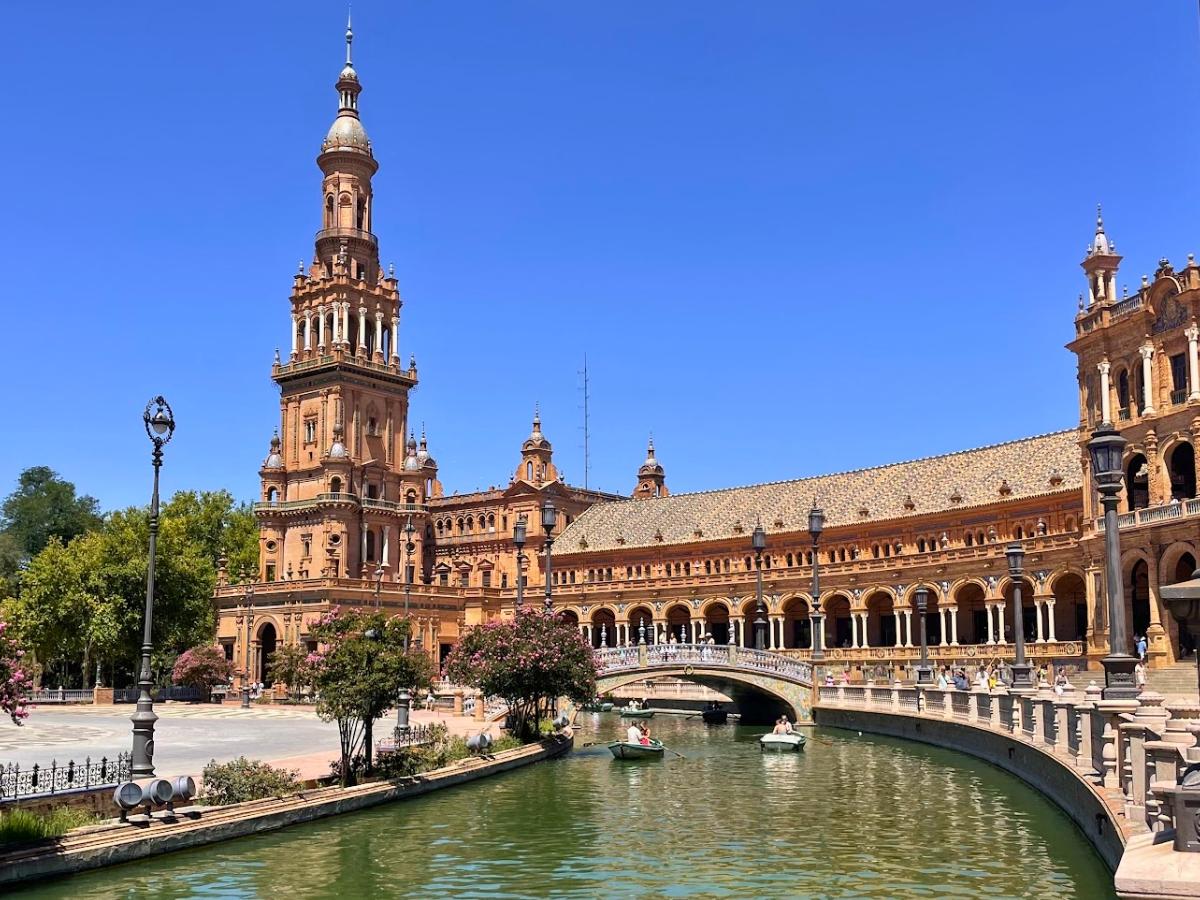
Planning your first trip to Spain is exciting, but there are definitely a few things you should know before you go.
I live in Spain, so I’ve picked up lots of helpful tips that I wish more first-time visitors knew about.
In this guide, I’m sharing 25+ of my best Spain travel tips to help you save money, avoid common mistakes, and have an amazing trip.
Spain Travel Tips for Planning Your Trip
Here are my top travel tips for Spain to help you plan your trip and avoid common mistakes:
1. Book tickets for popular attractions in advance
Spain is home to some incredibly popular attractions, and many of them sell out well in advance.
I’m talking about places like Sagrada Familia and Park Güell in Barcelona, the Alhambra in Granada, and the Royal Palace in Madrid.
Most require timed-entry tickets, so you can’t just show up and expect to get in.
I’d recommend booking tickets as early as possible so you don’t miss out.

2. Don’t try to visit too many cities
Spain is a lot bigger than most people realize! It’s roughly the same size as Texas, so getting between cities can take a lot longer than you might expect.
One of the biggest mistakes I see first-time visitors make is trying to squeeze too many destinations into their Spain itinerary.
While Spain has an excellent train network, constantly changing hotels and spending hours traveling can get exhausting.
I’d recommend spending at least 3-4 days in major cities like Barcelona, Madrid, and Seville so you actually have time to enjoy them.

3. Book your hotel for the night before you arrive
If you’re traveling to Spain from the United States or Canada, there’s a good chance you’ll be taking an overnight flight that arrives around 8-10AM.
And after a long flight, you’re probably going to be exhausted and ready for a shower or a nap, but most hotels don’t allow check-in until around 3PM.
If you have the budget, I’d definitely recommend booking your hotel for the night before you arrive so your room is ready as soon as you get there.
Just be sure to let the hotel know you’ll actually be arriving the following morning so they don’t mark you as a no-show.

4. Don’t assume every region of Spain is the same
One of my favorite things about Spain is how different each region feels.
Barcelona has its own Catalan culture and architecture, Andalusia is known for flamenco traditions and Moorish history, and northern Spain has completely different landscapes and food.
You’ll also hear different languages throughout the country, including Catalan, Basque, and Galician.
Even the weather, cuisine, and daily customs can vary quite a bit, so don’t assume every Spanish destination will be the same!

Practical Spain Travel Tips & Safety Advice
These tips for traveling to Spain will help you stay safe and prepared:
5. Protect your belongings from pickpockets
Spain is generally very safe, but pickpocketing is a big problem in popular tourist destinations, particularly Barcelona.
Crowded metro stations, busy plazas, and major tourist attractions are some of the most common places where thieves operate.
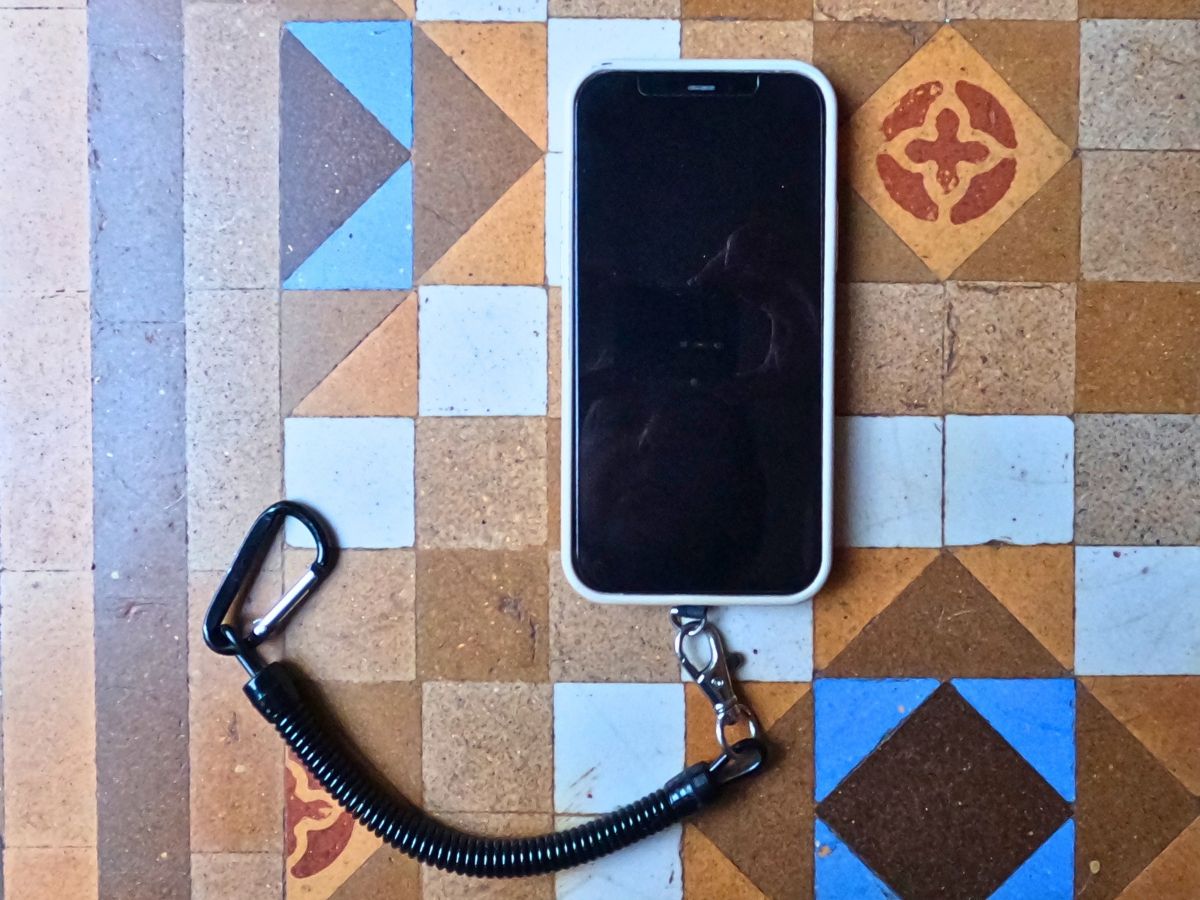
I personally use a phone leash whenever I’m out and about, and I highly recommend getting one before your trip.
A crossbody bag, anti-theft zippers, and avoiding expensive watches or gold jewelry are also simple ways to protect yourself.
6. Pack for different climates and seasons
A lot of people picture Spain as being warm and sunny year-round, but that’s definitely not the case!
The weather varies quite a bit depending on the region and time of year you’re visiting Spain, with northern Spain experiencing cooler, rainier weather and inland cities like Madrid having extremely hot summers and cold winters.
And if you’re visiting several destinations on the same trip, you might experience completely different weather conditions.
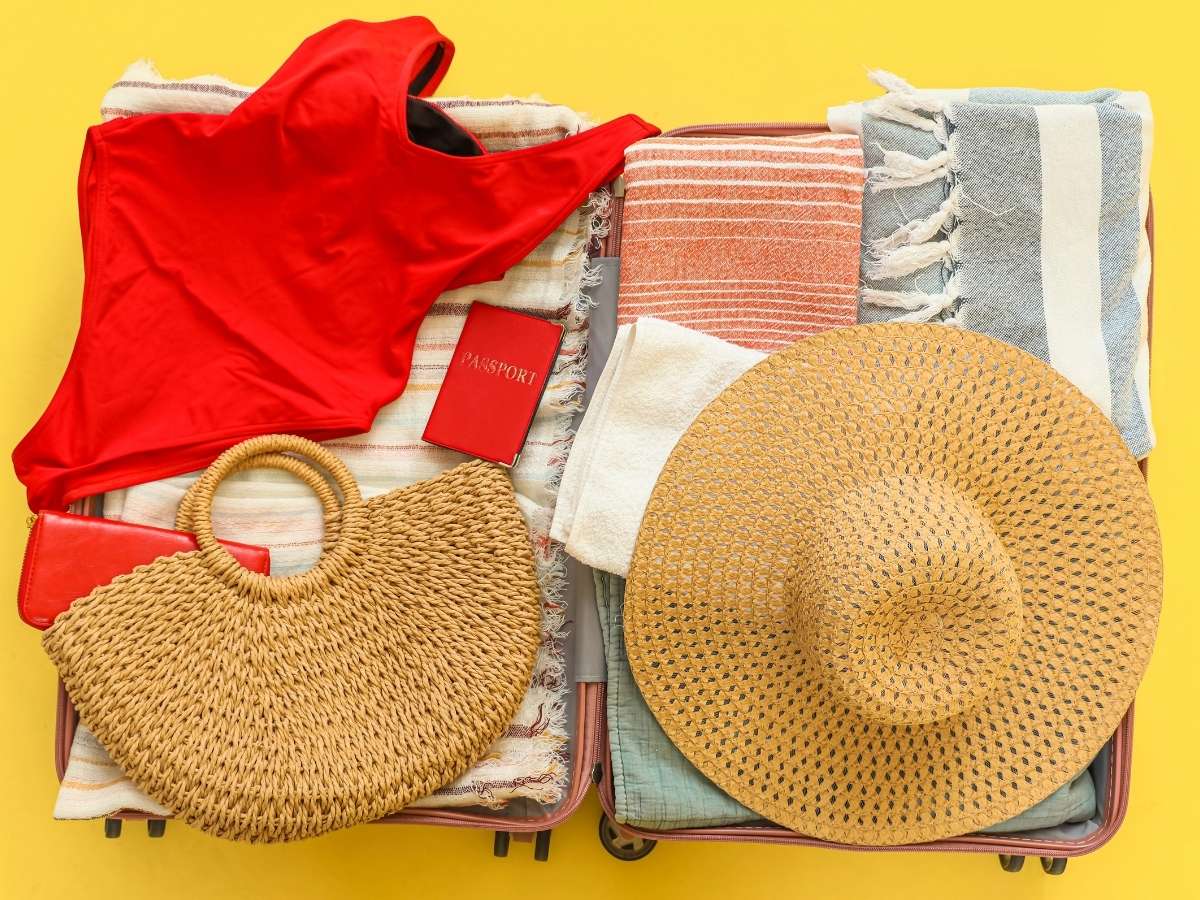
I’d recommend checking the forecast for each city on your itinerary adding layers, comfortable walking shoes, and a lightweight jacket to your Spain packing list.
7. Set up Apple Pay or Google Pay before your trip
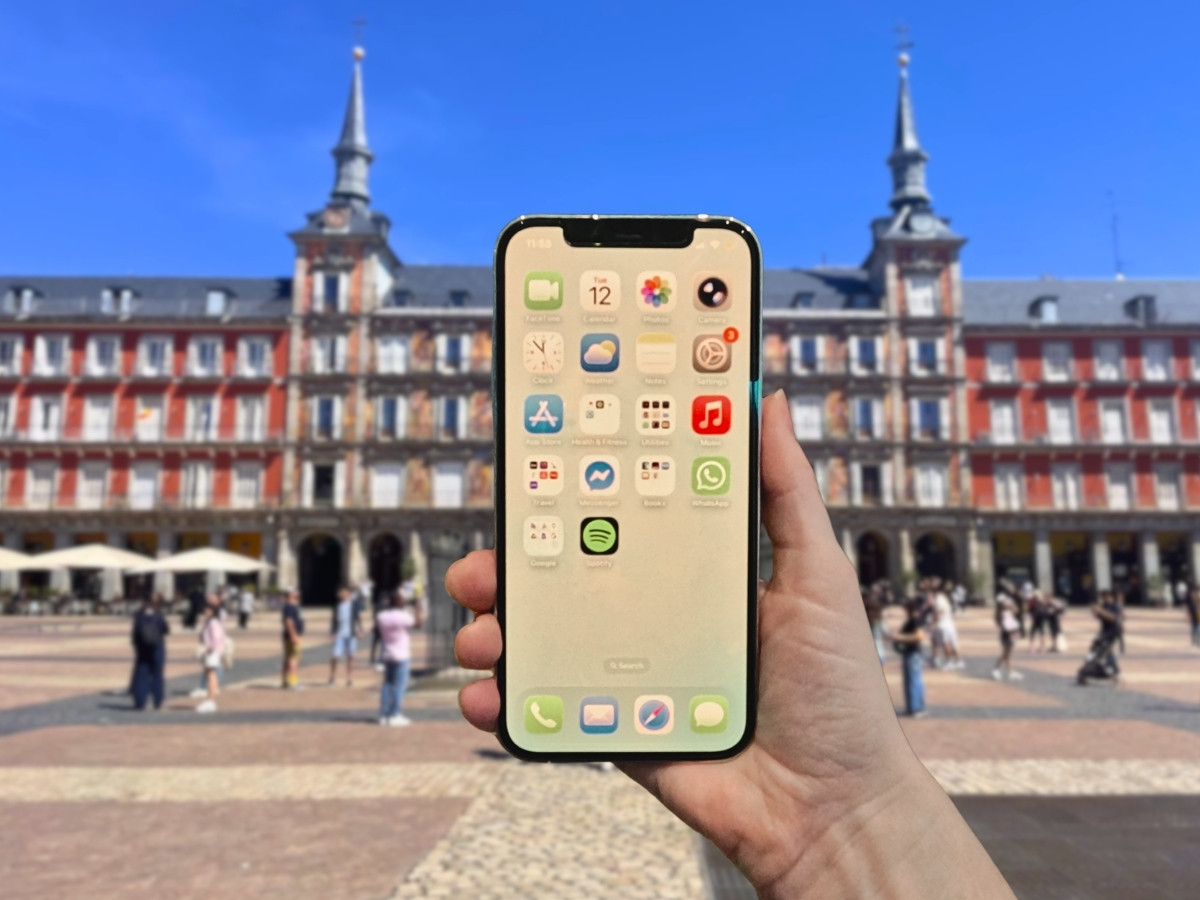
Spain is very card-friendly, and you can pay for almost everything with a credit card or your phone.
I personally use Apple Pay for nearly all my purchases, including restaurants, grocery stores, cafes, and even small purchases like a coffee.
Most businesses have contactless card readers, so I’d recommend setting up Apple Pay or Google Pay before your trip and adding a credit card with no foreign transaction fees.
It’s still worth carrying a little cash for tipping or emergencies, but cards are accepted almost everywhere.
8. Get an eSIM before arriving in Spain
Having mobile data as soon as you land in Spain is something I definitely recommend, especially for looking up directions, checking train schedules, and navigating to your hotel.
I recommend using Airalo, which allows you to purchase and install an eSIM before your trip so you can connect to a local mobile network when you arrive.
It’s a convenient option if your regular phone plan doesn’t include international data, and you won’t have to worry about finding a physical SIM card.
You can read my full guide on staying connected in Spain for more information about eSIMs, international phone plans, and other options.
Spain Transportation Tips & Getting Around
Here are some tips for traveling in Spain and getting around efficiently:
9. Take advantage of Spain’s high-speed trains
One of the easiest ways to travel between major cities in Spain is by high-speed train.
Spain’s train system is easy to use, with companies like Renfe, Iryo, and Ouigo operating routes between most major cities.
For example, you can travel between Madrid and Barcelona in under 3 hours, which is often more convenient than flying once you factor in airport transfers and security.
I recommend using Omio to compare train schedules and prices across different operators, and booking in advance can often save you money.

10. Utilize public transportation
If you’re traveling on a budget or just want a faster way to get around, definitely take advantage of Spain’s public transportation.
Most major cities have networks of metros, buses, trains, or trams that can get you around without spending money on taxis.
You can usually purchase metro tickets at machines inside the stations, and many city buses also accept contactless credit cards when you board, although this varies by city.
There are often multi-journey tickets or multi-day transportation passes available, which can be a better value if you plan to use public transportation frequently.

11. Download the FreeNow app before your trip
While public transportation is great, there will probably be times when you just want to take a taxi.
I recommend downloading the FreeNow app before arriving in Spain, especially if you’re visiting major cities like Barcelona or Madrid.
It works similarly to Uber, but you can use it to request regular taxis, enter your destination, and pay directly through the app in supported cities.
I use FreeNow regularly in Barcelona, and it’s really convenient when I’m heading to the airport or coming home late at night.

12. Take advantage of day trips
You don’t necessarily have to change hotels every time you want to visit somewhere new in Spain.
There are so many incredible destinations that can be visited as a day trip, like Toledo or Segovia from Madrid, Montserrat or Girona from Barcelona, and Córdoba or Ronda from Seville.
It’s a great way to experience smaller towns and different parts of Spain without constantly packing up your suitcase.
If you don’t want to deal with transportation logistics, you can also book organized day trips through platforms like Viator or GetYourGuide.

Spanish Culture Tips & Local Customs
Here are a few local customs and traditions to know before visiting Spain:
13. Be prepared for late nights
If there’s one thing Spain is known for, it’s its late nights.
It’s completely normal to see people out having dinner at 10PM, enjoying drinks after midnight, or socializing in busy plazas late into the evening.
And if you’re planning to go out to nightclubs, they may not open until 2-3AM with people partying until sunrise.

14. Plan around Sunday closures
Another thing you should know before visiting Spain is that many businesses are closed on Sundays.
This includes lots of clothing stores, supermarkets, independent shops, and local markets, particularly outside major tourist areas.
In larger cities like Barcelona and Madrid, you’ll still find restaurants, attractions, and some shops open, but don’t assume everything will be operating as usual.
I’d recommend planning any souvenir shopping or errands for another day of the week and picking up essentials on Saturday.

15. Be aware of afternoon closures
In many parts of Spain (particularly smaller towns), shops and local businesses close for several hours in the afternoon.
These midday breaks are often associated with the traditional Spanish siesta, although that doesn’t necessarily mean everyone is going home to take a nap.
It’s common for independent shops to close around 2PM and reopen around 5PM, while larger shopping centers and stores in major tourist areas often stay open throughout the day.
If there’s a particular shop or business you want to visit, I’d recommend checking its opening hours before heading over.

16. Learn a few basic Spanish phrases
While you’ll find lots of English speakers in major tourist destinations, learning a little Spanish can go a long way.
Even simple phrases like hola (hello), gracias (thank you), por favor (please), and la cuenta, por favor (the bill, please) can be really helpful.
English is less widely spoken in smaller towns, and Spain also has several regional languages, including Catalan, Basque, and Galician.
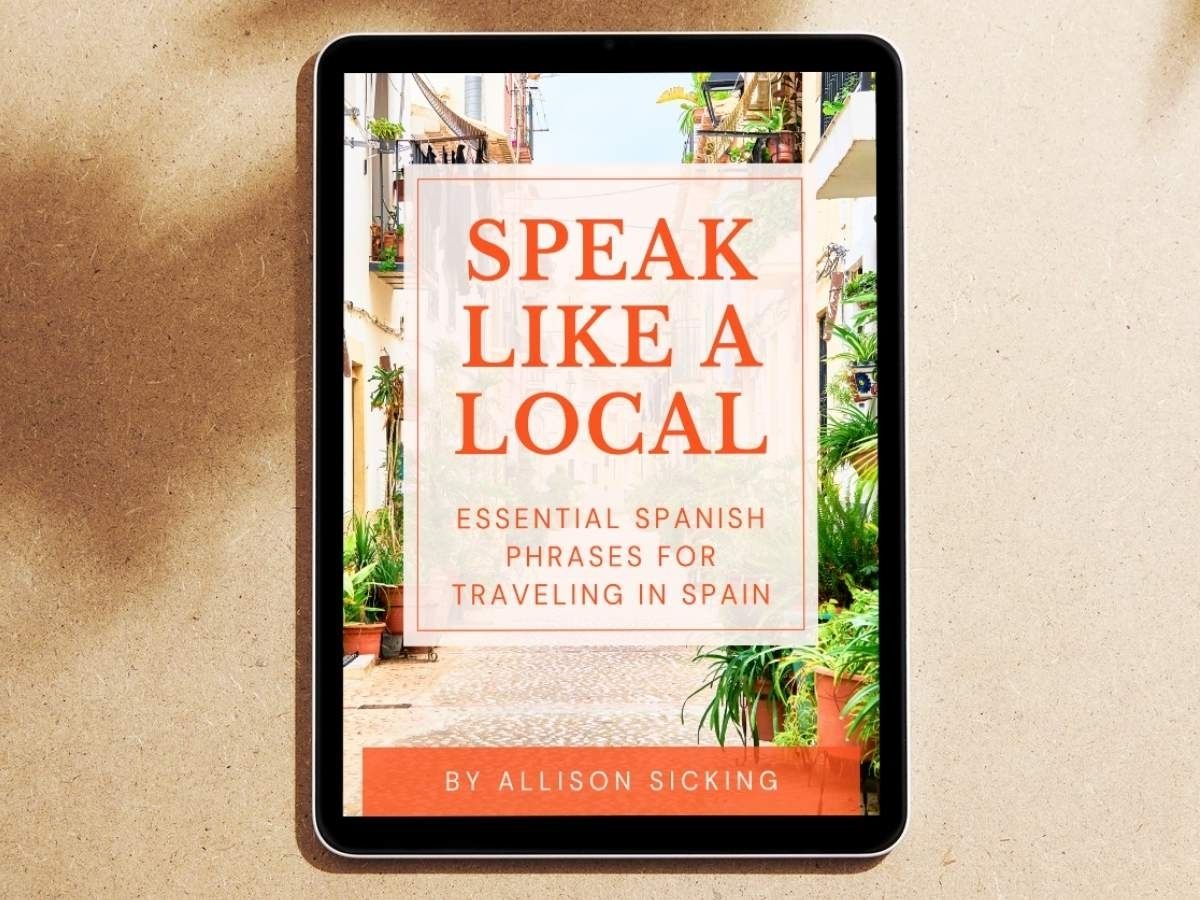
If you want to brush up on your Spanish before your trip, check out my Spanish phrases ebook for useful phrases you’ll actually use while traveling.
17. Look for centennial plaques on historic businesses
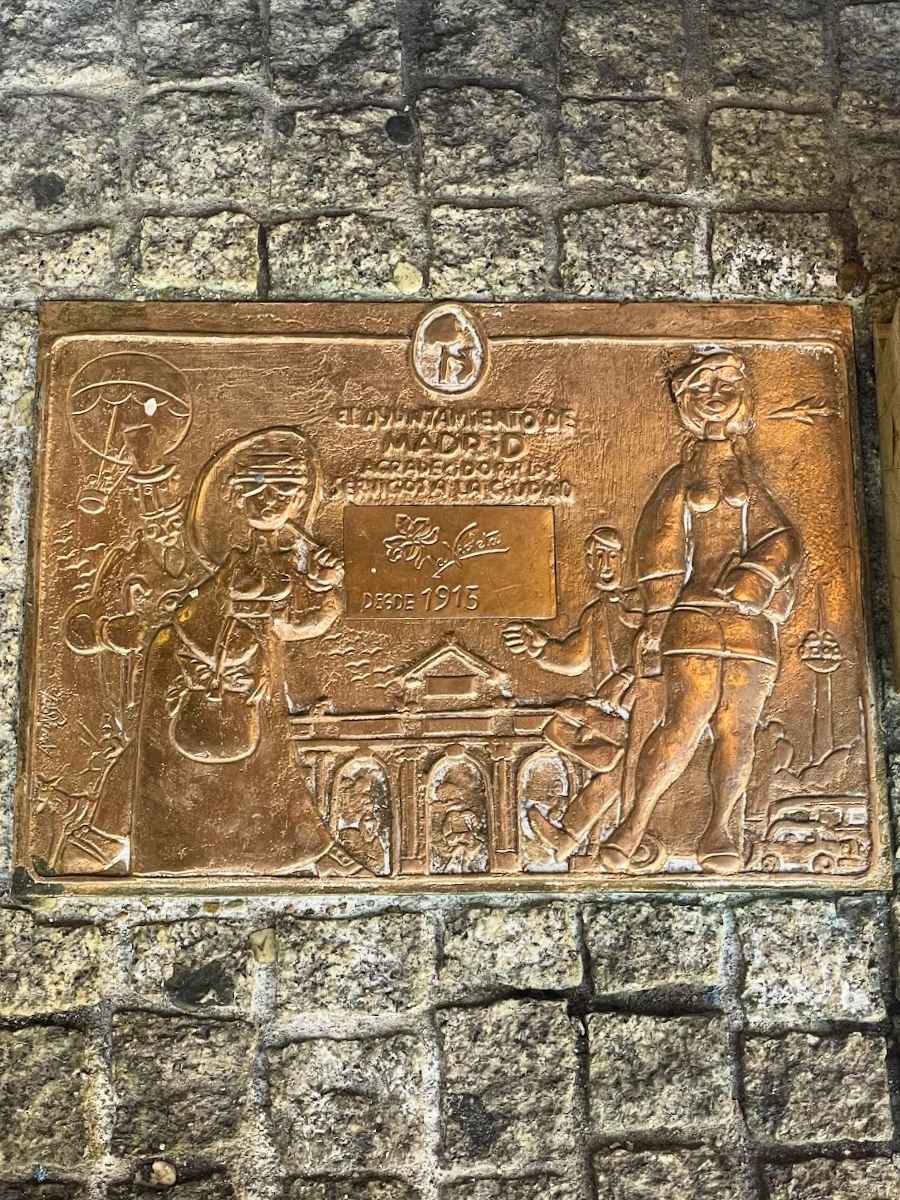
One of the coolest little details to look out for when exploring cities like Barcelona and Madrid is the centennial plaques marking historic businesses.
These plaques recognize restaurants, bars, shops, and other local establishments that have been operating for more than 100 years.
You’ll see these special plaques embedded in the sidewalks outside some of the city’s oldest businesses.
If you find one, it’s usually a good indicator that it’s not a tourist trap!

Spain Food & Dining Tips
Here are my top tips for eating out in Spain and avoiding tourist traps:
18. Adjust to Spain’s later meal times
One of the biggest cultural adjustments for first-time visitors to Spain is the meal schedule.
Locals tend to eat much later than people in the United States, with lunch typically around 2-3PM and dinner around 9-10PM.
If you show up to a restaurant at 6PM expecting dinner, you might find that the kitchen hasn’t even opened yet.
I’d recommend adjusting to the local dining schedule for a more lively and authentic dining experience.

19. Eat paella for lunch (not dinner)
Paella is one of Spain’s most famous dishes, but something many tourists don’t realize is that it’s traditionally eaten for lunch.
It’s often enjoyed with family or friends on weekends, and restaurants serving it at dinner tend to cater more to tourists.
For the best experience, I’d recommend enjoying paella for lunch at a coastal restaurant that specializes in rice dishes and prepares them fresh.
Also, Valencia is the birthplace of paella, so it’s the best place in Spain to try it!
Traditional Valencian paella is typically made with chicken, rabbit, and vegetables rather than seafood.

20. Try a menú del día for lunch
If you’re looking for a good deal on food in Spain, keep an eye out for restaurants offering a menú del día.
This is a fixed-price lunch menu that’s very common at traditional Spanish restaurants, particularly during the week.
It usually includes a starter, main course, and dessert or coffee, and sometimes a drink as well.
You’ll frequently see the daily menu written on a chalkboard outside the restaurant, and it’s often much cheaper than ordering everything separately.

21. Avoid restaurants right next to major tourist attractions
Restaurants located right next to major attractions are almost always tourist traps that you’ll want to avoid.
Here are a few major red flags I always watch out for:
- Photo menus: Huge glossy poster-sized menus covered in pictures of paella, tapas, burgers, and every other type of food imaginable.
- People trying to pull you inside: Employees standing outside actively trying to convince tourists to eat at their restaurant.
- Major fast-food chains nearby: If you’re eating right next to a McDonald’s or another major chain in a busy tourist area, it’s worth checking for better options nearby.
Of course, these aren’t guarantees that a restaurant will be bad, but they’re good signs to pay attention to.
I usually recommend walking a few blocks away from the main attractions and checking recent Google Maps reviews before choosing somewhere to eat.

22. Take a food tour early in your trip
One of my favorite ways to experience a new city in Spain is by taking a food tour.
Not only do you get to try lots of local dishes, but you’ll also learn about the food culture, regional specialties, and how to order at traditional restaurants.
I’d recommend scheduling a food tour early in your trip so you can get recommendations from your guide and use everything you learn when dining out on your own.
My favorite food tour company in Spain is Devour Tours, which currently offers tours in Barcelona, Madrid, Seville, and San Sebastián.
Spain Food Sherpas is another great option in Granada and Málaga.

23. Visit local food markets
Visiting local food markets is one of my favorite things to do in Spain.
Most cities have traditional markets in each neighborhood where locals shop for fresh produce, meats, cheeses, seafood, and other regional specialties.
A lot of markets also have food stalls where you can grab tapas, prepared snacks, or a quick lunch.
It’s a fun and inexpensive way to try local foods. Just keep in mind that most markets close in the afternoon and on Sundays.

24. Try regional drinks beyond sangria
Sangria might be the drink most tourists associate with Spain, but there are so many other local drinks in Spain worth trying.
One of my favorites is tinto de verano, which is red wine mixed with lemon soda and is really popular during the warmer months.
You’ll also find vermut (vermouth) served as an aperitif, cava (Spanish sparkling wine), and sidra (cider), particularly in northern Spain.
And if you’re a beer drinker, try ordering a caña, which is a small draft beer that’s perfect for enjoying with tapas.


25. Know that tipping isn’t expected
If you’re visiting from the United States or Canada, you’ll probably be pleasantly surprised by Spain’s tipping culture.
Unlike in North America, leaving a 15-20% tip at restaurants isn’t expected, and most people simply round up the bill or leave a few euros for good service.
You also don’t need to tip every time you order a coffee, drink, or quick snack at a bar.
Carry a little cash if I want to leave a tip. Or if paying by card, make sure to tell the server to add something extra before they run the payment.

26. Don’t expect free water at restaurants
Something that surprises a lot of first-time visitors is that restaurants in Spain don’t usually bring free water to the table.
If you order water, you’ll typically be served bottled water and asked if you want sin gas (still water) or con gas (sparkling water).
Technically, you can request free tap water by asking for agua del grifo but nicer restaurants generally won’t offer tap water automatically.
27. Understand Spain’s coffee culture
If you’re used to ordering a giant drip coffee every morning, Spain’s coffee culture might take some getting used to.
Most traditional Spanish cafes serve espresso-based drinks like cafe con leche (espresso with milk), cortado (espresso with a small amount of milk), and cafe solo (a single espresso).
If you want something closer to a regular American coffee, try ordering a cafe Americano, which is espresso diluted with hot water.
And don’t expect every cafe to have large takeaway cups, since sitting down and enjoying your coffee is much more common in Spain.

28. Know that bread isn’t always free at restaurants
Another thing that can catch tourists off guard is the bread service at restaurants.
At many Spanish restaurants, your server will bring a basket of bread to the table without you even asking for it, but that doesn’t necessarily mean it’s complimentary!
Some restaurants charge per person for bread or add a small bread service fee to your bill.
If you don’t want it, you can politely decline when they bring it, and it’s always worth checking the menu for any bread or cover charges.

