
Andalusia Travel Guide: Best Places, Itineraries & Tips

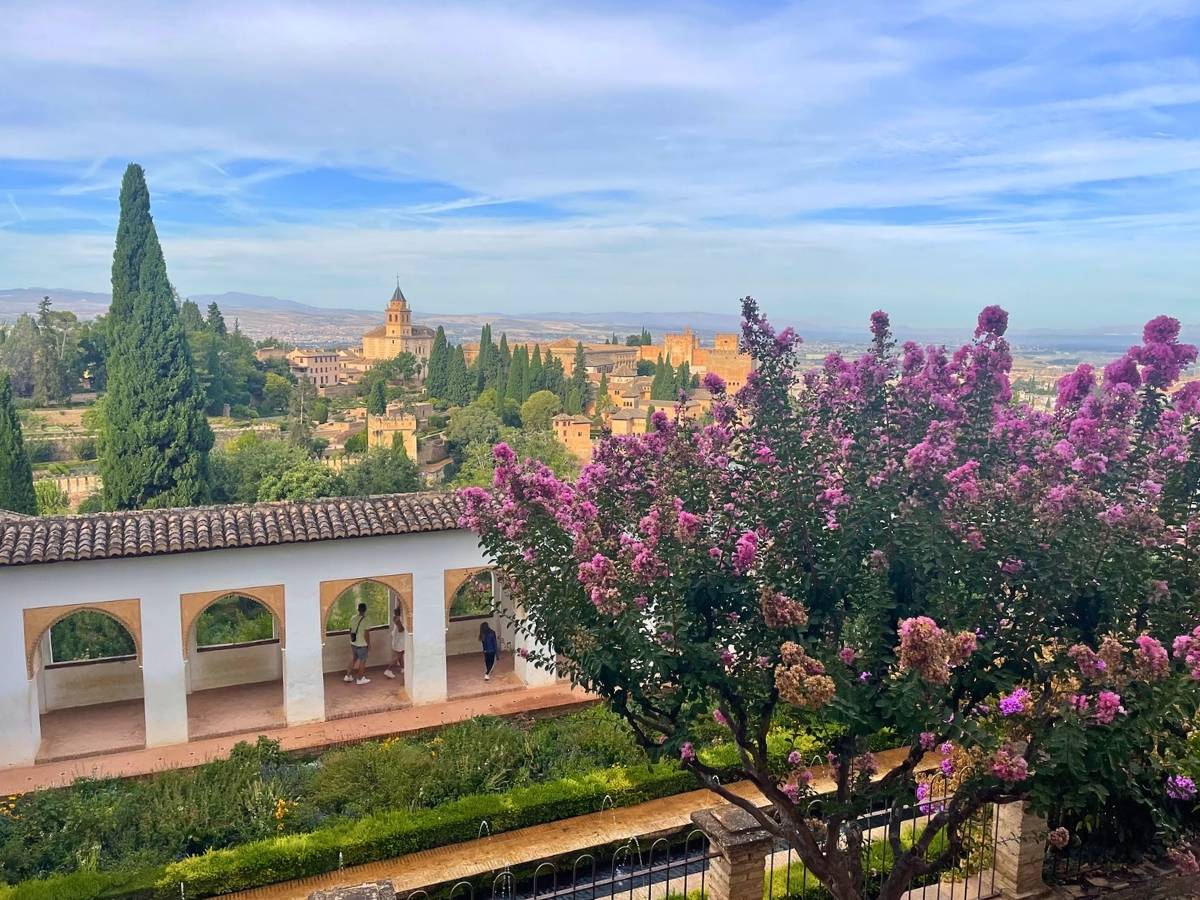
Andalusia is one region of Spain I never get tired of visiting.
There’s just so much to love about this part of the country, with its grand Moorish palaces, colorful ceramic tiles, charming whitewashed villages, and lively flamenco culture.
Since moving to Spain, I’ve had the chance to explore many of Andalusia’s incredible cities and towns, and it’s quickly become one of my favorite parts of the country.
In this Andalusia travel guide, I’ll cover everything you need to know to plan your trip, including the best places to visit, when to go, where to stay, how to get around, and my top travel tips.
What is Andalusia?
Andalusia (or Andalucía in Spanish) is a large region in southern Spain known for its beautiful architecture, historic cities, traditional flamenco dancing, and picturesque whitewashed villages.
It’s one of Spain’s 17 autonomous communities and is made up of 8 different provinces (Almería, Cádiz, Córdoba, Granada, Huelva, Jaén, Málaga, and Seville), each with its own cities, towns, and attractions.
So when people talk about visiting Andalusia, they’re referring to an entire region rather than one specific destination.
It’s also home to some of Spain’s most famous landmarks, including the Alhambra in Granada, the Royal Alcázar in Seville, and the Mezquita-Catedral in Córdoba.


Where is Andalusia?
Andalusia is located in the southernmost part of mainland Spain, bordering Portugal to the west and the Mediterranean Sea and Atlantic Ocean to the south.
The region has a mix of inland cities like Seville, Granada, and Córdoba, as well as coastal destinations like Málaga, Cádiz, and Marbella.
The Costa del Sol is the most popular coastal area in Andalusia, known for its beautiful Mediterranean beaches, sunny weather, and resort towns.
You’ll also find mountain ranges, national parks, and small whitewashed villages (known as “Pueblos Blancos”) scattered throughout the countryside.
Andalusia is located south of both Madrid and Barcelona, with Seville being about 2.5-3 hours from Madrid by high-speed train or around 6 hours from Barcelona.
Best Time to Visit Andalusia
One of the most important things to know before visiting Andalusia is that summers get EXTREMELY hot, especially in inland cities like Seville, Córdoba, and Granada.
And I’m not just talking about a little heat!
Temperatures regularly exceed 100°F (38°C) in July and August, with extreme heat waves sometimes approaching 120°F (49°C). Seville and Córdoba are especially brutal in the summer.
Coastal cities like Málaga, Cádiz, and Marbella aren’t quite as bad thanks to the sea breeze, but they can still get pretty hot.
Best Months to Visit Andalusia
I’d recommend visiting in spring (April to May) or fall (September to October) when the weather is much more comfortable for sightseeing.
March and November are also good options if you don’t mind cooler temperatures.
Winter can be a great time to visit too, with mild daytime weather and fewer tourists. Just keep in mind that mornings and evenings can get chilly.
If you’re hoping to spend time at the beach, June through September is best for swimming.
The sea is generally too cold for most people during the winter months, even though the weather can still be sunny.

Best Places to Visit in Andalusia
Andalusia has so many incredible places to explore, including historic cities, beautiful beach towns, and picturesque whitewashed villages.
Here are some of the best places to visit in Andalusia:
Core Historic Cities
These are the big 3 cities in Andalusia that I would prioritize if it’s your first time visiting:
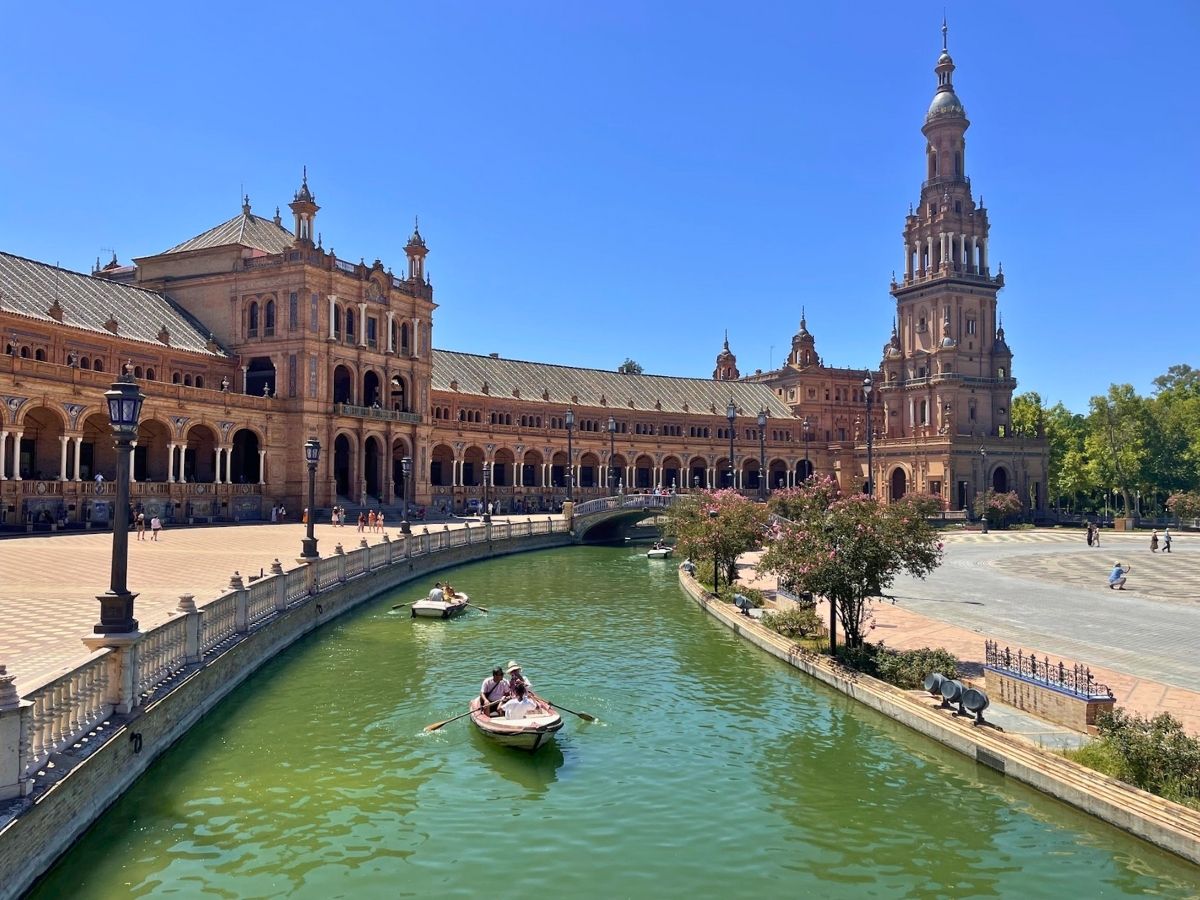
- Seville: My personal favorite city in Andalusia, known for its stunning architecture, flamenco culture, beautiful plazas, and famous landmarks like the Royal Alcázar and Plaza de España.
- Granada: Best known for the incredible Alhambra palace complex, with its Moorish architecture, historic Albaicín neighborhood, and views of the Sierra Nevada mountains.
- Córdoba: A beautiful historic city famous for its Mezquita-Catedral, flower-filled patios, and narrow streets in the old Jewish Quarter.

Coastal Destinations
If spending time at the beach is important to you, here are some of the top coastal destinations in Andalusia:
- Málaga: A coastal city with a historic center, art museums, a Moorish fortress, and easy access to the beaches of the Costa del Sol.
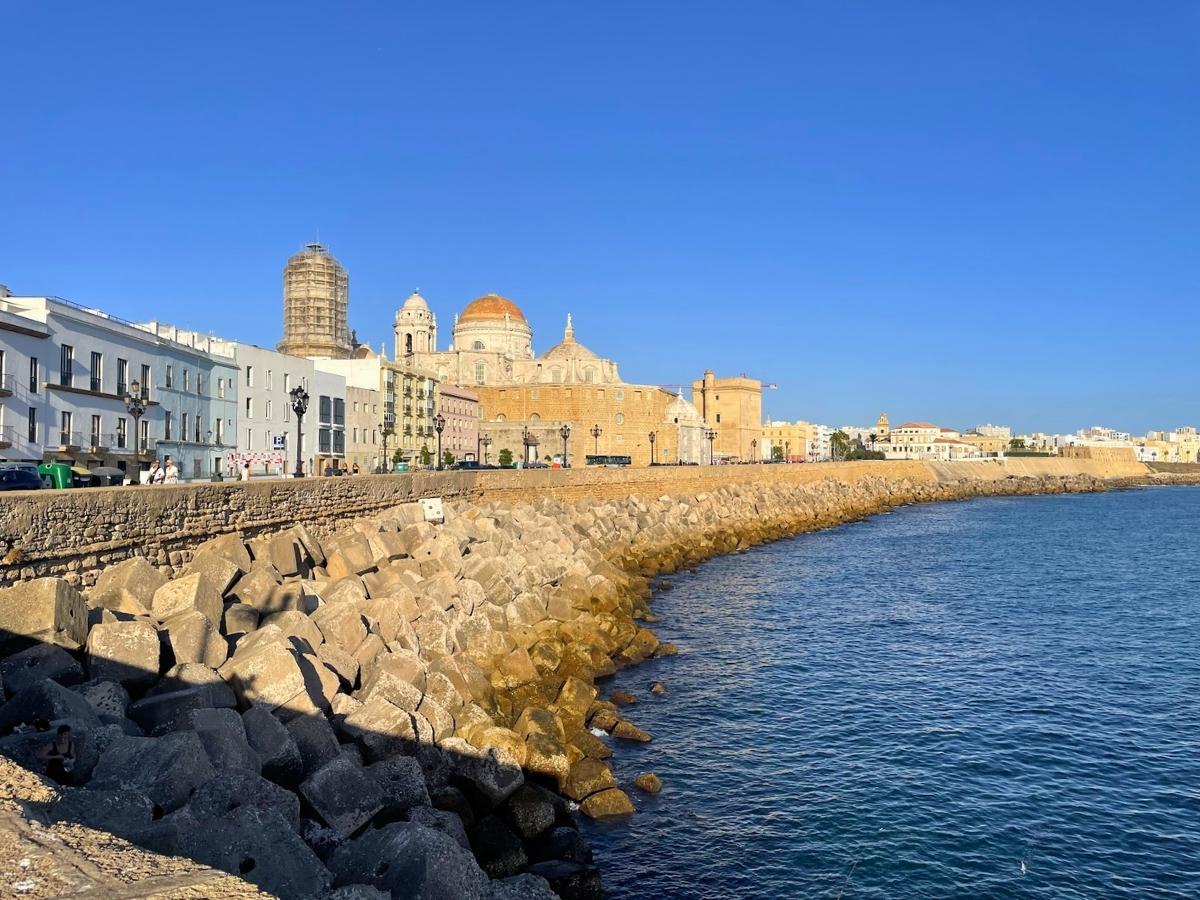
- Cádiz: One of Europe’s oldest cities, known for its seaside setting, beautiful cathedral, historic watchtowers, and sandy beaches.
- Marbella: A popular Costa del Sol destination known for its beaches, upscale beach clubs, and pretty whitewashed Old Town.
- Nerja: A seaside town famous for its turquoise coves, impressive caves, and Balcón de Europa viewpoint. It’s a popular day trip from Málaga.
- Estepona: A colorful coastal town with flower-lined streets, a beautiful Old Town, and a long beachfront promenade.
- Almería: A less touristy coastal city known for its impressive Alcazaba fortress and proximity to the wild beaches of Cabo de Gata.

White Villages & Mountain Towns
These picturesque towns are popular day trips from larger cities, and I’d recommend adding at least one to your itinerary if you have time:
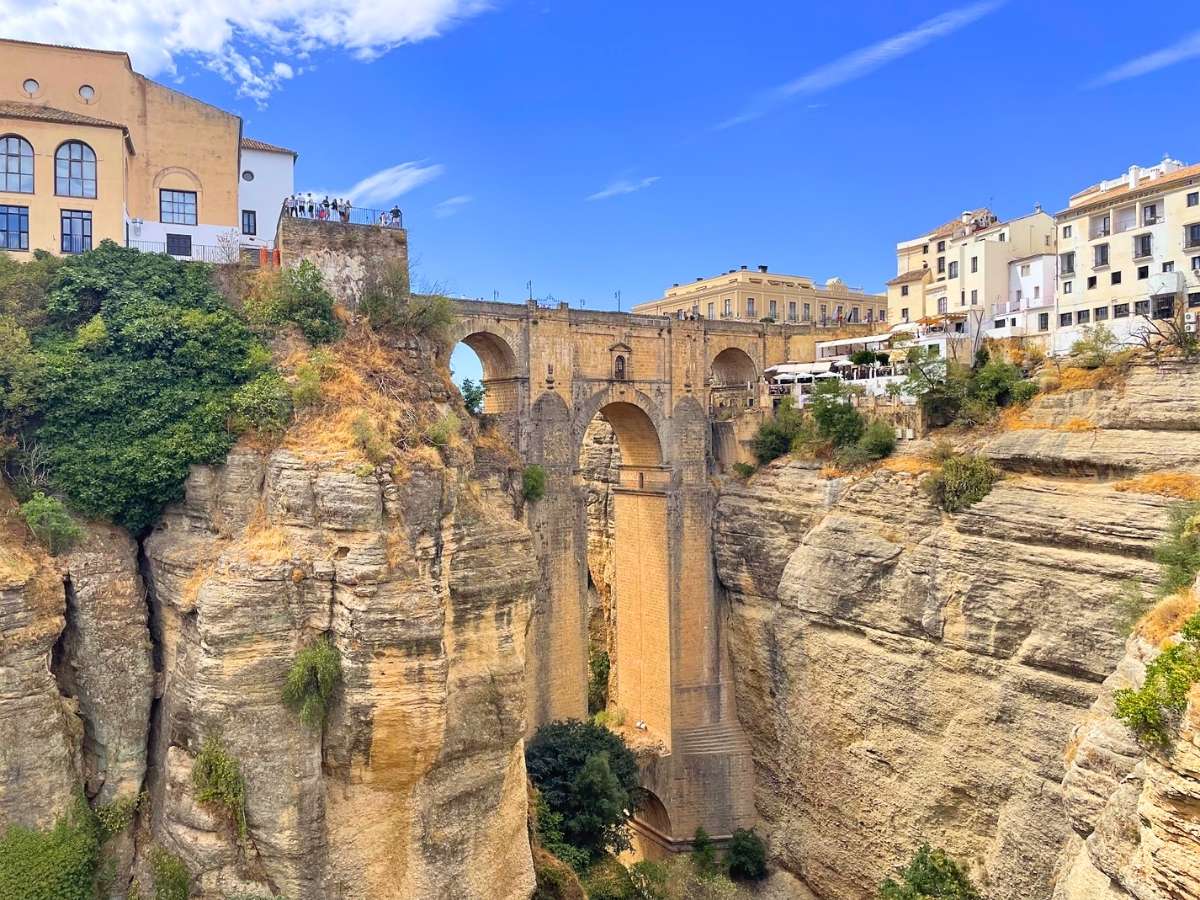
- Ronda: A dramatic hilltop town famous for its Puente Nuevo bridge spanning a deep gorge, and one of the most popular places to visit on a day trip from Seville.
- Setenil de las Bodegas: A unique white village where houses, shops, and restaurants are built directly beneath massive rock overhangs.
- Zahara de la Sierra: A beautiful whitewashed village on a hillside, known for its hilltop castle, dramatic mountain scenery, and stunning views of a turquoise reservoir.
- Frigiliana: A picturesque hillside village near Nerja with whitewashed houses, colorful flowerpots, and views of the Mediterranean.
- Mijas: A traditional whitewashed village in the mountains above the Costa del Sol, known for its narrow streets and panoramic coastal views.
↳ For more information, check out my full guide to the best places to visit in southern Spain.
How Many Days Do You Need in Andalusia?
I’d recommend spending at least 5 to 7 days in Andalusia to explore some of the region’s most popular cities without feeling too rushed.
If it’s your first time visiting, I’d prioritize Seville, Córdoba, and Granada, which you can comfortably visit in about a week.
But Andalusia is a pretty large region, so you could easily spend two weeks here and still have more to see!

Suggested Andalusia Itineraries
There are so many ways to plan a trip to Andalusia, depending on how much time you have and which places you want to visit.
Here are a few suggested itineraries to help you plan your trip:
- 3-4 Days: Seville + day trip to Córdoba
- 5-7 Days: Seville, Granada + day trip Córdoba (from Seville or Granada)
- 8-10 Days: Seville, Córdoba, Granada + day trips to Ronda (from Seville) or Cádiz (from Seville)
- 10+ Days: Seville, Córdoba, Granada, and Málaga + day trips to Ronda (from Seville), Cádiz (from Seville), Nerja (from Málaga), or Caminito del Rey (from Málaga)

How to Get to Andalusia
Getting to Andalusia is pretty straightforward, with several airports and high-speed train connections throughout the region.
By Plane
If you’re traveling from the US, one of the easiest options is to fly into Madrid and then take a high-speed train to Andalusia or rent a car.
You can also fly into airports in Seville (SVQ), Málaga (AGP), Granada (GRX), Almería (LEI), or Jerez (XRY).
Málaga has the most international flight connections, but you’ll typically need a layover in Madrid or another European city.
If you’re coming from Barcelona or elsewhere in Europe, you can also find affordable flights on budget airlines like Vueling or Ryanair.

By Train
If you’re already traveling around Spain, taking the high-speed train is one of the easiest ways to reach Andalusia.
From Madrid, you can reach Seville or Córdoba in around 2-3 hours, with connections to other major cities like Granada and Málaga.
From Barcelona, the train takes 6+ hours (depending on your destination) so flying might be a better option if you’re short on time.

How to Get Around in Andalusia
Getting around Andalusia is pretty straightforward, and I’d recommend either taking the train or renting a car, depending on which places you plan to visit.
By Train
Taking the train is the easiest option if you don’t want to drive, especially if you’re sticking to the major cities.
Seville, Córdoba, Granada, and Málaga are the main train hubs, with high-speed and regional connections throughout the region.
I recommend using Omio to compare train routes and prices. You can also check out my full guide to buying train tickets in Spain.

By Rental Car
Renting a car is a great option if you want to explore smaller towns, visit the Pueblos Blancos, or just have more flexibility with your itinerary.
Driving around southern Spain is pretty manageable, with well-maintained highways and generally straightforward routes between destinations in southern Spain.
The biggest downside is parking, especially in historic city centers where streets can be narrow and parking is limited.
You’ll usually need to use paid parking garages in larger cities, so make sure to factor that extra expense into your budget.

Where to Stay in Andalusia
For first-time visitors, I’d recommend Seville, Granada, or Córdoba as your main bases. All three have beautiful historic centers, major attractions, and good transportation connections.
If you’re planning a beach vacation, Málaga or Marbella are great options along the Costa del Sol.
I’d recommend splitting your time between a few different cities rather than staying in one place, especially if you want to explore more of the region.
For specific neighborhood and hotel recommendations, check out my detailed guides:
- Where to Stay in Seville
- Where to Stay in Granada
- Where to Stay in Córdoba
- Where to Stay in Málaga
- Where to Stay in Cádiz

Best Things to Do in Andalusia
Here are some of the best things to do in Andalusia, including famous landmarks, cultural experiences, and outdoor adventures:
- Visit the Alhambra: The Alhambra is an incredible palace complex and UNESCO World Heritage Site, known for its intricate Moorish architecture and beautiful gardens.
- Tour the Royal Alcázar: The Royal Alcázar is one of my favorite attractions in Seville, with stunning tiled rooms, ornate archways, and gorgeous gardens.
- Explore the Mezquita-Catedral: Córdoba’s famous Mezquita-Catedral is a mosque-cathedral and bell tower best known for its incredible red-and-white striped arches.
- Walk the Caminito del Rey: Caminito del Rey is a thrilling hike near Málaga that takes you along wooden walkways suspended high above a dramatic gorge.
- See the Patios of Córdoba: The city is famous for its beautiful flower-filled courtyards, especially during the annual Patio Festival in May.
- Visit Puente Nuevo: Ronda’s iconic stone bridge stretches across a massive gorge, with some of the most impressive views in southern Spain.
- Explore the Pueblos Blancos: These traditional whitewashed villages are scattered throughout the Andalusian countryside, with Zahara de la Sierra, Grazalema, and Setenil de las Bodegas among the most popular.
- Watch a flamenco show: Andalusia is the birthplace of flamenco and Seville and Granada are two of the best places to experience this passionate traditional dance and music performance.
- See the Andalusian horses: You can watch these beautiful horses perform impressive choreographed routines at equestrian shows in Jerez de la Frontera or Córdoba.
- Visit Plaza de España: This massive semicircular plaza is one of the top places to see in Seville, and is famous for its colorful ceramic tiles, beautiful bridges, and picturesque canal.
What to Eat in Andalusia
While you’ll find many of the famous foods in Spain throughout the region, here are some traditional Andalusian dishes and drinks that are worth trying:
Traditional Andalusian Foods
- Salmorejo: A thick, creamy cold tomato soup originally from Córdoba, typically topped with jamón ibérico.
- Espinacas con Garbanzos: A traditional Seville tapa made with spinach, chickpeas, garlic, and spices.
- Solomillo al Whisky: This is tender pork medallions in a garlicky whisky sauce.
- Queso Payoyo: An artisanal cheese made with goat’s or sheep’s milk, traditionally produced in the Sierra de Grazalema area near Cádiz.
- Pastel Cordobés: A traditional pastry from Córdoba filled with sweet pumpkin preserve and often topped with sugar and cinnamon.
- Rabo de Toro: A traditional Andalusian dish made with slow-cooked oxtail in a rich red wine sauce, especially popular in Córdoba.
- Flamenquín: A Córdoba specialty made with rolled pork and cured ham, breaded and fried until crispy.
- Berenjenas con Miel: Crispy fried eggplant drizzled with honey or sugarcane syrup, especially popular in Córdoba and Granada.
- Cazón en Adobo: A popular tapa in Cádiz made with marinated dogfish (a type of small shark), coated in flour and fried until crispy.
Tip: One of the best ways to try these local foods is on a food tour! I recommend Devour Tours in Seville or Spain Food Sherpas in Granada and Málaga.

Popular Drinks in Andalusia
- Sherry (Jerez): A fortified wine produced in the Jerez region of Cádiz, with styles ranging from dry fino to sweet Pedro Ximénez.
- Orange Wine (Vino de Naranja): A sweet, orange-infused fortified wine that’s especially popular in traditional tapas bars in Seville.
- Tinto de Verano: A refreshing mix of red wine and lemon soda that’s especially popular during the hot summer months.
- Cruzcampo: A popular Spanish beer originally brewed in Seville that’s served in bars throughout Andalusia.
- Rebujito: A refreshing mix of dry sherry and lemon-lime soda, especially popular during Andalusia’s spring fairs.

Andalusia Travel Tips
Here are a few helpful tips to keep in mind when planning your trip to Andalusia:
- Book tickets in advance: Popular attractions like the Alhambra in Granada, Mezquita-Catedral in Córdoba, and the Royal Alcazar in Seville can sell out, so I’d recommend booking your tickets well in advance. The Alhambra is especially important to book as early as possible.
- Avoid visiting in summer: July and August can be brutally hot, especially in Seville and Córdoba, so I’d recommend visiting in spring or fall if your schedule allows.
- Use Omio for train tickets: Omio is a convenient way to compare train routes, schedules, and prices between southern Spain cities.
- Take advantage of day trips: You don’t necessarily need to stay overnight everywhere! Córdoba, Ronda, Nerja, and Cádiz can all be great day trips depending on where you’re staying.
- Don’t miss a flamenco show: Andalusia is the birthplace of flamenco, and seeing a live performance is a must! Seville and Granada are two of the best places to experience an authentic flamenco show. I loved this flamenco tour in Seville.
- Consider travel during the off-season: Visiting in winter or other less busy months can help you save money on hotels and avoid some of the biggest tourist crowds.
- Bring a portable hand fan: A small electronic handheld fan can be a lifesaver when sightseeing in the heat, especially during the warmer months.
- Check for air conditioning (and heating): Not all accommodations have both, so double-check before booking. Air conditioning is especially important in summer, while heating can come in handy during chilly winter nights.
- Be prepared for siesta closures: Afternoon closures are more common in Andalusia, especially in smaller towns. Many shops close for a few hours after lunch (typically from 2-5PM) and reopen in the evening, so plan accordingly.
- Check local festival dates: Major celebrations like Semana Santa (March or April), Seville’s Feria de Abril (April or sometimes May), and Córdoba’s Patio Festival (May) can mean bigger crowds and higher hotel prices, so check the dates before booking your trip.
- Take advantage of free tapas: Granada is especially famous for its free tapas tradition, where many bars will bring you a complimentary tapa when you order a drink!

Visiting Andalusia: FAQs
Here are the answers to some of the most frequently asked questions about visiting Andalusia Spain:
What is the most beautiful city in Andalusia?
Seville is my personal favorite, with its stunning architecture, colorful tiled buildings, and beautiful historic center. Granada is another top contender, especially with the incredible Alhambra.
Do you need to rent a car in Andalusia?
No, you can visit major cities like Seville, Granada, Córdoba, and Málaga by train. However, renting a car is helpful if you want to explore smaller towns and whitewashed villages.
What are the best seaside towns in Andalusia?
Some of the best coastal destinations in Andalusia include Nerja, Marbella, Estepona, Cádiz, and Málaga. Nerja is especially beautiful for its small coves and turquoise water.
Is Andalusia expensive to visit?
Andalusia is generally more affordable than major Spanish destinations like Barcelona and Madrid, especially for hotels and dining. However, prices can increase significantly during major festivals and peak travel seasons.
Is Andalusia safe for tourists?
Yes, Andalusia is generally very safe for tourists, including solo travelers. Just take normal precautions against pickpocketing in busy tourist areas and keep an eye on your belongings. I’d also recommend using a phone leash for added peace of mind.

Final Thoughts: Andalusia Travel Guide
Andalusia is one of my favorite regions in Spain, and I definitely think it’s worth adding to your itinerary!
If it’s your first time visiting, I’d recommend prioritizing Seville, Granada, and Córdoba, and allowing at least 5-7 days to explore without feeling too rushed.
The biggest thing to keep in mind is the weather, so try to plan your trip for spring or fall to avoid the extreme summer heat.
And don’t forget to book popular attractions like the Alhambra well in advance!
You can also check out my city-specific travel guides for more information and itineraries to help you plan your trip:

